
Diseases
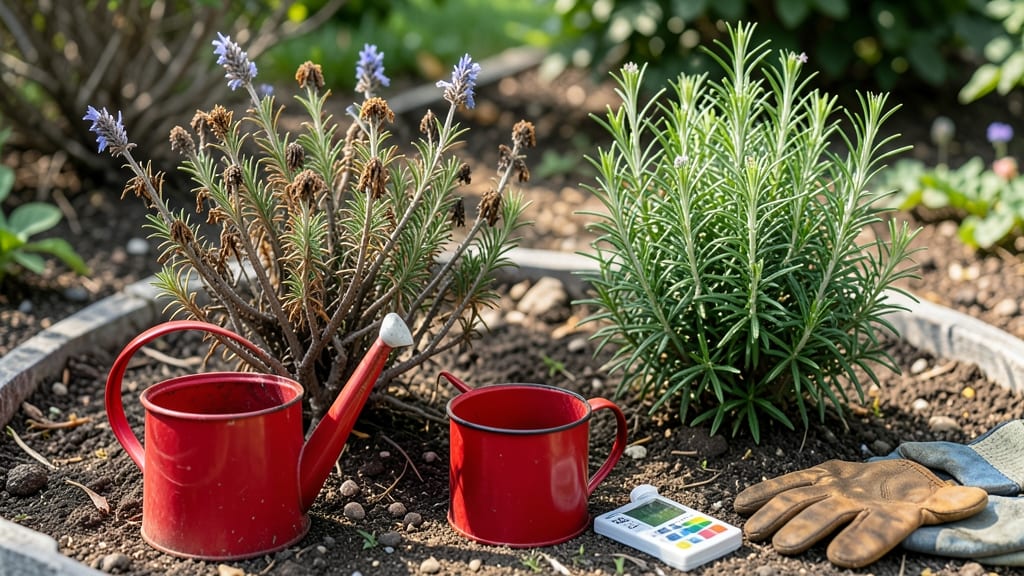
Your rosemary bush turning brown isn’t a death sentence—it’s a fixable problem. 💚 I’ve nursed back more than my share of crispy rosemary, and the key is identifying whether it’s thirsty, drowned, bugged, or just stressed. The good news? Most cases respond to simple adjustments within days.
First, check the soil: dry, crumbly soil means underwatering, while soggy, smelly soil means overwatering. Rosemary hates wet feet—it’s a Mediterranean plant that thrives on neglect, not coddling. If pests like spider mites are to blame, you’ll see webbing or tiny specks on the undersides of leaves.
The fix is quick: trim damaged stems, adjust watering, and treat pests with neem oil if needed. Within a week, you’ll see fresh green growth pushing through.
The trick is consistency: water only when the top inch of soil is bone-dry, prune to improve airflow, and keep it in full sun. Once you hit the right balance, your rosemary will bounce back stronger than ever. Prevention is easier than rescue—just mimic its natural habitat.
Plant in well-draining soil, avoid mulch piles against the stems, and water deeply but infrequently. With these tweaks, your rosemary will stay lush and fragrant for years.
Root Causes Of Rosemary Browning
Rosemary is a hardy herb, but even the toughest plants can show signs of distress—like browning leaves—when something’s off. Understanding the why behind your rosemary’s color shift is the first step to revival.
Below, we break down the most common culprits, from environmental stressors to hidden pests, with clear explanations and actionable insights.
Rosemary thrives in dry, well-draining soil—too much moisture suffocates its roots, leading to browning leaves and potential root rot. Here’s why it happens:
- Waterlogged roots cut off oxygen, triggering cellular breakdown in leaves (chlorosis → browning).
- Salt buildup from overwatering or tap water minerals accumulates in the soil, burning root tips and stressing the plant.
- Fungal infections (like Phytophthora) flourish in soggy soil, causing brown patches and wilting.
🔍 How to spot it: Check the soil 2 inches down—if it’s damp, you’re overwatering. Yellowing leaves followed by brown edges are classic signs.
While rosemary hates soggy soil, chronic dehydration is just as damaging. Browning in this case starts at the leaf tips and edges, eventually spreading inward.
- Plasma membrane damage: Cells lose turgor pressure (rigidity) when dehydrated, causing leaf edges to crisp and turn brown.
- Nutrient transport shutdown: Water acts as a conduit for nutrients; without it, rosemary can’t distribute essential minerals like potassium or magnesium.
- Sunburn risk: Wilting leaves are more vulnerable to UV damage, accelerating browning.
🔍 How to spot it: Pull back a leaf—if it feels dry and brittle, or the soil is bone-dry, your rosemary is thirsty. Brown edges with crispy texture? Classic underwatering.
Rosemary is drought-tolerant but hates extremes. Sudden shifts in temperature, humidity, or light can shock the plant into browning.
| Stressor | Effect on Rosemary | Fix It Fast |
|---|---|---|
| Frost or cold drafts | Ice crystals rupture cell walls, causing brown, mushy spots. | Move pots indoors or cover with frost cloth before temps drop below 20°F (-6°C). |
| Scorching sun | Direct midday sun (especially after rain) acts like a magnifying glass, burning leaves. | Provide afternoon shade or use shade cloth (30–50% coverage). |
| Low humidity | Dry air pulls moisture from leaves, leading to edge browning (similar to underwatering). | Mist leaves lightly or place a tray of water nearby (but avoid soggy soil!). |
💡 Pro Tip: Rosemary needs 6+ hours of sun daily but struggles in intense afternoon heat. If your climate is brutal, opt for morning sun + afternoon shade.
Browning can signal a lack of key nutrients, often due to poor soil or over-fertilizing with the wrong mix. Here’s what to watch for:
- Magnesium deficiency (brown patches between leaf veins):
- Why? Magnesium is vital for chlorophyll production. Compacted or alkaline soil locks it out.
- Fix: Amend soil with Epsom salt (1 tbsp/gallon of water) or compost.
- Potassium deficiency (yellowing edges turning brown):
- Why? Potassium regulates water and nutrient flow. Overwatering or sandy soil washes it away.
- Fix: Use a balanced liquid fertilizer (10-10-10) or wood ash (sparingly).
- Iron chlorosis (yellowing between veins, then browning):
- Why? Common in alkaline soils (pH > 7.0), iron becomes unavailable.
- Fix: Lower pH with sulfur or peat moss, or apply chelated iron.
🔍 How to test: Do a soil pH test (ideal range: 6.0–7.0). If your soil is alkaline, amend it gradually—rosemary hates sudden pH changes.
Hidden invaders can silently drain your rosemary, causing browning as a secondary effect.
- Spider mites or aphids:
- Symptoms: Sticky residue (honeydew), tiny webs, or brown speckling on undersides of leaves.
- Why? These pests pierce cells, causing dehydration and browning.
- Fix: Spray with neem oil or introduce ladybugs.
- Root rot (Phytophthora or Fusarium):
- Symptoms: Mushy stems at the base, wilting despite moist soil, then browning leaves.
- Why? Fungal spores thrive in overwatered, poorly drained soil.
- Fix: Trim affected roots, repot in sterile, gritty soil, and avoid watering until soil dries completely.
- Bacterial leaf spot:
- Symptoms: Dark brown spots with yellow halos, often on older leaves.
- Why? Bacteria (Xanthomonas spp.) spread via splashing water or tools.
- Fix: Prune infected leaves, sterilize pruners with rubbing alcohol, and improve airflow.
Too much of a good thing—whether fertilizer, herbicides, or even salt—can scorch rosemary leaves.
- Fertilizer burn:
- Signs: Brown, crispy edges or tips, often paired with yellowing.
- Why? Excess nitrogen or salts disrupt cell function, causing osmotic shock.
- Fix: Flush soil with water (3x the pot’s volume) to leach out salts. Switch to a low-nitrogen fertilizer (like 5-5-5).
- Herbicide drift or salt spray:
- Signs: Sudden browning on one side of the plant (where spray hit).
- Why? Glyphosate or road salt can linger in soil or air.
- Fix: Remove contaminated soil, rinse leaves with water, and monitor for recovery.
Not all browning is a crisis—sometimes, it’s just natural senescence (aging). Older rosemary stems and leaves will yellow and brown as they die back.
- How to tell: Browning starts at the base of stems or on inner leaves (not new growth).
- What to do: Prune back 1/3 of the plant annually in early spring to encourage fresh, green growth. Avoid removing all old growth at once—it protects new shoots from cold snaps.
💡 Key Takeaway: Browning in rosemary is almost always a distress signal—whether from water issues, nutrient gaps, or pests. The fix starts with identifying the pattern (edges vs. center, new vs. old leaves) and correcting the root cause. Next up: 3 actionable fixes to revive your rosemary!
Revive Your Rosemary Now
When your rosemary bush starts turning brown, it’s often a sign that something isn’t quite right—but the good news is, most issues can be fixed with simple adjustments.
Below, we’ve mapped out practical solutions tailored to the most common causes, along with prevention tips to keep your rosemary lush and green. Let’s get your herb garden back in tip-top shape!
If your rosemary’s leaves are turning brown and mushy, root rot is likely the culprit. Rosemary thrives in well-draining soil and hates soggy roots.
How to Fix It:
✅ 🔥 Stop Watering Immediately
- Let the soil dry out completely before watering again. Stick your finger 1-2 inches deep—if it’s damp, wait.
✅ 👨🍳 Repot in Fresh, Dry Soil
- Gently remove the plant and trim away any brown, mushy roots with clean scissors.
- Use a fast-draining mix (like cactus or succulent soil) and a pot with drainage holes.
✅ 🌡️ Adjust Watering Habits
- Water only when the top 1-2 inches of soil are bone-dry (usually once every 1-2 weeks, depending on climate).
- Pro Tip: 💡 If you’re unsure, underwater slightly—rosemary is drought-tolerant!
Prevent Future Issues:
- ✨ Use terracotta pots (they dry out faster than plastic).
- 🎯 Avoid mulching heavily—rosemary doesn’t need extra moisture retention.
- 🔥 If outdoors, plant in a raised bed to prevent water pooling.
Brown, crispy edges or bleached leaves often mean your rosemary is sunburned or heat-stressed, especially in hot climates.
How to Fix It:
✅ 🍳 Provide Afternoon Shade
- Move potted rosemary to a spot with morning sun and afternoon shade (or use a light shade cloth if outdoors).
- If indoors, place it near a bright, east-facing window (avoid harsh southern exposure).
✅ 🥘 Increase Humidity (Gently)
- Mist the leaves lightly in the morning (but avoid wetting the soil).
- Place a pebble tray with water nearby (not touching the pot) to add moisture to the air.
✅ 🔪 Trim Damaged Foliage
- Snip off crispy, brown tips to encourage new growth.
Prevent Future Issues:
- 💡 Water deeply in extreme heat (but still let soil dry between waterings).
- 🌡️ Avoid fertilizing in peak summer—it stresses the plant.
- ✨ Use reflective mulch (like white gravel) to reduce soil heat.
Brown spots, blackened stems, or sticky residue could mean powdery mildew, root rot, or pests (like spider mites).
How to Fix It:
✅ 🔥 Identify the Problem First
- Fungal disease? Look for white powder (mildew) or black spots.
- Pests? Check undersides of leaves for tiny webs or bugs.
✅ 👨🍳 Treat Fungal Issues
- Spray with neem oil (1 tsp per quart of water) every 7-10 days until gone.
- Improve airflow by spacing plants apart or pruning nearby foliage.
✅ 🥘 Combat Pests Naturally
- Spider mites? Wipe leaves with soapy water (1 tsp mild soap per quart of water).
- Aphids? Blast them off with a strong spray of water.
✅ 🔪 Prune Infected Areas
- Cut off severely damaged stems with sterilized scissors to prevent spread.
Prevent Future Issues:
- 💡 Water at the base (avoid wetting leaves to prevent mildew).
- 🌡️ Space plants 12+ inches apart for better airflow.
- ✨ Inspect new plants before bringing them home (quarantine if needed).
No matter the issue, these quick fixes can help your rosemary bounce back:
- 🔥 Prune Back 1/3 of the Plant – Encourages new, healthy growth. - 🥘 Feed with Diluted Fish Emulsion – Use half-strength to avoid burning roots. - 🌡️ Move to a Cooler Spot – If indoors, keep it away from heat vents or direct sunlight. - ✨ Be Patient – Rosemary is tough!
New growth should appear in 2-4 weeks.
Final Thought: 💡 Most brown rosemary can be saved with the right care—just diagnose the issue, act fast, and adjust your habits. Before you know it, you’ll have a vibrant, fragrant bush ready for cooking (or gifting to herb-loving friends)! 🌿✨
Frequently asked questions
Why are my rosemary leaves turning brown at the tips first?
Brown tips usually signal underwatering or low humidity. Rosemary stores water in its woody stems, so it can survive dry spells, but when leaf edges crisp and brown, it means cells are losing moisture faster than they can absorb it. Check soil moisture 1-2 inches deep—if bone-dry, water deeply but infrequently. For indoor plants, try a pebble tray with water to boost humidity without soggy soil.
Can I save rosemary that's completely brown and woody?
Not always—but don't prune it all! Healthy rosemary grows from the base of stems, so leave 1-2 inches of green growth near the soil. Cut back dead stems to encourage new shoots. If the entire plant is brown and mushy, it may be beyond saving, but often the roots are still viable. Try repotting in fresh, gritty soil and see if new growth emerges.
How often should I water rosemary to prevent browning?
Water only when the top 1-2 inches of soil are completely dry—typically every 1-2 weeks in warm climates, less often in cooler months. Rosemary thrives on neglect! Overwatering causes root rot (browning + mushy stems), while underwatering causes crispy edges. Stick your finger in the soil—if it feels damp, wait. Terracotta pots help prevent overwatering by drying out faster.
What's the difference between sunburn and nutrient deficiency browning?
Sunburned rosemary shows bleached or crispy brown patches on leaves exposed to harsh light, often on one side of the plant. Nutrient deficiency browning appears as yellowing between veins (magnesium) or brown edges (potassium), affecting older leaves first. For sunburn, provide afternoon shade; for deficiencies, amend soil with Epsom salt (magnesium) or wood ash (potassium). Test soil pH—ideal range is 6.0-7.0.
Is it safe to prune brown leaves from my rosemary?
Yes! Pruning encourages new, healthy growth and improves airflow. Use sterilized scissors to snip off brown, crispy, or diseased stems at the base. Never remove more than 1/3 of the plant at once, and avoid cutting into woody stems. The best time to prune is early spring before new growth begins. This also helps shape your rosemary bush for better yield.