
Diseases
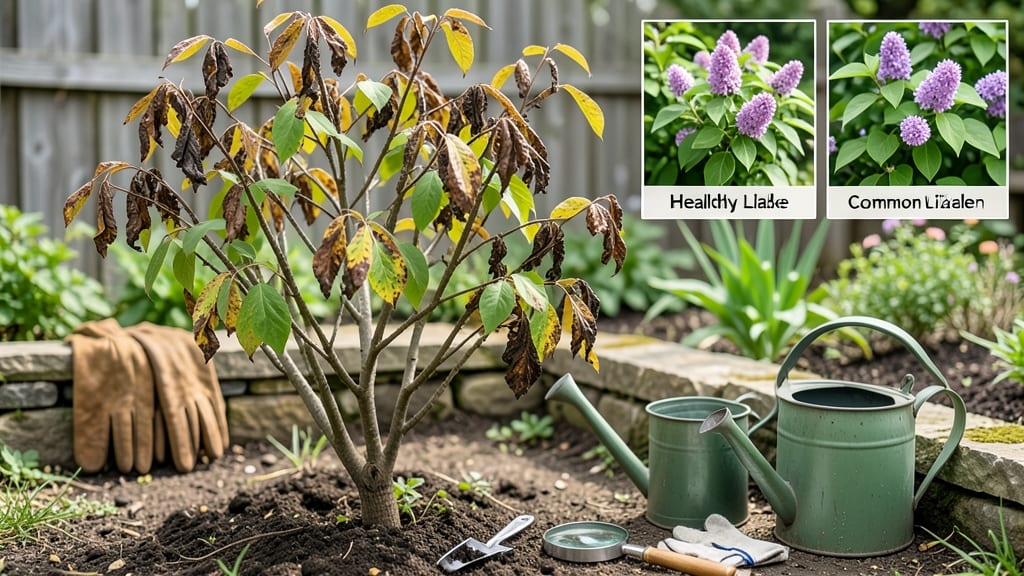
A single lilac bush turning brown ruins the whole spring show. 🌿 I’ve seen this happen after years of perfect blooms—one season of crispy edges and you’re left wondering what went wrong. The good news? Most causes have simple fixes, and early action makes all the difference.
Overwatering or underwatering are the top culprits, but don’t overlook pests like borers or fungal diseases like powdery mildew. My neighbor’s lilacs turned brown last summer because of a hidden borer infestation—she didn’t notice until the damage was done.
The key is checking the roots, leaves, and stems for clues before jumping to conclusions.
With the right approach, you’ll see fresh green growth in just a few weeks. Prune dead branches, adjust your watering schedule, and apply a light fungicide if needed. The first step is figuring out what’s stressing your plant—then it’s smooth sailing from there.
Works for both established bushes and younger plants, and the fixes apply whether your lilac is in full sun or partial shade. Let’s get your bush back to its blooming best!
Root Causes Behind Browning Lilacs
When your once-vibrant lilac bush starts turning brown, it’s often a cry for help from the plant itself. Understanding the why behind the discoloration is the first step to bringing it back to life.
Below, we break down the most common culprits—each with a clear scientific explanation and actionable insights to diagnose the issue.
Lilacs are hardy but not drought-proof or waterlogged-tolerant. Browning leaves or stems often signal hydration imbalances, which disrupt the plant’s cellular processes.
- Overwatering: Soggy soil cuts off oxygen, leading to root asphyxiation. Without oxygen, roots can’t absorb nutrients, causing leaves to turn brown and wilt. Test: Stick your finger 2 inches into the soil—if it’s damp, scale back watering.
- Underwatering: Lilacs need consistent moisture, especially during blooming. Drought stress triggers wilting and necrosis (dead tissue) as cells collapse from dehydration. Sign: Crispy, papery edges on leaves.
- Poor Drainage: Compacted or clay-heavy soil traps excess water, promoting fungal root rot. Brown, mushy stems at the base are a red flag. Fix: Amend soil with compost or sand to improve aeration.
💡 Pro Tip: Water deeply once a week (or more in extreme heat) and ensure the soil drains within 6–12 hours after watering. Mulch around the base to retain moisture without suffocating roots.
Lilacs thrive in full sun, but intense afternoon heat can scorch leaves, causing them to brown and crisp. This is especially common in young plants or those acclimating to a new location.
- Symptoms:
- Brown, papery patches on upper leaf surfaces (sun-exposed side).
- Leaves may curl or drop prematurely.
- Why It Happens: Excessive sunlight triggers oxidative stress, breaking down chlorophyll and causing cell death. Lilacs native to temperate climates aren’t equipped for sudden heat spikes (e.g., >90°F).
- Quick Fixes:
- Provide afternoon shade (use a sheer cloth or move the plant temporarily).
- Water early in the morning to cool leaves and soil.
✨ Expert Note: If your lilac is in a container, ensure it’s placed where it gets morning sun + afternoon shade. Containers heat up faster and can cook roots.
Brown spots, powdery coatings, or mushy stems often point to fungal pathogens. These thrive in humid, stagnant conditions and can spread rapidly if left unchecked.
| Fungus | Symptoms | Cause |
|---|---|---|
| Powdery Mildew | White, powdery residue on leaves that turns brown and crispy. Leaves may yellow or drop. | High humidity + poor air circulation. Common in dense plantings or after rainy spells. |
| Botrytis Blight | Brown, shriveled leaves with gray mold on undersides. Often starts at the base of stems. | Wet foliage + cool nights (ideal for spore germination). Prune infected branches immediately. |
| Root Rot (Phytophthora) | Brown, mushy stems at the soil line. Leaves wilt even when soil is wet. | Overwatering + compacted, waterlogged soil. Spreads via contaminated tools or shoes. |
🔥 Action Plan:
- Remove all infected leaves/stems and dispose of them in the trash (not compost).
- Apply copper fungicide or a baking soda spray (1 tsp baking soda + 1 quart water + a drop of dish soap) every 7–10 days.
- Improve air circulation by thinning out nearby plants or pruning dense branches.
While less obvious than fungal spots, pests like spider mites, aphids, or scale insects drain lilacs of nutrients, causing leaves to turn brown and stunted. Their damage often starts as yellowing between veins before progressing to necrosis.
- Spider Mites:
- Signs: Tiny webs on undersides of leaves + brown, speckled foliage.
- Why It Happens: These pests thrive in dry, hot conditions and pierce cells to suck out sap, leading to chlorosis (yellowing) and browning.
- Aphids:
- Signs: Sticky residue (honeydew) on leaves, followed by sooty mold (black fungal growth). Leaves may curl or drop.
- Why It Happens: Aphids cluster on new growth and excrete honeydew, which attracts mold and blocks sunlight.
🎯 Pest Control Tips:
- Blast pests off with a strong spray of water (early morning).
- Use neem oil (mix 1 tbsp neem oil + 1 tsp mild soap + 1 quart water) and spray every 5–7 days.
- Introduce beneficial insects like ladybugs or lacewings to your garden.
Brown, yellow-edged leaves or stunted growth may signal a lack of essential nutrients. Lilacs are heavy feeders and need balanced care to flourish.
| Deficiency | Visual Clues | Solution | ||||||||||||||||||||||||
|---|---|---|---|---|---|---|---|---|---|---|---|---|---|---|---|---|---|---|---|---|---|---|---|---|---|---|
| Nitrogen (N) | Overall yellowing (chlorosis) of older leaves, followed by browning. | Apply a balanced fertilizer (10-10-10) in early spring. Compost or fish emulsion works too.
Revive Your Lilac Bush NaturallyWhen your lilac bush starts turning brown, it’s often a sign of stress—but don’t panic! With the right care, you can nurse it back to health. Below, we’ve mapped out practical, step-by-step solutions for the most common causes of browning lilacs, plus tips to keep them lush and vibrant. If your lilac’s leaves are yellowing or wilting with brown edges, root rot from overwatering could be the culprit. How to Fix It: ✅ 🔥 Step 1: Check the Soil Moisture
✅ 🍳 Step 2: Adjust Your Watering Routine
✅ 👨🍳 Step 3: Improve Drainage (If Needed)
✅ 🌡️ Prevention Tip:
Brown, crispy leaves or dry stems? Your lilac might be parched or struggling with heatwave stress. How to Fix It: ✅ 💡 Step 1: Deep Watering Revival
✅ 🎯 Step 2: Provide Shade (Temporarily)
✅ ✨ Step 3: Trim Damaged Foliage
✅ 🔥 Prevention Tip:
Brown spots, powdery residue, or chewed leaves? Fungal infections (like powdery mildew) or pests (like spider mites) could be the issue. How to Fix It: ✅ 🔪 Step 1: Identify the Problem
✅ 🌿 Step 2: Treat Fungal Issues
✅ 🐞 Step 3: Combat Pests
✅ 💪 Step 4: Prune for Better Airflow
If browning happened suddenly in spring, a late frost may have shocked the plant. How to Fix It: ✅ 🌡️ Step 1: Wait and Watch
✅ 🌱 Step 2: Protect Next Year
✅ ⏰ Step 3: Fertilize for Recovery
For a fast reference, here’s how to diagnose and treat:
Final Thought: Most lilacs bounce back with just a little TLC—focus on water, airflow, and timely care, and your bush will be blooming beautifully in no time! 🌸 Frequently asked questions
1
Why are my lilac leaves turning brown only on the edges?This is often a sign of underwatering or heat stress. Lilacs need consistent moisture, especially in hot weather. Check the soil—if it's dry 2 inches down, water deeply until moisture reaches 6 inches. For extreme heat, provide afternoon shade and water in the early morning to prevent evaporation.
2
What does powdery white residue on my lilac leaves mean?That’s powdery mildew, a common fungal disease caused by high humidity and poor air circulation. Remove infected leaves immediately and treat with a baking soda spray (1 tsp baking soda + 1 quart water + a drop of dish soap). Space out nearby plants to improve airflow and avoid watering leaves to prevent spread.
3
Can I prune my lilac bush when it's turning brown?Only prune dead or completely brown branches—never healthy growth. Wait until late winter or early spring to do any major pruning. If the browning is from disease or pests, remove infected parts first, then sterilize your pruners with rubbing alcohol to prevent spreading issues.
4
How do I know if my lilac has root rot?Look for mushy, brown stems at the base and leaves that wilt even when the soil is wet. Gently dig around the roots—healthy roots are firm and white, while rotten ones are soft, dark, and smell foul. If confirmed, improve drainage by amending soil with compost or sand and reduce watering frequency.
5
Will my lilac recover if I fix the problem now?Yes! Lilacs are resilient. If you catch issues early (like fungal diseases or pests), your bush can recover fully in 4-6 weeks with proper care. For severe cases (like root rot), recovery may take longer, but consistent watering adjustments and soil improvements will help. The key is acting fast and addressing the root cause. |