
Shrubs
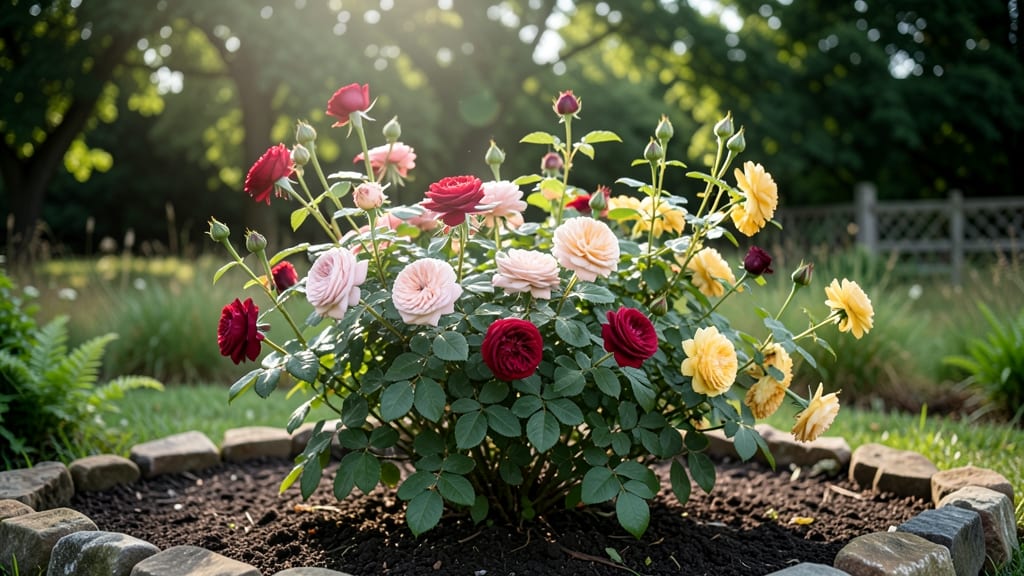
Your rose bush maintenance care won’t just survive winter—they’ll come back stronger with three strategic trims a year. ✂️ I learned this the hard way after my bushes spent three seasons looking like overgrown weeds, despite my best efforts.
The secret isn't complicated: timing your cuts to match the plant's natural growth cycle, paired with consistent watering and soil care, turns roses from finicky divas into reliable bloomers.
Most gardeners mess up by pruning at the wrong time or cutting too aggressively. You'll focus on three key trims: a light cleanup in early spring, a major shaping cut after the first blooms, and a winter prep trim to protect against frost.
Each step takes less than 30 minutes with the right tools—a sharp pair of bypass pruners, rubbing alcohol for sterilizing cuts, and a bucket for clippings.
The payoff is vibrant green canes that produce flowers all season, not just in one big flush. You'll see fewer diseases, more pollinators, and bushes that look like they belong in a botanical garden—not your neighbor's yard.
The best part? These same principles work for hybrid teas, floribundas, and even old garden roses.
Whether you're dealing with black spot, floppy canes, or just tired of deadheading every other day, this system simplifies maintenance. Let's get those roses thriving year-round without the guesswork.
📚 In This Guide
- What you need
- Instructions
- Tips and common mistakes
- Wrapping up and next steps
What you need
- ● Bypass pruners (sharp, clean, and sterilized between uses) – 1 pair (for clean cuts on stems up to ½ inch thick).
- ● Loppers (long-handled, bypass or anvil type) – 1 pair (for thicker stems up to 1.5 inches).
- ○ Pruning saw (for stubborn, woody stems) – 1 (optional but handy for mature bushes).
- ● Gloves (heavy-duty, thorn-resistant) – 1 pair (your hands will thank you!).
- ● Disinfectant (70% isopropyl alcohol or bleach solution) – small bottle (to sterilize tools and prevent disease).
- ● Garden hose or watering can – 1 (for post-pruning hydration).
- ○ Pruning sealant (optional, for large cuts) – small tube (helps prevent disease entry).
- ● Organic mulch (shredded bark, straw, or compost) – 2–3 inches layer (retains moisture and suppresses weeds).
- ● Balanced fertilizer (10-10-10 or rose-specific) – 1 bag (apply in early spring and after major trims).
- ● Epsom salt (magnesium sulfate) – small bag (boosts green growth; mix 1 tbsp per gallon of water).
- ● Compost or worm castings – 1–2 gallons (improves soil structure and nutrients).
- ● Fungicide (copper-based or neem oil) – 1 bottle (prevents black spot and powdery mildew).
- ● ☑️ Weather check: Prune on a dry, cloudy day (avoid extreme heat or frost).
- ● ☑️ Tool sharpening: Dull blades tear stems—hone pruners before use.
- ● ☑️ Clean workspace: Lay down tarps or cardboard to collect debris (easy cleanup!).
- ● ☑️ Safety first: Wear long sleeves and closed-toe shoes (thorns are sneaky!).
Step-by-Step instructions for rose bush maintenance care
Here's how I keep my roses thriving year-round with just three strategic trims.
✂️ Step 1: Perform the Late Winter Cleanup Trim
Timing is everything—wait until the last hard frost has passed (around 2-3 weeks before new growth begins). You'll know it's time when your forsythia bushes bloom nearby. This trim removes dead, diseased, or crossing branches while shaping the bush for spring growth.
Start by removing any canes that are completely blackened or mushy at the base—these won't recover. Next, cut out crossing branches that rub against each other, creating wounds where disease can enter. Use clean, sharp pruners and make cuts at a 45-degree angle, about ¼ inch above an outward-facing bud. This ensures water runs off the cut and new growth emerges outward.
Here's the thing—don't overdo it. I always leave at least 3-5 strong canes per bush. Removing too much stresses the plant and delays flowering. After trimming, rake up all debris and discard it far from the bush to prevent fungal spores from reinfecting.
☀️ Step 2: Light Summer Pruning for Airflow and Flowering
This trim happens around late June to early July, just after your roses finish their first major flush of blooms. The goal is to improve airflow and encourage a second round of flowers. Start by removing any spent blooms (deadheading) to redirect the plant's energy into new growth rather than seed production.
Next, look for weak, spindly canes growing inward or crossing others. These compete with your healthy canes for nutrients. Cut them back to the nearest strong outward bud. For canes that are overly crowded, thin them out completely—never leave a stub. You'll see the difference immediately: more open centers and fewer disease issues.
I also check for suckers (shoots growing from the base or roots) and remove them entirely. These divert energy from your established canes. After pruning, give the bush a light feeding with balanced fertilizer (10-10-10) and water deeply to help it recover.
⏰ Step 3: Final Fall Trim to Prepare for Winter
Schedule this trim after the first hard frost when the foliage has blackened but before temperatures drop below 20°F. This final cut removes any remaining dead leaves and weak growth that could harbor pests or disease over winter. Start by stripping all leaves from the canes—you can do this by hand or with pruners.
Next, shorten last year's canes by about ⅓ to reduce the plant's size and make winter protection easier. Cut back to a strong outward bud or a healthy side branch. Avoid cutting into old wood (gray or bare stems)—this removes the plant's energy reserves. After trimming, apply a 3-inch layer of mulch around the base, keeping it 6 inches away from the stem to prevent rot.
Real talk: this is the moment that matters for winter survival. I've seen roses thrive through harsh winters because of this final trim and mulch layer. It's not just about cutting—it's about setting your roses up to wake up strong in spring.
Tips & tricks for perfect rose bush maintenance
These are the little details that make all the difference when keeping your roses healthy and blooming beautifully.
Timing is Everything: The late winter cleanup trim should happen right when forsythia bushes bloom nearby—this natural indicator ensures you're cutting at the perfect moment to encourage new growth. I've learned the hard way that cutting too early can expose tender buds to late frosts, while waiting too long means you're removing potential flowering canes. Trust me, this timing window is your golden opportunity for a strong spring start.
The Technique That Changed Everything: When making those 45-degree cuts in Step 1, imagine you're directing water away from the wound. The slight angle ensures rainwater runs off rather than pooling at the cut, which dramatically reduces the risk of fungal infections. I always test my pruners' sharpness first—dull blades crush stems instead of making clean cuts, inviting disease. And remember, those outward-facing buds? They're your secret weapon for directing new growth away from the center of the bush.
Seasonal Strategy: In Step 3, when you're applying that 3-inch layer of mulch, think of it as insulation for your roses' roots. The mulch should extend outward from the stem but stay 6 inches away—this creates the perfect microclimate. I've seen roses survive winters as cold as 20°F because of this simple layer. Pro tip: Use organic mulch like straw or shredded leaves, which will break down and add nutrients to the soil as they decompose.
Common Mistake to Avoid: Don't skip the deadheading in Step 2—those spent blooms might look pretty, but they're actually sapping energy that could be going toward new flowers. I once left a bush unpruned for an entire season, and it produced half as many blooms the next year. The key is to remove blooms just as they fade, leaving a small portion of stem below the flower head. This redirecting of energy is what gives you that second flush of blooms that everyone loves.
Pro Tips for Rose Bush Maintenance Care
- These are the little details that make all the difference when keeping your roses healthy and blooming beautifully.
- Timing is Everything: The late winter cleanup trim should happen right when forsythia bushes bloom nearby—this natural indicator ensures you're cutting at the perfect moment to encourage new growth.
- The Technique That Changed Everything: When making those 45-degree cuts in Step 1, imagine you're directing water away from the wound.
Frequently asked questions
Got questions about keeping your rose bushes thriving? Here are answers to the most common ones—so you can enjoy lush blooms all year!
When is the best time to trim roses?
The ideal times are early spring (just before new growth starts), mid-summer (after the first flush of blooms), and late fall (to clean up dead wood). Avoid trimming when roses are dormant in winter or during extreme heat—this can stress the plant. Pro tip: Always use clean, sharp shears to prevent disease!
Do I need to protect roses in winter?
In cold climates (Zones 5-7 and below), yes! Mound soil or mulch around the base (up to 12 inches) to insulate roots. For tender varieties, wrap canes loosely with burlap or use rose cones. In milder zones, minimal protection (like a light mulch) may suffice. Pro tip: Wait until temps drop below freezing before covering—early frost can still harm buds!
Why are my rose leaves turning yellow or falling off?
Yellow leaves often signal overwatering, nutrient deficiency, or pests (like spider mites or aphids). Check soil moisture—roses prefer well-draining soil—and inspect undersides of leaves for pests. Fix it: Adjust watering, fertilize with rose-specific food, or spray with neem oil. Pro tip: Yellowing on older leaves is normal, but new growth should stay green!
Can I prune roses too much?
Yes! Over-pruning removes too much foliage, reducing energy for blooms and exposing canes to disease. Never cut more than 1/3 of the plant’s height in one session. Focus on dead, crossing, or weak stems—aim to leave 3-5 healthy buds per stem. Pro tip: Step back and "see the skeleton" of your rose—this helps gauge what to remove!
What’s the easiest rose variety for beginners?
Start with hardy, low-maintenance varieties like:
- Knock Out® Roses – Disease-resistant, blooms all season, minimal pruning.
- David Austin English Roses – Fragrant, repeat-blooming, and forgiving.
- Dr. Huey® Roses – Drought-tolerant and pest-resistant.
These thrive with basic care and reward you with stunning blooms!
Wrapping up and next steps
Caring for your rose bushes doesn’t have to be overwhelming—just a little consistent love and the right timing can keep them thriving year-round! 🌹 With three key trims (early spring, late spring, and post-bloom), proper pruning tools, and a watchful eye for pests or disease, your roses will reward you with stunning blooms and lush foliage.
Remember, every snip is a step toward healthier, happier plants!
Ready to see your garden flourish? Grab your shears and start trimming today! For extra confidence, revisit our FAQ section or explore seasonal care guides to keep your roses in peak condition all year.