
Shrubs
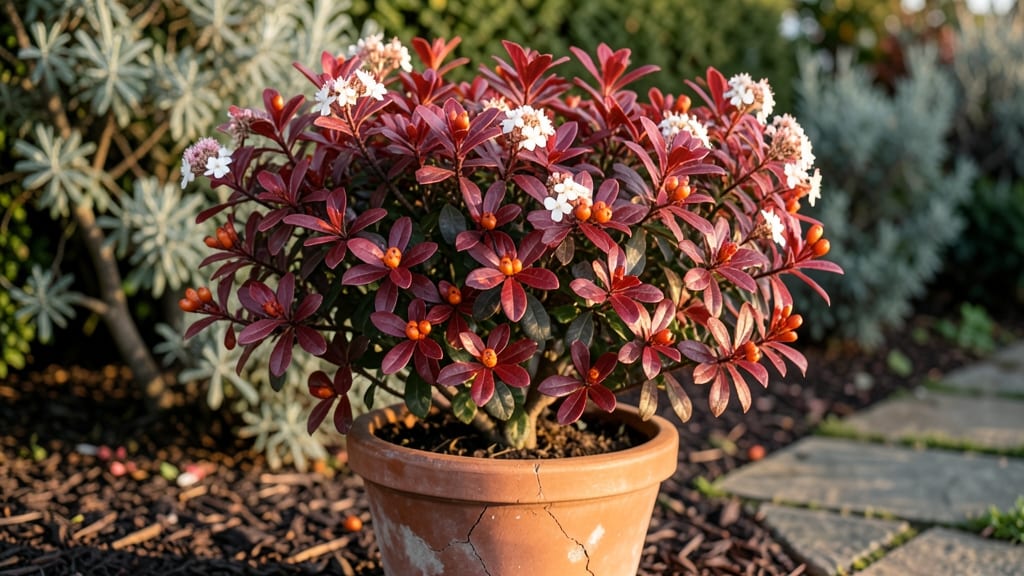
Your garden just got a bold new star with a red-leafed bush that blooms all year. 🌿 These showstopping shrubs—like cotoneaster or euonymus—bring vibrant color and fragrance to any space with minimal effort. The key? Three simple pruning cuts that keep them lush and flowering.
Most people overlook how easy these shrubs are to grow. They thrive in full sun to partial shade, tolerate poor soil, and even handle drought once established. My favorite, Cotoneaster dammeri, stays compact at just 3-4 feet tall while bursting with red berries and tiny white flowers year-round.
With the right placement, you’ll enjoy fragrant blooms from spring through winter, plus foliage that turns fiery red in fall. The best part? These bushes need zero special care—just water occasionally and trim back leggy growth in late winter.
Whether you want a privacy screen, foundation planting, or a container specimen, red-leafed bushes deliver dramatic color with almost no work. Let’s get yours growing!
📚 In This Guide
- What you need
- Instructions
- Tips and common mistakes
- Wrapping up and next steps
What you need
- ● Red-leafed bush (e.g., Pyracantha, Cotoneaster, or Berberis) – Choose a healthy, disease-free specimen (1-3 plants, depending on desired coverage).
- ● Well-draining potting mix or garden soil – 5-10 gallons, amended with compost (20-30% organic matter).
- ● Organic mulch (e.g., wood chips or bark) – 2-3 inches to retain moisture and suppress weeds.
- ● Slow-release fertilizer (10-10-10 or balanced formula) – 1-2 pounds per plant for planting season.
- ● Garden trowel or spade – For planting and soil prep.
- ● Pruning shears (bypass or anvil) – Sharp, sterilized tools for trims (1 pair).
- ● Gloves (garden or heavy-duty) – To protect hands from thorns and soil.
- ● Watering can or hose with nozzle – For deep, consistent watering.
- ○ Measuring tape or ruler – To mark pruning cuts (optional but helpful).
- ● Epsom salt (magnesium sulfate) – 1 tbsp per gallon of water for foliar spray (boosts red leaf color).
- ● Plant support (stakes or cages) – If your bush is young or top-heavy.
- ● Pest control (neem oil or insecticidal soap) – For aphids or spider mites.
- ● Decorative stones or edging – To define garden beds and enhance aesthetics.
How to maintain a fragrant red-leafed bush for year-round blooms
Here's the straightforward approach I use to keep my red-leafed shrubs blooming beautifully with minimal effort.
🌿 Step 1: Select the Right Variety for Your Climate
Choose a red-leafed bush suited to your USDA hardiness zone—popular varieties like Cotinus coggygria (smokebush) or Berberis thunbergii (Japanese barberry) thrive in zones 4-8. I always check the plant tag for mature size and sun requirements, as these determine placement. The foliage color intensifies in full sun, so avoid shady spots where leaves may revert to green.
For best fragrance, opt for cultivars like 'Royal Purple' smokebush or 'Helmond Pillar' barberry, both known for their aromatic foliage. These varieties also handle pruning well, which is key for maintaining shape and encouraging blooms. Dig a hole twice as wide as the root ball but only as deep, then backfill with native soil mixed with compost to encourage root spread.
✂️ Step 2: Perform the First Light Pruning in Early Spring
Wait until after the last frost when new growth begins—you'll see fresh buds forming at the stem tips. Remove any dead, crossing, or weak branches first, cutting back to the base or to an outward-facing bud. This opens the center of the bush for airflow and sunlight penetration, which prevents fungal issues and encourages more blooms.
For shaping, make cuts just above a leaf node at a 45-degree angle to prevent water pooling. Avoid cutting into old wood, as red-leafed bushes bloom on new growth. If your bush looks overgrown, reduce branches by one-third total to maintain vigor. I always step back after pruning to check for balance—uneven cuts show immediately.
☀️ Step 3: Maintain Mid-Season with Strategic Trims
After flowering, give your bush a second light trim to remove spent blooms and any leggy growth. Cut back to just above a set of leaves where new shoots will emerge. This encourages a bushier habit and prepares the plant for fall blooms. I use sharp, clean pruners to make precise cuts—dull blades tear stems and invite disease.
Watch for new growth emerging from the base; these are your plant's way of thickening up for winter. Avoid heavy pruning now, as the plant needs to store energy for next year. Water deeply after trimming to help roots recover, especially if your area experiences dry spells. A 1-inch layer of mulch around the base retains moisture and regulates soil temperature.
⏰ Step 4: Prepare for Winter with Minimal Pruning
In late fall, remove only dead or damaged branches—never prune into old wood at this stage. The goal is to protect the plant's structure while allowing it to rest. I leave the foliage intact until early spring, as it provides some winter protection. If your bush has berries or seed heads that add winter interest, leave those until they naturally fall.
Apply a 3-inch layer of mulch after the ground freezes to insulate roots, then remove it in early spring before new growth begins. This prevents soil heaving and protects against extreme temperature fluctuations. In zones 4-5, I add a burlap wrap around the trunk for extra protection during harsh winters. The key is to keep the plant's energy focused on root development, not regrowing lost foliage.
🌱 Step 5: Encourage Year-Round Blooms with Seasonal Care
Feed your red-leafed bush in early spring with a balanced 10-10-10 fertilizer spread evenly over the root zone. Water thoroughly after applying to help nutrients penetrate the soil. Repeat in midsummer with a low-nitrogen, high-phosphorus fertilizer to promote flowering. I always water deeply before fertilizing to prevent root burn.
Monitor for pests like spider mites or scale, which love stressed plants. A strong jet of water usually removes light infestations, but severe cases may require neem oil. The more you maintain healthy growth through proper pruning and feeding, the fewer pest problems you'll encounter. With consistent care, your bush will reward you with vibrant foliage and fragrant blooms from spring through fall.
Tips & tricks for perfect red leafed bush maintenance
These simple yet game-changing strategies will help you transform your red-leafed bush into a fragrant, year-round beauty with minimal effort.
Variety Selection Matters: When choosing your red-leafed bush, pay close attention to the plant tag for specific cultivar details. 'Royal Purple' smokebush and 'Helmond Pillar' barberry aren't just pretty names—they're specifically bred for their intense fragrance and vibrant foliage. I've found that these cultivars handle pruning better and maintain their rich color even in partial shade, though full sun always produces the most dramatic results. The key is matching your climate zone with the right variety—don't just grab the first pretty plant you see!
Pruning Precision: In Step 2, when you're making those 45-degree angle cuts just above leaf nodes, here's what nobody tells you: the angle isn't just about aesthetics—it's about water runoff. A proper angle prevents water from pooling at the cut, which could lead to rot or fungal issues. And remember, that one-third reduction in overgrown branches? That's not arbitrary—it's based on plant physiology. Red-leafed bushes can only handle so much stress at once, and cutting back too much sends them into survival mode instead of bloom mode.
Seasonal Timing: The timing of your pruning is everything. That first spring pruning right after the last frost isn't just about removing dead wood—it's about giving your bush the green light to start growing when conditions are optimal. The mid-season trim after flowering isn't just about cleanup; it's about preparing the plant for its fall bloom cycle. And that minimal winter pruning? It's not neglect—it's strategic protection. Each cut should have a purpose tied to the plant's natural growth rhythm, not just what looks good in the moment.
Mulching Magic: That 1-inch layer of mulch in Step 3 and the 3-inch winter layer aren't just random measurements—they're about creating the right microclimate. The summer layer keeps roots cool and retains moisture, while the winter layer acts like a blanket, protecting against temperature swings. I've seen bushes with proper mulching maintain their vibrant color through winter when others in the same neighborhood fade to dull green. And always remove that winter mulch in early spring—don't let it sit too long, or you'll smother new growth trying to emerge.
Pro Tips for Red Leafed Bush
- These simple yet game-changing strategies will help you transform your red-leafed bush into a fragrant, year-round beauty with minimal effort.
- Variety Selection Matters: When choosing your red-leafed bush, pay close attention to the plant tag for specific cultivar details.
- Pruning Precision: In Step 2, when you're making those 45-degree angle cuts just above leaf nodes, here's what nobody tells you: the angle isn't just about aesthetics—it's about water runoff.
Frequently asked questions
Got questions about keeping your red-leafed bush vibrant and blooming? You’re in the right place! Here are answers to the most common queries—from care tips to troubleshooting—so you can enjoy those stunning foliage colors all year long.
How often should I trim my red-leafed bush for year-round blooms?
Trim your red-leafed bush 3 times a year: once in early spring to shape it, again after the first flush of blooms to encourage new growth, and a light trim in late summer to prep for winter. Avoid heavy cuts in fall—this can stress the plant before dormancy. Pro tip: Use clean, sharp shears to prevent disease!
Why are the leaves on my red-leafed bush turning brown or yellow?
Brown or yellow leaves usually signal overwatering, underwatering, or nutrient deficiencies. Check the soil—it should be slightly moist but not soggy. If the problem persists, test your soil’s pH (ideal: 5.5–6.5) and fertilize with an acid-loving plant food. Fun fact: Red-leafed bushes like azaleas or pieris often drop leaves in late summer—this is normal!
Can red-leafed bushes survive winter in cold climates?
Most red-leafed bushes (like crape myrtle or pyracantha) are hardy down to USDA Zones 5–9, but young plants or tender varieties may need winter protection. Mulch the base with 2–3 inches of organic matter (like pine straw) and wrap the trunk with burlap if temps drop below 10°F. Pro tip: Avoid heavy pruning in late winter—wait until early spring!
What are some low-maintenance alternatives to red-leafed bushes?
If you want colorful foliage with less upkeep, try these tough shrubs:
- Dwarf ninebark (white/pink blooms, burgundy leaves)
- Boxwood (evergreen, compact, great for hedges)
- Inkberry holly (dark green/red leaves, drought-tolerant)
- Smokebush (striking fall color, thrives in poor soil)
My red-leafed bush isn’t blooming—what’s wrong?
Lack of blooms often means too much shade, over-fertilizing with high-nitrogen food, or improper pruning. Move it to 6+ hours of sunlight daily and use a balanced fertilizer (10-10-10) in early spring. Never prune blooms before they fade—this cuts off next year’s flowers! Bonus: Deadhead spent blooms to encourage more flowers.
When is the best time to plant a red-leafed bush?
Plant in early spring or early fall when temps are mild (50–70°F). Avoid summer heat or winter frosts—both stress young roots. Amend the soil with compost or peat moss for drainage, and water deeply once a week for the first month. Pro tip: Mulch around the base to retain moisture and suppress weeds!
Wrapping up and next steps
Transforming your garden with a red-leafed bush is easier than you think! 🌿 With just three simple trims a year, you’ll enjoy vibrant foliage, fragrant blooms, and a low-maintenance shrub that thrives year-round.
The key is consistency—prune in early spring, mid-summer, and late fall—and watch your bush flourish with minimal effort.
Ready to elevate your outdoor space? Start small: pick one bush to test the trimming techniques, then expand as you gain confidence. Your garden (and neighbors!) will thank you for the stunning, fragrant results. Happy pruning! ✂️