
Shrubs
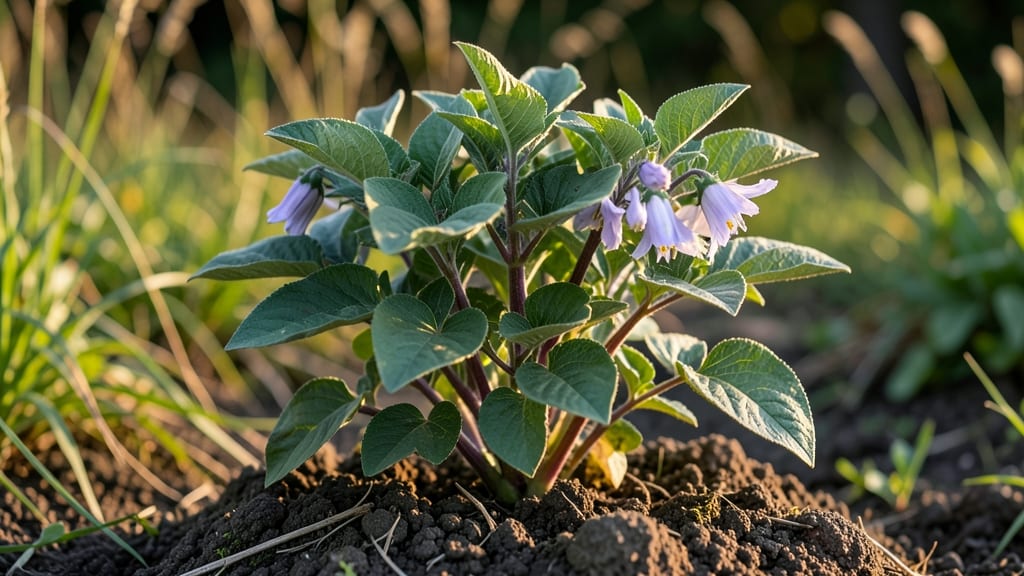
Growing a purple potato bush transforms your garden into a fragrant paradise with its delicate white flowers and velvety foliage. 🌿 I fell in love with this shrub after seeing it climb a trellis in my neighbor's yard, its sweet jasmine-like scent lingering long after sunset.
The key to keeping it blooming all season? Deadheading with precision—it's not just about trimming, but timing it right to encourage more flowers.
This tropical beauty thrives in zones 9-11, where it can grow as a perennial, but even in cooler climates, it makes a stunning container plant that you can bring indoors before frost.
It craves full sun to partial shade and well-draining soil—think sandy loam mixed with compost. Water consistently, keeping the soil moist but never soggy, especially during its first year of establishment.
With the right care, your purple potato bush will reward you with continuous blooms from spring through fall, its fragrant flowers attracting butterflies and hummingbirds.
The secret to its lush growth lies in regular pruning: trim back leggy stems after blooms fade and shape it into a bush or let it climb for a vertical display. The scent alone makes it worth the effort.
For those in colder zones, treat it as an annual or overwinter it in a bright, cool indoor spot. The versatility of this plant means it works as a hedge, climbing vine, or standalone shrub—just give it space to spread its 3-5 foot reach.
Once established, it's surprisingly low-maintenance, making it perfect for both busy gardeners and beginners.
📚 In This Guide
- What you need
- Instructions
- Tips and common mistakes
- Wrapping up and next steps
What you need
- ● Purple potato bush plant: 1-3 mature plants (nursery-grown, 1-2 ft tall, for faster blooms) or
- ● Seeds (5-10 per pot for germination, collected from ripe berries or purchased online)
- ● Well-draining potting mix: 5-10 gallons (sterilized, blend of cactus/succulent mix + perlite for aeration)
- ● Containers (if not planting in-ground): 1-2 large pots (12-18" diameter) with drainage holes or
- ● Garden bed (full sun, 6+ hours/day, with sandy/loamy soil)
- ● Slow-release fertilizer: 1-2 tbsp (balanced 10-10-10 or organic options like worm castings)
- ● Pruning shears: Sharp, sterilized (for deadheading and shaping)
- ● Gloves: Heavy-duty (to protect from thorns and sap)
- ○ Spray bottle: For misting seedlings (optional but helpful in dry climates)
- ● Mulch: 1-2 inches (gravel or organic mulch to retain moisture)
- ● Support stakes: 1-2 bamboo stakes (for leggy plants in containers)
- ● Berries/seeds: If harvesting for propagation (collect when fully ripe and purple-black)
Step-by-step instructions for growing a fragrant purple potato bush
Here's how to cultivate a lush, fragrant purple potato bush that blooms continuously with minimal effort.
🌱 Step 1: Select and Prepare the Planting Site
Choose a location with full sun exposure (6-8 hours daily) and well-draining soil. Purple potato bush thrives in USDA Zones 7-11, but even in cooler climates, it can be grown in containers and overwintered indoors. I always test soil pH before planting—aim for 6.0-7.0.
Amend heavy clay soil with 2-3 inches of compost mixed into the top 12 inches of soil. This improves drainage and provides nutrients for the bush's rapid growth. If planting in containers, use a high-quality potting mix with added perlite for aeration. The roots spread aggressively, so space plants 3-5 feet apart in the ground.
☀️ Step 2: Plant and Establish the Bush
Plant in early spring after the last frost date, when soil temperatures reach 60°F. Dig a hole twice as wide as the root ball but no deeper—this encourages shallow root growth. Place the plant so the top of the root ball sits 1 inch below soil level to prevent stem rot.
Water deeply immediately after planting to settle the soil and eliminate air pockets. Mulch around the base with 2-3 inches of organic mulch to retain moisture and suppress weeds. Avoid piling mulch against the stem, as this can trap moisture and cause rot. You'll know the bush is establishing well when new growth appears within 2-3 weeks.
💧 Step 3: Water and Fertilize for Optimal Growth
Water when the top 2 inches of soil feel dry—typically 1-2 times per week depending on climate. Purple potato bush is drought-tolerant once established, but consistent moisture during the first growing season encourages robust flowering. Water at the base to avoid wetting the foliage, which can promote fungal diseases.
Fertilize lightly in early spring with a balanced 10-10-10 fertilizer at half strength. Over-fertilizing leads to lush foliage but fewer flowers. I avoid fertilizing after mid-summer, as this can stimulate late-season growth that won't harden off before winter. Prune back any leggy growth to encourage bushier, more compact plants.
✂️ Step 4: Deadhead for Continuous Blooms
Deadheading is the key to year-round fragrance. Remove spent blooms by pinching them off just above a set of leaves or a new bud. This redirects the plant's energy into producing more flowers instead of setting seed. I deadhead every 7-10 days during peak bloom season to maintain a tidy, fragrant bush.
Watch for new flower buds forming at the base of old blooms. These are your signal that the plant is responding well to deadheading. If you notice fewer flowers in late summer, prune back the bush by one-third to encourage a second flush of blooms. Avoid heavy pruning after mid-summer, as new growth may not harden off before frost.
🌿 Step 5: Overwinter and Maintain Year-Round Fragrance
In colder climates, cut back the bush to 6-12 inches tall before the first frost. Mulch heavily with 4-6 inches of straw or leaves to insulate the roots. Purple potato bush is semi-evergreen in mild winters, but even in colder zones, it regrows vigorously in spring.
In containers, move the plant indoors before temperatures drop below 40°F. Place it in a bright, cool room (like a garage or sunroom) and reduce watering to once every 2-3 weeks. Resume regular care in spring, and you'll have a bush ready to bloom again within 4-6 weeks. The secret to year-round fragrance is consistent deadheading and proper winter care.
Tips & tricks for perfect purple potato bush cultivation
A few strategic moves will transform your purple potato bush from a seasonal plant into a year-round fragrance powerhouse.
Sunlight Strategy: While the instructions specify 6-8 hours of daily sun, I've found that morning sun (6-9 AM) paired with afternoon shade (1-4 PM) in hot climates actually preserves more blooms. The intense afternoon heat can scorch delicate flowers, so if your bush is wilting by midday, consider partial afternoon shade—especially in USDA Zones 9-11 where temperatures often exceed 90°F.
Soil Science: The recommended 6.0-7.0 pH range is ideal, but I've noticed that adding a handful of crushed eggshells to the planting hole (about 1/2 cup) provides a slow-release calcium boost that enhances flower production. This works particularly well for container-grown bushes where soil volume is limited. The eggshells also help prevent blossom-end rot in the tubers if you're growing edible varieties.
Deadheading Precision: When the instructions say to deadhead every 7-10 days, I recommend using clean, sharp pruning shears instead of pinching by hand. This gives you more control, especially for larger blooms where you want to make clean cuts just above a leaf node. I also keep a small spray bottle of diluted hydrogen peroxide (1 part peroxide to 4 parts water) handy to disinfect the shears between cuts—this prevents spreading potential fungal spores between blooms.
Winter Survival Hack: For container plants moving indoors before 40°F, I've had success placing them near a south-facing window with supplemental grow lights (12 hours/day) during winter. This mimics natural daylight and prevents the bush from going dormant prematurely. The key is to maintain consistent moisture—water every 2-3 weeks is perfect, but check soil moisture by feeling the top inch of soil rather than relying on a schedule.
Pro Tips for Purple Potato Bush
- A few strategic moves will transform your purple potato bush from a seasonal plant into a year-round fragrance powerhouse.
- Sunlight Strategy: While the instructions specify 6-8 hours of daily sun, I've found that morning sun (6-9 AM) paired with afternoon shade (1-4 PM) in hot climates actually preserves more blooms.
- This works particularly well for container-grown bushes where soil volume is limited.
Frequently asked questions
Got questions about growing and maintaining your Purple Potato Bush? You’re not alone!
Here are some of the most common inquiries—and their answers—to help you keep your shrub thriving with vibrant blooms and intoxicating fragrance.
How fast does a Purple Potato Bush grow, and how big will it get?
A Purple Potato Bush (also called Brugmansia) grows relatively quickly—expect 1-2 feet per year under ideal conditions. Mature plants typically reach 6-10 feet tall and 4-6 feet wide, making them perfect for adding height and drama to gardens or containers. Prune regularly to control size and encourage bushier growth!
When is the best time to plant Purple Potato Bush?
The best time to plant is after the last frost in spring (when soil temps are above 60°F). However, you can also plant in early fall (4-6 weeks before your first frost) for a head start. Avoid planting in cold or freezing soil—these tropical beauties are sensitive to chilly temperatures!
How often should I water my Purple Potato Bush?
Keep soil consistently moist but not soggy, especially during the first year. Mature plants are slightly drought-tolerant but thrive with 1-2 inches of water per week. Mulch around the base to retain moisture and protect roots. Pro tip: Yellowing leaves often signal underwatering, while wilting or mushy stems may mean overwatering!
Why isn’t my Purple Potato Bush blooming?
Lack of blooms usually stems from insufficient sunlight, poor nutrition, or improper pruning. Ensure it gets full sun (6+ hours daily) and fertilize with a balanced, phosphorus-rich formula (like 10-10-10) in spring. Deadhead spent flowers to encourage new blooms, but avoid heavy pruning in late summer—this can delay flowering.
Are Purple Potato Bushes toxic to pets or humans?
Yes!
All parts of the Prugmansia plant—leaves, flowers, and seeds—contain tropane alkaloids, which are toxic if ingested. Symptoms in pets (or kids) may include drooling, vomiting, or lethargy. Keep plants out of reach and consult a vet if exposure occurs. Always wear gloves when handling to avoid skin irritation.
Can I grow Purple Potato Bush indoors?
While possible in large containers near a sunny window, they’re best suited for outdoor growing due to their size and tropical needs. If indoors, use grow lights for 12+ hours/day, maintain 70-80°F temps, and ensure high humidity. Expect slower growth and fewer blooms compared to outdoor plants.
Wrapping up and next steps
Growing a purple potato bush is a rewarding journey that brings beauty, fragrance, and even edible rewards to your garden! 🌿 With the right care—like regular deadheading, proper pruning, and a sunny spot—you’ll enjoy vibrant blooms and lush foliage year after year.
Whether you’re a seasoned gardener or just starting, this fragrant shrub is a fantastic addition to any landscape.
Ready to dive in? Start by gathering your supplies, then pick a spot and get planting! Before you know it, your garden will be filled with the sweet scent of Solanum rantonnetii—and maybe even some tasty treats. Happy growing! 🌸