
Pruning
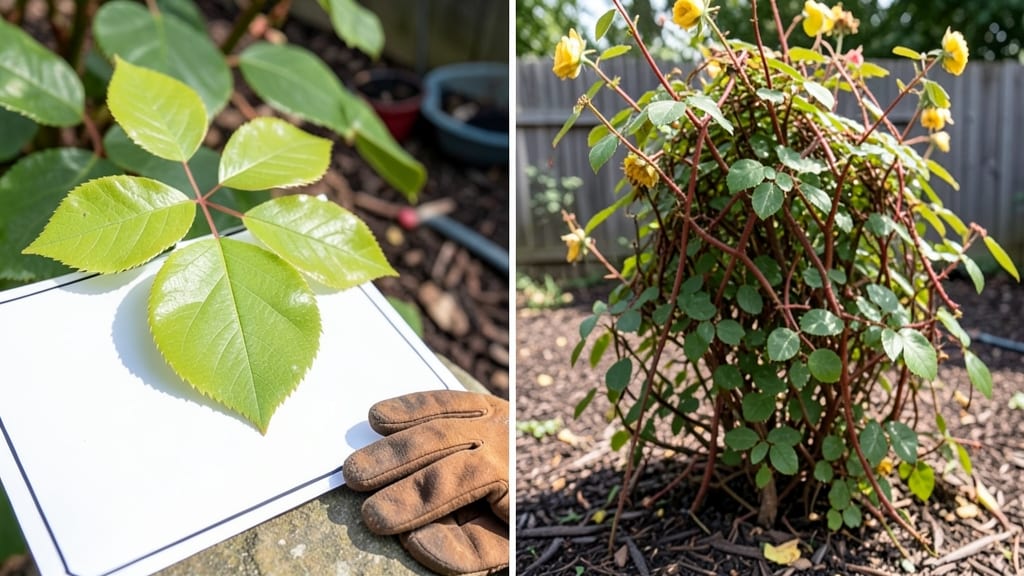
Poison ivy creeping into your rose bush ruins both beauty and health. 🌿 I’ve wrestled with this invasive vine more times than I’d like to admit, and I’ve learned the safe, effective ways to reclaim your roses—without losing your skin in the process.
The first step is identifying it correctly: poison ivy’s glossy leaves grow in clusters of three, and it climbs aggressively by wrapping around stems. Once you spot it, removal starts with protective gear—long sleeves, gloves, and a face mask—to avoid that infamous rash.
I’ve tried everything from pulling by hand to vinegar sprays, and I’ll share what actually works. You’ll restore your roses to their full, thorny glory with minimal regrowth. The key is persistence—check for new shoots weekly, and adjust your approach based on how stubborn the ivy is.
A little elbow grease now saves you from a full-blown takeover later. This method works for any rose variety, from hybrid teas to climbers. Let’s get those roses back where they belong—center stage in your garden.
How Poison Ivy Invades Roses
Poison ivy sneaking into your rose bushes isn’t just an eyesore—it’s a stealthy takeover that can strangle your prized plants if left unchecked. Understanding the science behind this invasion helps you fight back smarter.
Below, we break down the three primary ways poison ivy infiltrates rose gardens, along with the environmental and biological triggers that make it thrive.
Poison ivy thrives in competition-free zones, where it can spread its vines unchecked. Roses, especially older or less vigorous varieties, create the perfect hiding spots for it to latch on.
Why it happens:
- Shallow root competition: Roses with weak or shallow root systems leave gaps in the soil where poison ivy’s roots can slip in. Its rhizomes (underground stems) grow aggressively, outcompeting roses for water and nutrients.
- Leaf litter buildup: Fallen rose petals, leaves, and debris create a moist, shaded microclimate—ideal for poison ivy’s seeds to germinate. A single plant can produce thousands of seeds that lie dormant for years until conditions are right.
- Pruning gaps: If you prune roses too aggressively, you may accidentally leave bare stems or open canopies where poison ivy vines can climb upward, using the rose as a support structure (like a trellis).
Actionable fix: 🔹 Space roses properly (3–4 feet apart for most varieties) to reduce overcrowding. 🔹 Mulch strategically with gravel or pine straw (not wood chips) to block light and suppress poison ivy seeds. 🔹 Prune roses in late winter to remove any lingering vines before new growth starts.
Neglected gardens become poison ivy’s playground. Without regular upkeep, it fills in dead zones, smothering roses and other plants.
Why it happens:
- Lack of sunlight control: Poison ivy is a shade-tolerant opportunist. When roses cast dense shade (especially in thick hedges or unpruned bushes), poison ivy’s leaves—which photosynthesize efficiently in low light—gain an advantage.
- Waterlogged soil: Roses in poorly draining soil create soggy conditions that poison ivy loves. Its roots thrive in moisture, while roses may struggle, weakening their defenses.
- Absent barriers: Without physical barriers (like landscape fabric or edging), poison ivy’s vines crawl over soil and climb onto rose canes, using them to reach sunlight.
Actionable fix: 🔹 Thin out rose bushes annually to improve airflow and sunlight penetration. 🔹 Install edging (metal, plastic, or stone) around rose beds to block creeping vines. 🔹 Test soil drainage—amend with compost or sand if water pools after rain.
Poison ivy doesn’t just spread on its own—animals, tools, and even your shoes can transport it into your garden.
Why it happens:
- Animal hitchhikers: Birds, deer, and squirrels eat poison ivy berries and spread seeds via their droppings. Even dogs and cats can carry seeds on their fur after rolling in infested areas.
- Tool contamination: Pruners, rakes, and gloves used in infested areas can transfer plant fragments to your rose bushes. A single tiny stem piece can regenerate into a full plant.
- Unwashed garden gear: Soil clinging to boots or wheelbarrows may contain dormant poison ivy seeds, which germinate when disturbed.
Actionable fix: 🔹 Clean tools with rubbing alcohol after use in infested areas. 🔹 Wear gloves and long sleeves when working near known poison ivy patches. 🔹 Inspect new plants before adding them to your garden—quarantine for 2 weeks to spot hitchhiking vines.
Pro Tip: 🌡️ Timing matters! Poison ivy spreads fastest in spring and early summer when soil is moist and temperatures are mild. Monitor rose beds closely during these windows to catch early signs.
How to Fix It Naturally
Poison ivy infiltrating your rose bushes isn’t just an eyesore—it can weaken your plants and spread quickly if left unchecked. The good news? You can tackle this problem with targeted, plant-friendly solutions.
Below, we’ll break down the best fixes based on the root cause, from manual removal to long-term prevention. Let’s reclaim your garden without harsh chemicals!
If poison ivy has snuck into your rose bushes due to lack of maintenance, the first step is aggressive but careful removal. Poison ivy thrives in shaded, neglected areas, so pruning your roses regularly can starve it out.
🔪 Step-by-Step Removal
- Identify the Culprit - Poison ivy has three glossy leaves (or leaflets) and grows in a vine-like or bushy pattern. Roses have 5-9 petals and thorny stems.
Snap a photo if unsure—don’t touch it! - Pro Tip: 💡 Use a lensatic magnifier or app like PictureThis to confirm before handling.
- Gear Up for Safety
- Wear long sleeves, gloves (vinyl or disposable), and goggles—poison ivy’s oils (urushiol) can cause rashes even on dead plants.
- Spray the area with water or a vinegar solution (1:1 ratio) to minimize airborne spores.
- Cut It Out at the Base - Use pruning shears or loppers to sever the vine or stems as close to the ground as possible.
For thick roots, a hose-end sprayer with vinegar (or a 10% vinegar + dish soap mix) can help weaken it before digging. - Avoid burning or composting the clippings—this spreads urushiol!
- Smother or Solarize
- Option 1: Cover the area with black plastic or cardboard for 4-6 weeks to block sunlight and kill remaining roots.
- Option 2: Solarization (for warm climates): Water the soil, then lay clear plastic over the area for 4-8 weeks to bake roots.
Poison ivy often takes over because roses are stressed by poor soil or lack of nutrients. Revitalize your roses to outcompete the invader.
🌱 How to Revive Your Roses
- Test & Amend Soil - Poison ivy prefers moist, nutrient-poor soil.
Test your soil’s pH (ideal for roses: 6.0–6.5) and add: - Compost (2–3 inches) to improve drainage. - Bone meal or fish emulsion for phosphorus (boosts root growth). - Mulch with wood chips (3–4 inches) to suppress weeds and retain moisture.
- Water Deeply & Strategically
- Roses need 1–2 inches of water per week, but poison ivy thrives on shallow moisture.
- Drip irrigation (placed near rose roots) ensures roses get hydration while keeping poison ivy’s shallow roots dry.
- Plant Competitive Ground Covers
- Mulch with clover, creeping thyme, or ornamental grasses to shade out poison ivy.
- Avoid thick mulch layers—they can trap moisture and encourage ivy regrowth.
If poison ivy keeps returning, it may have deep roots or chemical-resistant strains. Use selective herbicides or natural alternatives for stubborn cases.
💊 Safe & Effective Treatments
| Method | How to Use | Safety Notes |
|---|---|---|
| Vinegar + Dish Soap | Mix 1 gallon white vinegar + 1 oz dish soap. Spray directly on leaves/stems (avoid roses!). Repeat weekly. | Works best on small infestations; may need 3+ applications. |
| Horticultural Vinegar | Spray 20–30% acetic acid on foliage (follow label). | More potent than household vinegar; wear gloves. |
| Boiling Water | Pour boiling water directly on roots (for small patches). | Best for accessible, shallow roots. |
| Glyphosate (Last Resort) | Apply only to poison ivy (not roses) using a shielded sprayer. | Wait 7–14 days before replanting; avoid edible plants. |
⚠️ Warning: Never spray herbicides on roses—it can kill them! Use a paintbrush or sponge to apply treatments only to poison ivy stems.
Once you’ve removed the poison ivy, prevent regrowth with these strategies:
- 🌞 Increase Sunlight: Poison ivy hates full sun.
Prune nearby trees/shurbs to let roses bask in 6+ hours of sunlight daily. - 🌱 Plant Barrier Crops: Surround roses with geraniums, lavender, or catnip—their strong scents deter poison ivy. - 🔄 Regular Pruning: Trim roses 2–3 times per year to remove hiding spots for ivy vines. - 🚫 Monitor & Act Fast: Check for new leaf clusters every 2 weeks. Remove at the first sign before it spreads. - 🧴 Wash Tools & Hands: After pruning, clean tools with rubbing alcohol and wash skin with soap and water to remove urushiol.
Final Thought: 🎯 The key to beating poison ivy in rose bushes is combination tactics—prune, smother, nourish your roses, and stay vigilant. With consistency, your garden will stay ivy-free and thriving!
Frequently asked questions
How do I know if the green vines in my rose bush are really poison ivy?
Look for the classic "leaves of three, let it be" rule—poison ivy has three glossy, pointed leaflets growing from a single stem. The edges may have slight serrations, and new vines often have a reddish tint. Roses have 5-9 petals and thorny stems, while poison ivy vines climb by wrapping around supports. Use a magnifying glass or plant ID app to confirm before touching!
Can I pull poison ivy out by hand without getting a rash?
No—even dead poison ivy contains urushiol oil that can trigger rashes. Always wear disposable gloves and long sleeves when removing it. If you suspect contact, wash skin immediately with cold water and soap (hot water opens pores and spreads oil). For stubborn roots, cut them at the base with pruners first to minimize skin exposure.
What's the fastest way to kill poison ivy roots without chemicals?
Try solarization for deep roots: Water the area, then cover it with clear plastic sheeting for 4-6 weeks in hot weather. The trapped heat kills roots without chemicals. For surface vines, spray with a vinegar + dish soap mix (1:1 ratio) weekly—it dehydrates the plant. Always wear gloves and avoid spraying roses!
Will my roses recover if poison ivy has already wrapped around their stems?
Yes! Gently untwist the vines from rose canes (wear gloves!) and prune any damaged stems. Apply compost and mulch to revitalize roots, then monitor for new ivy growth. Prune roses 2-3 times per year to prevent future climbing. With proper care, roses bounce back—just stay vigilant for regrowth!