
Diseases
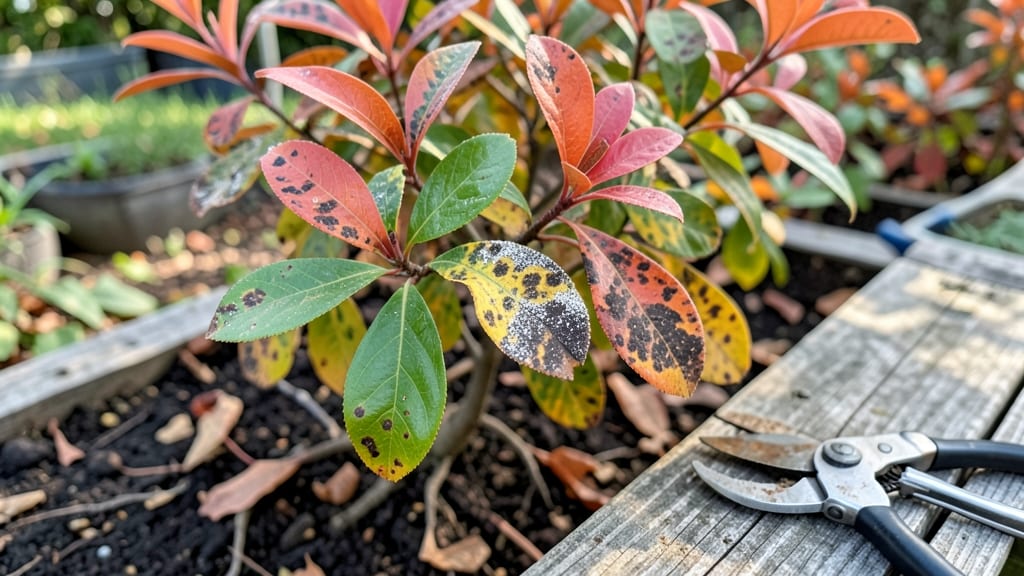
The diseases of burning bush could be hiding in those vibrant red leaves—here’s how to spot and stop fungal threats before they take over. 🌿 I've watched powdery mildew and leaf spot turn healthy shrubs into sad, spotted shadows—until I learned these early warning signs and treatments that actually work.
The first clue? White powder on leaves or dark spots with yellow halos. These aren't just cosmetic—they weaken your plant's defenses, making it vulnerable to worse infections. The good news? Catching them early means you can save your shrub with simple organic sprays and better air circulation.
By next spring, you'll see fresh, disease-free growth if you act now. The key is consistent checks, proper pruning, and spacing plants so air flows freely. I'll show you exactly what to look for and how to treat it without harsh chemicals.
This works for powdery mildew, leaf spot, and even those mysterious brown patches. Let's get your burning bush back to its fiery best before winter sets in.
Root Causes Of Shrub Decline
Understanding why your Euonymus alatus (burning bush) develops diseases starts with recognizing the environmental and biological stressors that weaken its defenses. These plants are hardy but not invincible—when conditions align just right, fungal pathogens, bacteria, and pests exploit their vulnerabilities.
Below are the key triggers behind their decline, explained in scientific yet actionable terms.
---
Fungal infections are the most common culprits behind burning bush diseases, thriving in damp, shaded conditions. Three primary fungi wreak the most havoc:
- Botrytis cinerea (Gray Mold) - Why it spreads: This necrotrophic fungus thrives in high humidity (70%+) and poor air circulation.
It infects through wounds, dead tissue, or even healthy leaves when conditions are ideal (cool nights, wet foliage). - Actionable insight: Overhead watering or dense plantings create the perfect petri dish. Botrytis can also survive in fallen leaves or mulch, reinfecting the plant year after year.
- Septoria leaf spot - Why it spreads: Caused by Septoria euonymi, this fungus targets young, tender leaves during prolonged leaf-wetting periods (e.g., morning dew + no sunlight).
Spores splash from soil or infected debris onto foliage. - Actionable insight: Rainfall or overhead irrigation during leaf expansion (spring) accelerates outbreaks. Infected leaves develop tan spots with dark borders, often dropping prematurely.
- Phomopsis twig blight - Why it spreads: The fungus Phomopsis enters through pruning wounds or bark injuries, then colonizes twigs.
It’s especially aggressive in wet springs or summers, when cankers form and girdle branches. - Actionable insight: Poor pruning hygiene (unsterilized tools) or stress from drought/sunscorch weakens defenses, making twigs prime targets.
--- Burning bushes are resilient, but abrupt or chronic stress lowers their resistance to pathogens. Common triggers include:
- Improper Watering - Overwatering: Soggy soil promotes root rot (e.g., Phytophthora), while fungal spores thrive in waterlogged conditions. Symptom: Yellowing leaves, stunted growth, and mushy roots. - Underwatering: Drought stress reduces chlorophyll production, making leaves less able to fend off infections. Symptom: Scorched edges and wilting despite moist soil nearby.
- Poor Soil Drainage or Compaction - Waterlogged or clay-heavy soils restrict root oxygen uptake, starving the plant and inviting fungal invaders like Armillaria root rot. Symptom: Sudden wilting even when soil appears wet.
- Extreme Temperature Shifts - Late spring frosts or sudden heatwaves damage cell membranes, creating entry points for pathogens. Symptom: Blackened leaf tips or necrotic patches after temperature swings.
--- Insects and mites don’t cause diseases directly, but their feeding weakens plant tissue, making it easier for fungi to invade. Watch for:
- Scale insects (e.g., Euonymus scale): - Secret honeydew, fostering sooty mold (a secondary fungal growth).
Heavy infestations clog stomata, reducing photosynthesis. - Spider mites: - Puncture leaves to feed, creating tiny wounds where Botrytis or Septoria can enter. Symptom: Stippled, silvered leaves + fine webbing. - Japanese beetles: - Skewer leaves and flowers, leaving ragged edges that dry out and crack—ideal fungal entry zones.
--- Human habits often unintentionally create disease hotspots. Common mistakes include:
- Overcrowded Plantings: - Reduces airflow, trapping humidity and spores. Fix: Space bushes 3–5 feet apart for circulation. - Ignoring Pruning Hygiene: - Using dull or contaminated tools spreads pathogens. Fix: Sterilize pruners with 70% isopropyl alcohol between cuts. - Using Infected Mulch or Compost: - Old mulch or yard waste may harbor Phomopsis or Botrytis spores. Fix: Use sterilized wood chips or gravel in high-risk areas.
--- Diseases often erupt when three factors align: 1. A susceptible host (stressed or young burning bush). 2. A virulent pathogen (e.g., Septoria spores in the air). 3. Favorable conditions (e.g., 5+ days of rain + temps 60–80°F).
Example: A newly planted burning bush in a shady, poorly drained bed—overwatered during a humid spring—is a magnet for Botrytis. Prevention? Site selection + proactive care.
Fixing Fungal Foes in Your Bushes
When your burning bush starts looking more like a smoldering disaster than a vibrant landscape staple, it’s time to take action. Fungal infections can turn your prized plant into a sad, wilted mess—but don’t worry!
With the right approach, you can nurse it back to health and keep future outbreaks at bay. Below, we’ve mapped out practical solutions for the most common burning bush diseases, tailored to their causes, plus prevention tips to stop them before they start.
---
Cause: High humidity, poor airflow, or overcrowded plants create the perfect breeding ground for this white, powdery fungus.
How to Fix It: 🔥 Prune for Airflow – Trim back dense branches to improve circulation. Aim for a 30% reduction in thickness to let sunlight and air reach the center. 👨🍳 Clean Up Fungus – Use a soft brush or cloth dipped in a 1:1 water-vinegar mix (or mild dish soap) to gently scrub off mildew. Avoid harsh chemicals near leaves. 🥘 Fungal Sprays – Apply a neem oil spray (1 tsp neem oil + 1 tsp mild soap per quart of water) every 7–10 days until symptoms fade. For severe cases, use a copper fungicide (follow label instructions). ⏰ Water Wisely – Morning watering (not evening) reduces humidity buildup. Avoid overhead sprinklers—drip irrigation is your best friend.
💡 Prevention Tip: Space bushes 3–5 feet apart and plant resistant varieties like Euonymus alatus ‘Compactus’ if mildew is recurrent.
---
Cause: Wet foliage, splashing water, or weak plants invite this leaf-spotting fungus, which thrives in damp conditions.
How to Fix It: 🔪 Remove Infected Leaves – Snip off yellow or brown spots with clean pruners, then dispose of them in the trash (not compost). Sterilize tools with rubbing alcohol between cuts. 🍳 Fungicidal Spray – Use a fixed copper fungicide (like Copper Sulfate) or a baking soda spray (1 tbsp baking soda + 1 tsp oil + 1 gallon water) every 2 weeks during rainy seasons. 🌡️ Improve Drainage – Ensure the soil isn’t soggy. Amend with compost to boost health and raise mounds if planting in clay-heavy soil. 🎯 Avoid Overhead Watering – Switch to soaker hoses or drip systems to keep leaves dry.
✨ Pro Tip: Mulch with pine needles—they create a slightly acidic barrier that deters anthracnose.
---
Cause: Fungal spores spread via water, tools, or infected plant debris, thriving in hot, humid weather.
How to Fix It: 🔥 Prune Aggressively – Cut out all spotted leaves and dispose of them. Do not compost—this spreads spores! 👨🍳 Sanitize Tools – Wipe pruners with bleach (1 part bleach to 10 parts water) or 70% isopropyl alcohol before and after use. 🥘 Boost Plant Health – Feed with a balanced fertilizer (10-10-10) in early spring to strengthen resistance. Avoid excessive nitrogen, which weakens plants. 🔪 Fungicide Rotation – Alternate between neem oil and potassium bicarbonate spray (1 tbsp per gallon of water) every 5 days until new growth appears.
💡 Prevention Tip: Water at the base (not overhead) and space plants to reduce humidity pockets.
---
No matter the disease, strong plants resist infections better.
Follow these year-round habits to minimize risks: - 🌱 Plant in Full Sun – Burning bushes need 6+ hours of sunlight daily to stay healthy and dry faster. - 💦 Water Deeply, Infrequently – 1–1.5 inches per week (check soil moisture—don’t water if the top 2 inches are damp). - 🧹 Clean Up Debris – Rake and remove fallen leaves in autumn to eliminate fungal overwintering sites. - 🌡️ Monitor Humidity – If your area is naturally humid, consider dehumidifiers near garden beds or install a fan for airflow. - 🔄 Rotate Fungicides – If you use chemicals, switch types seasonally to prevent resistance.
--- Final Thought: Most fungal diseases on burning bushes are manageable with early action and good garden hygiene. Start with pruning and airflow, then treat symptoms—your bush will bounce back faster than you think! 🌿✨
Frequently asked questions
What does powdery mildew look like on a burning bush?
Powdery mildew appears as a white, talcum-powder-like coating on leaves, often starting on the undersides. As it spreads, infected areas may turn yellow or brown. The fungus thrives in shaded, humid conditions and can cover entire branches if left untreated.
Can I still use my burning bush if it has leaf spot disease?
Yes, but remove infected leaves immediately to prevent spread. The plant can recover with proper care—prune for airflow, avoid overhead watering, and apply fungicide. Severe cases may require removing entire branches if they're heavily spotted.
How often should I check my burning bush for diseases?
Inspect your shrub every 2-3 weeks during growing season (spring-fall). Focus on new growth, leaf undersides, and branch junctions where fungi often hide. Early detection gives you the best chance to treat problems before they worsen.
Will pruning help prevent diseases in my burning bush?
Pruning 30% of dense branches improves airflow and sunlight penetration. Always use sterilized tools and remove dead/diseased wood. Prune in late winter or early spring for best results and to encourage healthy new growth.
Are there disease-resistant burning bush varieties?
Yes! Look for Euonymus alatus 'Compactus' or 'Rudy Haak' varieties. These cultivars show better resistance to powdery mildew and leaf spot. When selecting plants, choose healthy specimens from reputable nurseries to minimize disease risk.