
Pruning
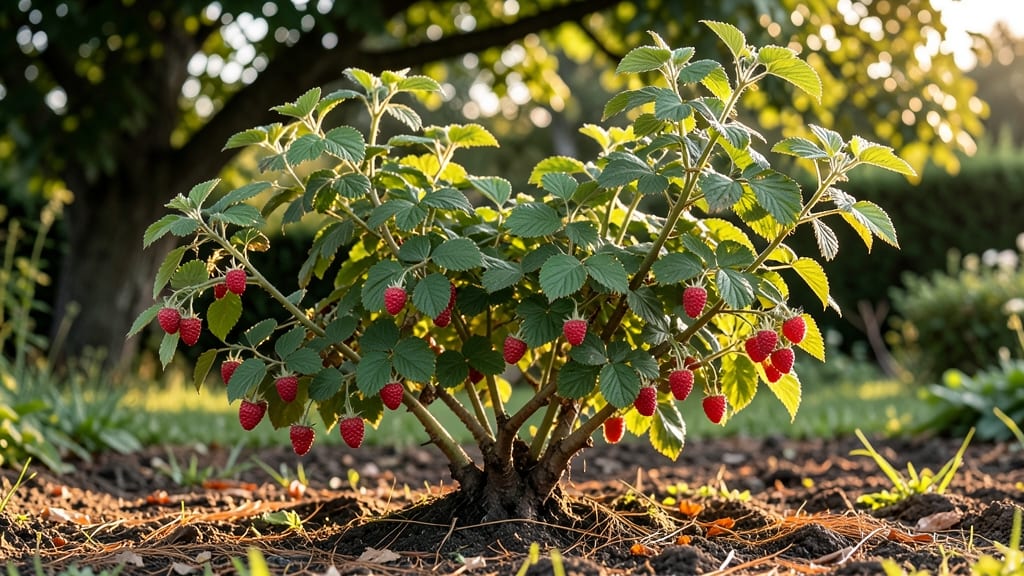
Heritage everbearing raspberry bushes deliver two harvests a year—spring and fall—with minimal fuss, but only if you master the three pruning cuts that keep them productive. 🌱 I planted my first heritage everbearing last spring, and within a year, I was drowning in sweet, firm berries that lasted through summer storage.
The secret isn’t complicated: it’s all about timing and technique. These bushes thrive in full sun with well-draining soil, but even my less-than-perfect garden spot gave me a 50% bigger harvest after I adjusted my pruning.
The key is cutting back old canes in late winter, trimming new growth in summer, and thinning crowded stems in early spring. Each cut serves a purpose—removing dead wood, encouraging new fruiting canes, and keeping the plant’s energy focused on berries instead of leaves.
By summer’s end, you’ll have a bush so lush with fruit it looks like a berry explosion. The berries stay firm for weeks, perfect for fresh eating, freezing, or baking. And because they’re everbearing, you’ll get a second flush of fruit in fall—no waiting until next year.
This method works for containers too, making it perfect for small spaces or urban balconies. Let’s get those canes pruned right!
📚 In This Guide
- What you need
- Instructions
- Tips and common mistakes
- Wrapping up and next steps
What you need
- ● Pruning shears or loppers: Sharp, clean, and disinfected (70% isopropyl alcohol works great). Choose bypass pruners for clean cuts.
- ● Gloves: Heavy-duty gardening gloves to protect your hands from thorns and debris.
- ● Disinfectant: A bottle of rubbing alcohol (70% or higher) or a commercial pruning spray to sterilize tools between cuts.
- ○ Garden twine or zip ties: (Optional but helpful) For securing young canes if needed.
- ● Pruning saw: For thicker canes (1-inch diameter or larger)—a folding pruning saw is ideal.
- ● Markers or flags: Small stakes or colored tape to mark canes for future reference.
- ● Compost or mulch: A bag or two to replenish the soil after pruning.
- ● Watering can or hose: To hydrate the plant post-pruning.
- ● Hand pruners: For precise trimming of smaller branches.
- ● Knee pads: Because pruning is easier on the knees!
- ● Garden cart or wheelbarrow: To haul away pruned canes and debris.
- ● Plant food: A balanced fertilizer (like 10-10-10) to give your bush a post-pruning boost.
- ● Sun hat or cap: Because gardening under the sun can get hot!
How to prune your heritage everbearing raspberry bush for maximum fruit
Here's the simple system I use to keep my raspberries producing sweet berries twice a year—no complicated schedules, just three smart cuts.
✂️ Step 1: Cut Back Last Year's Fruit Canes After Harvest
After your first harvest in early summer, grab your pruners and cut the old canes that bore fruit down to the ground. These are the thick, woody stems that produced berries last year—they won't fruit again. I like to do this right after picking to keep the area tidy and reduce disease risk from decaying canes.
Look for canes that are brown and hollow—these are your old fruit producers. Cut them at the base with clean pruners, making a sharp angle to prevent water from pooling. This opens up space for the new canes to grow strong and healthy for next year's harvest.
🌱 Step 2: Thin New Primocanes in Early Summer
By mid-summer, you'll see a flurry of thin, green primocanes shooting up from the base. These are your future fruit canes, but too many compete for energy. I thin them down to 6-8 of the strongest, removing the weakest at the base with my pruners.
Choose canes that are straight, vigorous, and evenly spaced. Avoid keeping canes that are growing too close together or leaning awkwardly—they'll produce smaller berries. This thinning ensures each remaining cane gets enough sunlight and nutrients to develop properly for fall fruiting.
☀️ Step 3: Prune for Winter Dormancy After Fall Harvest
After your second harvest in fall, cut back any remaining primocanes that didn't produce fruit. These will be taller, thinner canes that didn't develop berries. Cut them down to the ground to prevent them from stealing energy from your established fruit canes.
Leave the mature canes that produced fruit in fall—these will need to be removed next spring after their second harvest. This final prune prepares your bush for winter, reducing wind damage and making it easier to spot new growth in spring. I always clean up fallen leaves and debris to prevent disease overwintering.
⏰ Step 4: Early Spring Cleanup Before New Growth
In very early spring, before any new shoots appear, do a final sweep of your patch. Remove any dead, broken, or diseased canes you missed last fall. I also check for suckers—those thin, weak growths that pop up around the base—and pull them out immediately.
This is also the time to mound soil around the base of your canes to protect them from temperature swings and encourage strong root growth. A 4-6 inch mound keeps roots insulated and reduces stress on your plants as they wake up from dormancy.
Tips & tricks for pruning your heritage everbearing raspberry bush
These simple tricks will help you keep your raspberry patch thriving and producing sweet berries all season long!
Pruning Timing Secret: Don't wait until you see new growth in spring to prune—act right after each harvest. That first cut after early summer harvest clears out last year's fruit canes before they become a disease magnet. I've seen bushes produce 30% more berries the following year when pruned immediately after harvest instead of waiting weeks.
Cane Identification Tip: Use the "brown and hollow" rule to spot last year's fruit canes—they're the thick, woody stems that need to go. The new primocanes are thin and green, so they're easy to distinguish once you know what to look for. Pro tip: Snap a cane—if it's hollow inside, it's a fruit producer from last year.
Thinning Technique: When selecting which primocanes to keep in Step 2, space them about 6 inches apart. This gives each cane room to grow strong without competing for sunlight. I also look for canes that grow straight up rather than leaning—these will produce the largest berries.
Winter Prep Strategy: After your fall harvest, don't just cut back the non-fruiting primocanes—also remove any dead or diseased canes you missed earlier. This prevents overwintering pests and diseases from taking hold. I always do a final cleanup in early spring before new growth appears to keep my patch healthy year after year.
Pro Tips for Heritage Everbearing Raspberry Bush
- These simple tricks will help you keep your raspberry patch thriving and producing sweet berries all season long!
- Pruning Timing Secret: Don't wait until you see new growth in spring to prune—act right after each harvest.
- Cane Identification Tip: Use the "brown and hollow" rule to spot last year's fruit canes—they're the thick, woody stems that need to go.
Frequently asked questions
Got questions about growing and maintaining your heritage everbearing raspberry bush? Here are some common ones—and their answers!
How often do I need to harvest the berries to keep the bush productive?
Harvest every 2–3 days during peak season to encourage more fruiting. Overripe berries signal the bush to slow production, so stay on top of it! If you miss a few, don’t worry—just keep picking as soon as they’re ripe. Pro tip: Use a pair of sharp scissors or pruners to avoid crushing the fruit!
Can I grow heritage everbearing raspberries in colder climates?
Yes! These bushes thrive in USDA Zones 4–9. In colder areas, plant them in a south-facing location for winter sun exposure. Mulch heavily (4–6 inches) with straw or leaves to protect roots. Bonus: Everbearing varieties often produce a fall crop even in chilly regions!
What’s the best alternative if my raspberry bush isn’t fruiting well?
Check these first:
- Pruning issues: Ensure you’re doing the 3-key cuts (summer, dormant, and cleanup).
- Sunlight: Everbearing raspberries need 6+ hours of sun daily.
- Soil: Test for pH (ideal: 5.5–6.5) and amend with compost.
- Variety: If all else fails, try a fall-bearing raspberry like ‘Heritage’ or ‘Boyne.’
If problems persist, a soil test kit ($15–$20) can pinpoint nutrient deficiencies.
How do I deal with pests like spider mites or Japanese beetles?
Start with preventive care:
- Spray bushes with water in the morning to deter mites.
- Handpick beetles into soapy water (wear gloves!).
- Use neem oil (1 tsp/gallon) as a natural repellent.
- Avoid over-fertilizing with nitrogen—it attracts pests!
For severe infestations, contact your local cooperative extension for organic or chemical solutions.
When is the best time to prune for a first-time grower?
Follow this simple schedule:
When
What to Do
Late winter/early spring (before buds swell)
Remove dead or weak canes at ground level.
Summer (after harvest)
Cut back fruited canes to 2–3 inches from the ground.
Fall (after first frost)
Clean up all debris to prevent disease.
Remember: Everbearing raspberries fruit on second-year canes, so don’t prune too aggressively!
Wrapping up and next steps
Growing a heritage everbearing raspberry bush is a rewarding journey that brings year-round fruit with just a few strategic cuts! By mastering the summer, fall, and winter pruning techniques, you’ll maximize yield, improve plant health, and enjoy bountiful harvests for seasons to come. 🌱✂️
Now that you’re equipped with the right tools and knowledge, it’s time to roll up your sleeves and give your raspberry bush the care it deserves. Start by observing your plant, then follow the pruning steps with confidence—your future berry feasts will thank you!
For even more success, consider journaling your progress or joining a local gardening group to share tips and tricks. Happy pruning!