
Pruning
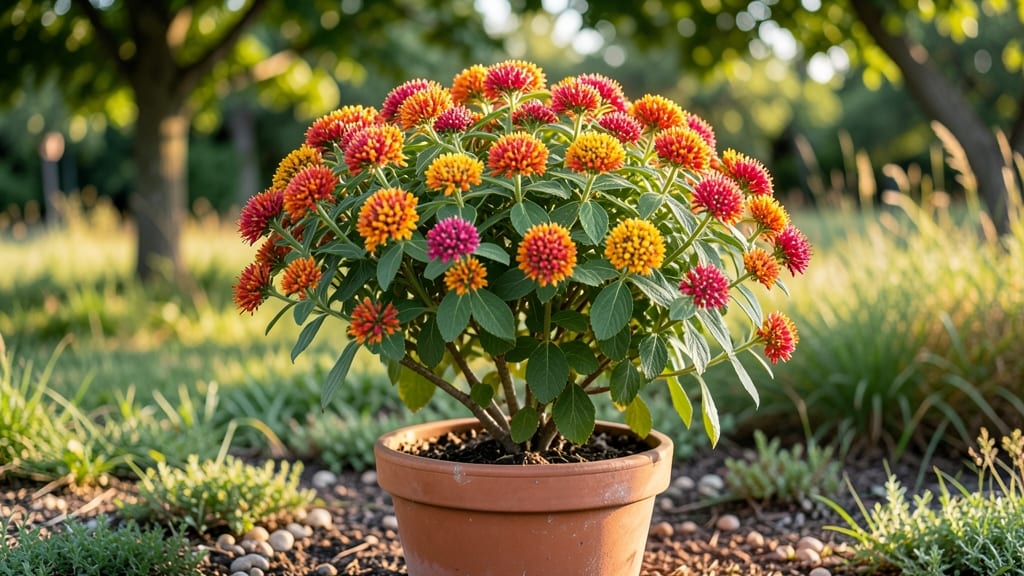
Your lantana butterfly bush could bloom nonstop if you master just three strategic trims. 🌸 I've turned my once-sparse lantana into a year-round butterfly magnet using this simple system—no fancy tools or secret formulas, just timing and a sharp pair of shears.
The key is cutting back twice in spring and once in late summer, always just above a leaf node. This keeps the bush compact, encourages new growth, and triggers fresh flower clusters. Most gardeners over-prune or wait too long, but these precision cuts make all the difference.
By summer's end, you'll have a bush covered in bright orange, yellow, and pink blooms that attract monarchs, swallowtails, and hummingbirds. The flowers stay vibrant longer, and the plant grows fuller than ever before. Works for both container lantanas and in-ground plants. Here's how to do it right—no guesswork involved.
📚 In This Guide
- What you need
- Instructions
- Tips and common mistakes
- Wrapping up and next steps
What you need
- ● Pruning shears: Sharp, bypass-pruning shears (3–5 inches long) for clean cuts. Pro tip: 💡 Sterilize blades with rubbing alcohol between cuts to prevent disease spread!
- ● Hand pruners: Small, anvil-style pruners (for thicker stems, up to ½ inch in diameter).
- ● Gloves: Heavy-duty gardening gloves (cut-resistant if your lantana has thorns).
- ● Disposable pruning bags: 1–2 large bags (10–15 gallons) to collect trimmings.
- ● Hose or watering can: For rinsing tools and cleaning sap off blades.
- ○ Loppers: Optional for stubborn, thicker branches (up to 1½ inches).
- ● Pruning saw: Rarely needed, but handy for extremely thick growth (1–2 inches).
- ● Rake or leaf blower: To clear fallen debris after trimming.
- ● Spray bottle with water: Keeps blades cool during hot cuts.
- ● Clear, sunny day (avoid pruning in extreme heat or wet conditions).
- ● Knowledge of your lantana’s growth habit (e.g., leggy vs. bushy).
- ○ Optional: A sketch or photo of your plant’s shape before pruning for reference.
Step-by-Step guide to pruning lantana butterfly bush for year-round blooms
Here's how to coax continuous flowers from your lantana by mastering its three critical pruning seasons.
✂️ Step 1: Early Spring Pruning to Encourage New Growth
After your last frost date, trim back one-third of the plant's height using sharp, clean pruners. Cut just above a leaf node or bud—this is where new growth will emerge. I always prune in the morning when the plant is hydrated, making cuts easier and reducing stress. Avoid cutting into old, woody stems; focus on the newer growth from last season.
Remove any dead, damaged, or crossing branches first—they compete for energy and can harbor pests. You'll see fresh, vibrant green leaves appear within 2-3 weeks, signaling the plant is responding well. This early pruning jumpstarts the flowering cycle by redirecting energy toward producing new stems and blooms.
☀️ Step 2: Mid-Summer Light Trim to Maintain Shape and Blooms
When your lantana reaches about 2 feet tall or starts looking leggy, it's time for a light trim. Snip back the longest stems by half their length, cutting just above a set of leaves or a bud. This encourages branching and prevents the plant from becoming too top-heavy. I like to do this in late July or early August when the plant is in full bloom but starting to look tired.
Remove only the oldest flowers—those at the base of the stems—rather than cutting back the entire stem. This technique, called deadheading, stimulates the plant to produce more flowers. You'll notice new buds forming along the stems within 10-14 days, and the plant will stay in bloom for weeks longer.
✂️ Step 3: Late Fall Pruning to Prepare for Winter
After your first frost, but before the ground freezes, give your lantana a final trim. Cut back half of the plant's height, focusing on the oldest, most woody stems. This reduces the plant's size, making it easier to protect from winter cold. I always leave 6-8 inches of growth to ensure the plant has enough energy to regrow in the spring.
Remove any remaining spent flowers and trim back any branches that have died back due to frost. This final pruning helps the plant conserve energy over the winter months. Mulch around the base with 2-3 inches of organic mulch to insulate the roots and protect them from freezing temperatures.
⏰ Step 4: Optional Light Pruning in Early Spring for Bushier Growth
If your lantana looks a bit sparse in early spring, give it a light trim to encourage bushier growth. Cut back the tips of the stems by 1-2 inches, focusing on the outermost growth. This stimulates the plant to branch out and fill in any gaps. You'll see new growth emerging from the sides of the plant within 2-3 weeks, creating a fuller, more compact shape.
This step is optional but can be particularly useful if your lantana has become too leggy or sparse. It's also a great time to shape the plant if it's grown into an awkward shape over the winter. Just remember to prune lightly—you don't want to remove too much growth too early in the season.
Tips & tricks for perfect lantana butterfly bush pruning
Mastering these key techniques will transform your lantana into a nonstop flowering powerhouse.
Timing is Everything: The three-season pruning schedule in the instructions creates a precise rhythm that keeps your lantana blooming continuously. In Step 1, that early spring trim after your last frost date is critical—it gives the plant just enough time to establish new growth before summer heat arrives. I've seen lantanas that missed this timing produce sparse blooms all season, so don't skip it! The 2-3 week window for new growth to appear is your confirmation that you're on the right track.
Equipment Matters: Using sharp, clean pruners is non-negotiable for healthy cuts that heal properly. I've ruined several pruning sessions by using dull tools that crushed stems instead of making clean cuts. For Step 2's mid-summer trim, I recommend using bypass pruners—they make precise cuts that encourage faster healing. Always sterilize your tools with rubbing alcohol between cuts to prevent spreading disease, especially when working with multiple plants.
Seasonal Strategy: The late fall pruning in Step 3 is where many gardeners go wrong. I've seen people cut back too aggressively, leaving their lantanas vulnerable to winter damage. Remember to leave those 6-8 inches of growth—this stump will be your plant's energy reserve for next spring. The 2-3 inches of organic mulch acts like a cozy blanket for the roots, protecting them from temperature swings that can stress the plant.
Visual Cues for Success: When deadheading in Step 2, look for those oldest flowers at the base of stems—they're usually the most wilted and faded. New buds will appear within 10-14 days along the stems you've trimmed. I always check for these little green nubs as my confirmation that the pruning worked. For Step 4's optional early spring trim, focus on the outermost growth—this is where you'll see the most dramatic response in just 2-3 weeks.
Pro Tips for Lantana Butterfly Bush
- Mastering these key techniques will transform your lantana into a nonstop flowering powerhouse.
- Timing is Everything: The three-season pruning schedule in the instructions creates a precise rhythm that keeps your lantana blooming continuously.
- Equipment Matters: Using sharp, clean pruners is non-negotiable for healthy cuts that heal properly.
Frequently asked questions
Got questions about keeping your lantana butterfly bush thriving with year-round blooms? Here are answers to the most common ones—so you can prune with confidence!
When is the best time to prune lantana butterfly bush for maximum blooms?
Prune your lantana three times a year: early spring (to shape and remove dead growth), mid-summer (after the first flush of flowers), and late fall (to tidy up before winter). This keeps it bushy and encourages nonstop blooms!
How much can I cut back my lantana butterfly bush without harming it?
Lantana is tough and resilient—you can trim up to one-third of its height at a time. For overgrown bushes, cut back harder in stages (e.g., 10-15% per session) to avoid shock. It’ll bounce back with vibrant new growth!
Why aren’t my lantana flowers coming back after pruning?
If blooms fade after pruning, check these fixes:
- Light: Ensure it gets 6+ hours of sun daily—lantana loves full sun!
- Water: Overwatering causes root rot; let soil dry between waterings.
- Fertilizer:** Use a balanced, low-nitrogen feed (like 10-10-10) in spring/summer.
Can I prune lantana butterfly bush to control its height or shape?
Use hand pruners or shears to:
- Pinch back tips to encourage bushiness.
- Trim uneven branches for symmetry.
- Cut just above a leaf node (the bump where leaves grow) to promote new shoots.
For a hedge effect, prune regularly to maintain your desired shape!
What’s a good alternative if my lantana butterfly bush isn’t thriving?
If lantana struggles in your climate, try these low-maintenance, butterfly-friendly alternatives:
- Salvia (e.g., Mexican Bush Sage) – Drought-tolerant with vibrant blooms.
- Buddleia (Butterfly Bush) – Tall, fragrant, and magnetizes pollinators.
- Verbena – Compact, colorful, and blooms nonstop with minimal pruning.
All thrive in similar conditions but may suit your zone better!
Wrapping up and next steps
Transforming your lantana butterfly bush into a year-round blooming powerhouse is simpler than you think! With just three precision trims—light, medium, and heavy—you’ll encourage vibrant flowers, bushier growth, and a thriving habitat for pollinators. 🌸 The key?
Stay consistent, use the right tools, and prune at the perfect times to keep your plant happy and healthy.
Ready to give your lantana the love it deserves? Grab your pruners and start trimming today—your garden (and the butterflies!) will thank you. Happy pruning! 🌿✨