
Pruning
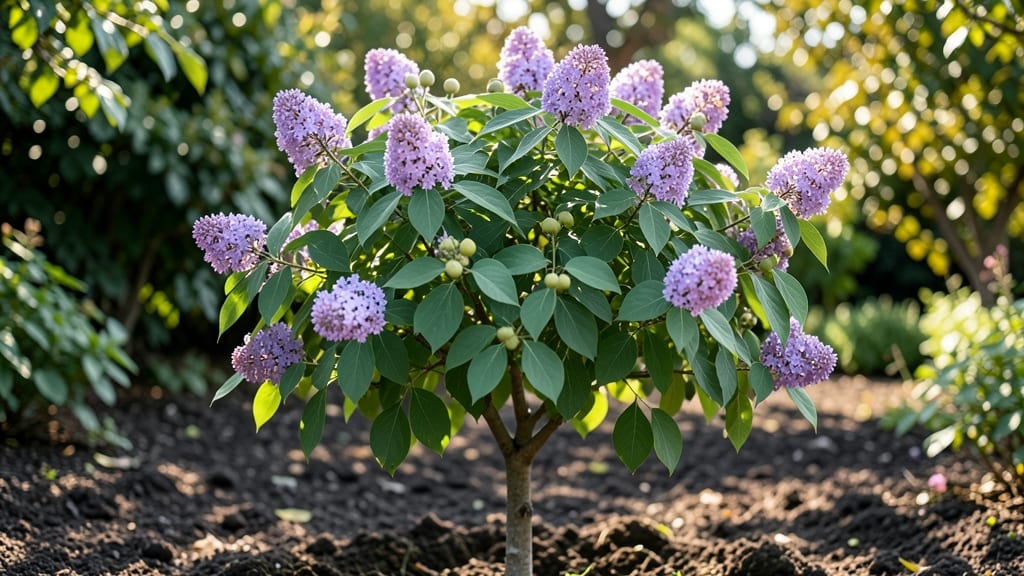
That first whiff of the Persian lilac bush in late winter is worth every cut you make. ✨ The secret to year-round fragrance lies in three strategic pruning sessions—each timed to coax more blooms, stronger growth, and that signature sweet scent that lingers through the seasons.
Most gardeners prune too late or too aggressively, but Persian lilacs (Syringa × persica) reward patience. You’ll need sharp pruners, a sunny spot with well-draining soil, and a plan to shape the bush without stripping it of next year’s flowers.
I’ve ruined mine by cutting back too hard—now I wait until after blooms fade to avoid sacrificing scent.
By mid-summer, you’ll see new growth where you made those cuts, and by next spring, the bush will be denser with more fragrant clusters. The key is balance: never remove more than one-third of the plant at once, and always cut just above a leaf node to encourage branching.
That’s how you turn a single bush into a fragrant cloud.
Works in zones 5-9, handles drought once established, and thrives in full sun to partial shade. The only real challenge? Keeping squirrels from nibbling the buds—but that’s a battle for another guide. Let’s get those pruners ready.
📚 In This Guide
- What you need
- Instructions
- Tips and common mistakes
- Wrapping up and next steps
What you need
- ● Pruning shears or bypass pruners – Sharp, clean, and disinfected (70% isopropyl alcohol works). Quantity: 1 pair (or 2 if you have a large bush).
- ● Loppers – For thicker branches (½"–1" diameter). Quantity: 1 pair.
- ● Garden gloves – Heavy-duty, cut-resistant (e.g., Felco or Fiskars brands). Quantity: 1 pair.
- ● Pruning saw – Only if your bush has woody stems over 1.5" thick. Quantity: 1.
- ● Disinfectant solution – 1 part bleach to 9 parts water (or store-bought pruning sealant). Quantity: Small spray bottle or bucket.
- ● Trash bags or bucket – For collecting pruned branches. Quantity: 1–2 (depending on bush size).
- ○ Marking twine or flags – To tag branches for removal (optional but helpful for complex cuts). Quantity: Small roll.
- ● Hand pruners with a bypass blade – For precision cuts on smaller stems.
- ● Knee pads or a small stool – If your bush is tall or dense.
- ● Plant food or compost – To nourish the bush post-pruning (e.g., balanced 10-10-10 fertilizer).
- ● Mulch – To protect the base after pruning (e.g., shredded bark).
How to prune a Persian lilac for maximum blooms and fragrance
Here's the simple system I use to keep my Persian lilac blooming heavily year after year.
✂️ Step 1: Prune Immediately After Spring Blooming
Timing is everything with Persian lilacs—wait until after the last flower fades but before new buds form. This is usually late May to early June in most climates. I always check for spent blooms first: if you see brown seed pods on the stems, it's time to prune.
Remove 1/3 of the oldest stems at the base, cutting just above a leaf node or side branch. These are the stems that bloomed last year—they've already given their best show. The lilac will send out new growth from the base, which produces the most fragrant flowers. Don't worry if it looks bare afterward; new shoots will emerge within weeks.
🌿 Step 2: Light Summer Pruning for Airflow and Shape
About 6-8 weeks after the first pruning, do a quick shape-up. Look for any stems that are crossing or rubbing against each other—these create wounds where disease can enter. Also trim any weak, spindly growth that's growing toward the center of the bush.
Use clean, sharp pruners and make cuts at a 45-degree angle just above an outward-facing leaf node. This encourages new growth to fill in gaps and improves airflow, which prevents fungal issues. I never remove more than 10-15% of the plant's total foliage in this second pruning—just enough to maintain shape.
⏰ Step 3: Final Light Pruning Before Winter Dormancy
In late fall, after the first hard frost but before temperatures drop below 20°F, do one final light pruning. Remove any dead, diseased, or crossing branches first. Then, trim back any overly leggy growth by about 1/4 inch above a leaf node.
This final cut helps the plant enter dormancy more cleanly and prevents winter damage from heavy snow or ice. I always prune on a dry day when temperatures are above freezing—working with cold, brittle wood is much harder. Cover the base with 2-3 inches of mulch afterward to protect roots during winter.
🌱 Step 4: Post-Pruning Care for Next Season's Blooms
After all pruning is done, give your Persian lilac a deep watering to help it recover. Fertilize lightly with a balanced 10-10-10 formula in early spring to support new growth. I avoid heavy fertilizing after summer—it encourages tender growth that won't survive winter.
Watch for new shoots emerging from the base in early spring. These are your most fragrant stems—protect them by avoiding heavy pruning near the ground. Within 3-4 years of proper pruning, you'll see a bush that blooms heavier and more fragrant than ever, with stems that last 2-3 weeks longer than unpruned bushes.
Tips & tricks for pruning a Persian lilac
These simple strategies will help you master the art of pruning and keep your Persian lilac thriving for years.
Timing is Key: The late May to early June window for Step 1 is non-negotiable—this is when your lilac naturally shifts from blooming to growing. If you prune too early, you'll remove next year's flower buds before they form. I've learned the hard way that waiting until after those brown seed pods appear (usually 2-3 weeks after the last bloom) makes all the difference. Mark your calendar now!
Tool Prep Matters: Before you start Step 2, clean your pruners with rubbing alcohol to prevent spreading disease between cuts. I sterilize mine between every 3-4 cuts when doing larger pruning jobs. Also, sharpen your blades regularly—dull tools crush stems instead of making clean cuts, which stresses the plant. A quick test: if your pruners struggle to cut through a pencil, they need sharpening.
Visual Cues for Step 3: When doing your final fall pruning, look for stems that have lost their vibrant green color and appear brittle—these are ready to be removed. Healthy stems should still have some green in them, even in winter. The 20°F temperature threshold is important because temperatures below this can damage the plant's ability to heal properly from cuts.
Mulch Depth Tip: After your final pruning in Step 4, spread that 2-3 inches of mulch evenly but avoid piling it against the stem. Too much mulch right at the base can trap moisture and cause rot. I like to create a slight mound that slopes down away from the trunk, about 6 inches out from the base. This protects roots while preventing moisture buildup.
Pro Tips for Persian Lilac Bush
- These simple strategies will help you master the art of pruning and keep your Persian lilac thriving for years.
- Timing is Key: The late May to early June window for Step 1 is non-negotiable—this is when your lilac naturally shift...
- Tool Prep Matters: Before you start Step 2, clean your pruners with rubbing alcohol to prevent spreading disease betw...
Frequently asked questions
Got questions about keeping your Persian lilac bush (Syringa × persica) thriving with those signature fragrant blooms? Here are answers to the most common ones—so you can prune like a pro!
When is the best time to prune a Persian lilac bush?
The ideal window is late winter or early spring (just before new growth starts). Avoid pruning in fall—it can stimulate tender new shoots that won’t survive winter. For light shaping, you can also trim dead or crossing branches anytime, but save major cuts for dormancy season.
How often should I prune my Persian lilac bush?
Establish a yearly routine:
- First year: Minimal pruning—just remove dead or damaged branches.
- Years 2–3: Light pruning to shape and encourage airflow.
- Mature bushes (4+ years): Annual pruning to rejuvenate growth and maintain size.
What if I prune at the wrong time? Will my bush die?
Not necessarily! Pruning at the wrong time (like summer) won’t kill your bush, but it can stunt blooms or leave it vulnerable to pests. If you’ve already pruned too late, don’t panic—just focus on watering deeply and fertilizing lightly in spring. New growth will still emerge!
Can I grow a Persian lilac bush in a container? How does pruning differ?
Persian lilacs thrive in large containers (15+ gallons) with well-draining soil. Pruning rules stay the same, but container-grown bushes need more frequent trimming (every 6–12 months) to control size. Use balanced fertilizer in spring to compensate for root restrictions.
Why aren’t my Persian lilac blooms as fragrant as they used to be?
Fading fragrance often signals overcrowding or poor airflow. Try these fixes:
- Thin out dense branches during pruning.
- Check for pests (aphids, spider mites)—they can stress the plant.
- Ensure it gets 6+ hours of sunlight daily.
- Fertilize with phosphorus-rich food in early spring to boost blooms.
Wrapping up and next steps
The Persian lilac bush is a fragrant treasure that rewards patience and care with stunning blooms and intoxicating scents year after year! 🌸 By mastering the three strategic pruning cuts—spring shaping, post-bloom cleanup, and winter renewal—you’ll keep your bush lush, healthy, and bursting with fragrance.
Remember, timing and technique are everything, so don’t hesitate to roll up your sleeves and give your lilac the TLC it deserves.
Ready to transform your garden? Start small: pick one season to focus on this year, then gradually build your pruning confidence. Before you know it, your Persian lilac will be the star of your outdoor space—one strategic cut at a time! 🌿✨