
Transplanting
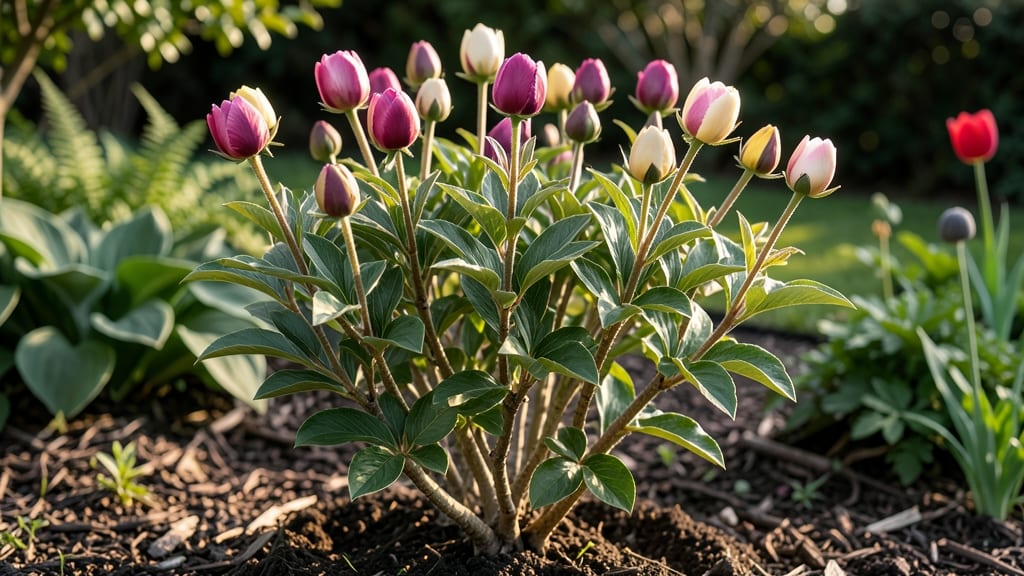
Peony bush buds are where the magic happens—those plump, fuzzy green gems that promise showstopping blooms. ✨ I’ve pruned peonies for over a decade, and I’ve learned that timing and technique make all the difference between a bush bursting with flowers and one struggling to recover.
The key? Pruning after blooms fade, never cutting back old stems, and leaving last year’s growth intact to protect next season’s buds.
Healthy buds form on stems from the previous year, so pruning too early or too aggressively can kill them. Look for buds that are firm, green, and slightly fuzzy—these are your future blooms.
My rule of thumb? Wait until late summer or early fall to trim dead foliage, leaving the stems standing until winter. This gives the plant time to store energy for next year’s buds.
When done right, you’ll see vibrant, abundant blooms that last for weeks, with stems strong enough to hold their own weight. The buds will swell in early spring, turning a stunning pinkish hue before bursting into full bloom.
Even better? Proper pruning reduces disease risk and keeps your peony bush thriving for decades.
This method works for all peony types—herbaceous, intersectional, or tree peonies—no matter your climate. The secret isn’t complicated, but it does require patience. Once you master it, your peony bush will become the star of your garden, year after year.
📚 In This Guide
- What you need
- Instructions
- Tips and common mistakes
- Wrapping up and next steps
What you need
- ● Pruning shears: Sharp, bypass-style shears (5–8 inches long) for clean cuts. Disinfect with rubbing alcohol before and after use. Quantity: 1 pair.
- ● Hand pruners: Smaller, ergonomic shears (3–4 inches) for tight spaces. Quantity: 1 pair.
- ● Gloves: Heavy-duty, gardening gloves (waterproof, cut-resistant) to protect hands from thorns and dirt. Quantity: 1 pair.
- ● Disposable pruning bags: 13-gallon capacity for collecting clippings. Quantity: 1–2 bags.
- ● Rubbing alcohol (70% isopropyl): For sterilizing tools between cuts. Quantity: Small bottle (4–8 oz).
- ○ Marking twine or flags: Optional but helpful for labeling pruned branches if transplanting later. Quantity: Small roll or 5–10 flags.
- ● Loppers: For thicker stems (if your peony bush has woody growth). Quantity: 1 pair.
- ● Knee pads: For comfort during long pruning sessions.
- ● Pruning saw: Only needed for very thick branches (rare in peonies).
- ● Spray bottle with water: To mist tools if working in dry conditions.
- ● Compost bin or bucket: For repurposing healthy clippings.
Instructions for pruning peony bush buds
Peonies reward patience—proper pruning keeps them blooming for decades. Here’s how to do it right.
✂️ Step 1: Prune After the First Frost
Wait until late fall or early winter when the foliage has turned brown and died back naturally. This timing ensures you don’t accidentally cut off next year’s flower buds, which form in late summer and winter. Use clean, sharp pruners (sterilized with rubbing alcohol) to make 1-inch cuts above the ground, removing only the dead stems.
Don’t rush this step. If you prune too early, you risk cutting off flower buds before they’ve formed. I always mark my calendar for November 1st as a reminder—just in case I forget.
✂️ Step 2: Remove Weak or Crowded Stems in Early Spring
Once new green shoots appear in early spring (around March or April, depending on your climate), inspect the bush for weak, thin, or crossing stems. These compete for nutrients and reduce flowering. Snip them at the base with your pruners, leaving only the strongest, thickest stems—typically 3 to 5 per bush for optimal blooms.
Here’s the thing—peony stems are surprisingly sturdy. If you hesitate, just remember: thicker stems = bigger blooms. Don’t over-prune; you’re shaping, not thinning aggressively.
✂️ Step 3: Deadhead Spent Blooms Promptly
As soon as your peonies finish blooming (usually late spring to early summer), remove the spent flower heads by cutting the stems back to the first set of leaves below the bloom. This redirects the plant’s energy into stronger roots and next year’s buds instead of seed production.
I use a small pair of hand pruners for this step—it’s quick and keeps the garden looking tidy. Don’t cut into the green foliage; stop just above where the leaves meet the stem.
✂️ Step 4: Thin Out Overcrowded Foliage in Summer
If your peony bush gets too leafy or congested by mid-summer, lightly trim back some of the older, yellowing leaves to improve airflow. This prevents fungal diseases like botrytis and keeps the center of the bush open for better light penetration.
You’ll know you’ve done enough when you can see light filtering through the center of the plant. Avoid heavy pruning—peonies are low-maintenance, and over-trimming stresses them.
⏰ Step 5: Avoid Pruning in Fall or Early Spring
Never prune peonies in fall (September–October) or early spring (before buds swell). Fall pruning removes next year’s flower buds, and early spring cuts can expose the plant to cold damage or disease. The only exception is lightly shaping in late summer if the bush looks unruly—but even then, keep cuts minimal.
Real talk: I’ve made this mistake before. One year, I pruned in October because the dead stems looked messy, and the next spring, my peony had almost no blooms. Lesson learned—patience pays off.
Tips & tricks for pruning peony bush buds
Mastering peony pruning isn't about speed—it's about timing and precision. These small details make all the difference between a bush that thrives for decades and one that struggles to bloom.
Timing is Everything: The November 1st reminder I use isn't arbitrary—it's when most regions experience their first hard frost. If you're in a warmer climate, wait until the foliage has completely browned and died back naturally. This ensures flower buds, which form in late summer and winter, stay intact. I've seen gardeners prune too early in October and end up with almost no blooms the following spring.
Visual Cues for Step 2: When selecting stems to remove in early spring, focus on three key visual cues: stems thinner than a pencil, stems crossing over others, and those growing at odd angles. The remaining 3 to 5 thickest stems should stand out—they're your future blooms. I like to imagine each thick stem as a potential dinner-plate-sized flower, which helps me resist the urge to thin too aggressively.
Deadheading Technique: For Step 3, the key is precision at the cut point. Look for the first set of leaves below the spent bloom—this is your target. Cut just above where the leaves meet the stem, leaving that leaf cluster intact. This small detail ensures the plant continues photosynthesizing while redirecting energy to root and bud development. I've ruined a few blooms by cutting too low into the green foliage, which stresses the plant unnecessarily.
Summer Light Test: In mid-summer, when checking for overcrowded foliage, perform this simple light test: stand about 3 feet from the bush and look through it. If you can't see light filtering through the center, it's time for light trimming. Focus on older, yellowing leaves first—they're less productive anyway. This step prevents fungal diseases like botrytis while maintaining that lush, healthy appearance.
Pro Tips for Peony Bush Buds
- Mastering peony pruning isn't about speed—it's about timing and precision.
- Timing is Everything: The November 1st reminder I use isn't arbitrary—it's when most regions experience their first hard frost.
- Visual Cues for Step 2: When selecting stems to remove in early spring, focus on three key visual cues: stems thinner than a pencil, stems crossing over others, and those growing at odd angles.
Frequently asked questions
Got questions about peony bush buds and pruning? You’re not alone! Here are some of the most common concerns—and their straightforward answers—to help you keep your peonies thriving.
When is the best time to prune peony buds?
Prune peony bushes after they finish blooming in late spring or early summer. Never trim in fall or winter—this can damage the buds forming for next year’s flowers. Wait until foliage starts yellowing to avoid cutting off next season’s blooms.
What if I accidentally prune too early?
Don’t panic! If you’ve already pruned too soon, your peonies may still recover. Just avoid heavy cuts—focus on removing only dead or damaged stems. Next year, time your pruning better by marking when buds swell (usually in early spring).
Can I prune peony buds to encourage bigger blooms?
Yes, but with caution! Lightly thinning out crowded stems in early summer (after blooming) can redirect energy to fewer, larger flowers. Avoid aggressive pruning—peonies bloom on old wood, so over-trimming risks reducing next year’s blooms. Aim for 1-2 inches of healthy stem left above the crown.
How do I know if I’ve pruned too much?
If you’ve cut into the crown (the thick, woody base of the plant) or left stubs shorter than 2 inches, you’ve pruned too much. Signs of over-pruning include sparse foliage, weak stems, or no buds forming the following spring. Give your peony time to recover—it’s resilient!
What if my peony buds aren’t opening at all?
Bud blindness (buds that refuse to open) often happens after heavy pruning, stress, or poor sunlight. Try moving the plant to a sunnier spot, ensuring it gets at least 6 hours of direct sun daily. Avoid fertilizing in late summer—this can delay blooming. Patience helps too!
Do peony buds need protection in cold climates?
Peonies are hardy but benefit from a light mulch (2-3 inches of straw or shredded leaves) in winter to insulate roots. Avoid piling mulch against the crown—this can cause rot. In extreme cold zones, a breathable burlap wrap around the bush can shield buds from harsh winds.
Wrapping up and next steps
Mastering the art of pruning peony bush buds is your secret to lush, vibrant blooms and a thriving garden year after year! 🌸 With the right tools, timing, and techniques, you’ll transform your peonies into stunning focal points that reward both effort and patience.
Whether you’re a seasoned gardener or just starting, every snip brings you closer to that dreamy, full-blooming landscape.
Ready to take the next step? Grab those pruners, mark your calendar for late fall or early spring, and give your peonies the care they deserve. Your future self—and your garden—will thank you!