
Pruning
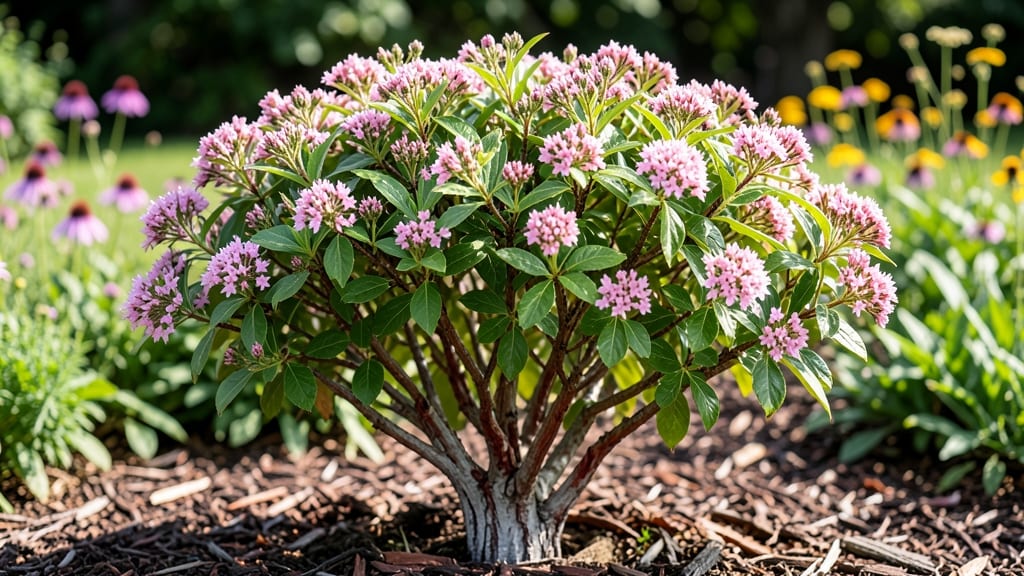
Your ninebark bush care just got easier—this is how to keep it thriving for decades. ✨ I’ve pruned mine every year for five seasons, and the secret isn’t complicated: timing, clean cuts, and a little patience.
Ninebark (Physocarpus opulifolius) rewards you with vibrant foliage and season-long interest, but only if you follow a few key steps. The biggest mistake? Waiting until spring to prune. Ninebark blooms on old wood, so cutting back too late means fewer flowers.
Instead, prune in late winter or early spring before new growth starts. Use sharp shears to make clean cuts just above a bud or branch collar—no jagged edges that invite disease. You’ll end up with a bush that stays compact, produces more flowers, and looks neat year-round.
The foliage turns stunning shades of red or purple in fall, and the peeling bark adds winter texture. It’s the kind of plant that makes neighbors ask, “What’s that?”—then wish they had one too. Works for full sun or partial shade, and handles drought once established.
Here’s how to keep yours looking its best all year.
📚 In This Guide
- What you need
- Instructions
- Tips and common mistakes
- Wrapping up and next steps
What you need
- ● Pruning shears: Bypass pruners (sharp, clean, and capable of cutting up to ¼-inch stems) – 1 pair.
- ● Loppers: For thicker stems (½-inch or larger) – 1 pair (rated for at least 2-inch cuts).
- ● Hand pruners: For precision trimming of smaller branches – 1 pair.
- ● Gloves: Heavy-duty gardening gloves (cut-resistant for safety) – 1 pair.
- ● Disinfectant: 70% isopropyl alcohol or a pruning sealant (to prevent disease spread) – small bottle.
- ○ Garden twine or tape: For tying branches during shaping – 1 roll (optional but helpful).
- ● Rake or broom: To clear fallen leaves/debris – 1.
- ● Pruning saw: For stubborn, thick branches (if your loppers can’t handle it).
- ● Extension pole: For high-reaching branches (3–6 ft. adjustable pole).
- ● Plant food: Balanced fertilizer (10-10-10 or slow-release granules) for post-pruning care.
- ● Mulch: Organic mulch (2–3 inches) to retain moisture and suppress weeds.
- ● Watering can or hose: With a gentle spray nozzle for post-pruning hydration.
Step-by-Step pruning guide for ninebark bushes
Here's how to keep your ninebark thriving with simple, seasonal pruning that boosts blooms and shape.
✂️ Step 1: Prune Immediately After Flowering
Ninebark blooms on old wood, so the best time to prune is right after flowering—usually in late spring or early summer. This prevents cutting off next year's blossoms. I like to wait until after all flowers have faded but before new growth hardens off, which usually takes about 2-3 weeks after peak bloom.
Start by removing dead, diseased, or crossing branches—these compete with healthy growth and invite pests. Use clean, sharp pruners to make cuts just above a bud or outward-facing leaf, angled slightly downward. This ensures water runs off properly and new growth emerges in the right direction. If a branch is thicker than your wrist, use loppers instead.
🌿 Step 2: Thin Out Overcrowded Branches
Ninebark bushes naturally develop a multi-stemmed, rounded shape, but over time, branches can get too dense. In late summer, after the main flush of growth, step back and look for branches growing inward or rubbing against others. These need to go—they create weak spots where bark tears and infections set in.
Remove up to 25% of the oldest stems at the base to encourage fresh growth. Focus on thinner, less vigorous branches first, as these often produce weaker flowers. You'll see a lighter, airier bush within weeks, with more sunlight reaching the center. This also prevents fungal issues like powdery mildew, which loves crowded, shaded foliage.
✂️ Step 3: Lightly Shape in Early Spring
Before new growth begins in early spring, give your ninebark a light shaping trim to maintain its form. Avoid heavy pruning now—you want to preserve next year's flower buds, which form on last year's growth. Instead, focus on tidy up any ragged edges or shoots growing in odd directions.
Use your pruners to snip back any wayward branches to just above a leaf node, keeping cuts clean and angled. If your bush has grown too tall, you can shorten the longest branches by up to ⅓, but never cut back more than that in one season. This keeps the plant balanced and prevents shock. After pruning, give the bush a deep watering to help it recover.
⏰ Step 4: Renew Old Growth in Winter (Optional)
If your ninebark has woody, unproductive stems (usually the oldest ones), winter is the time to rejuvenate it. Wait until after the first hard frost but before deep freeze, when the plant is dormant. Cut back 30-50% of the oldest stems to the ground—this encourages vigorous new growth from the base in spring.
I know it looks drastic, but ninebark is tough and rebounds quickly. Focus on removing the thickest, most gnarled stems first, as these produce fewer flowers and weaker foliage. After pruning, mulch around the base with 2-3 inches of organic mulch to protect roots from temperature swings. You'll see lush, fresh shoots by early spring, and the bush will bloom even more abundantly the following year.
Tips & tricks for perfect ninebark pruning
Here's what nobody tells you about pruning ninebark bushes—that the timing and technique make all the difference for those stunning blooms.
Timing is Everything: The 2-3 week window after flowering in Step 1 is critical because ninebark blooms on old wood. If you prune too early, you risk cutting off next year's flower buds. I've learned this the hard way—wait until flowers fade completely before touching your pruners. This timing ensures you never sacrifice next season's beauty for this year's shape.
The 25% Rule for Renewal: In Step 2, when thinning out overcrowded branches, remember that 25% is the magic number for rejuvenation. Removing up to a quarter of the oldest stems creates space for new growth while maintaining the bush's structure. I focus on the thinner, less vigorous branches first—they're often the culprits behind weak flowers and crowded centers that invite fungal problems.
Clean Cuts Create Healthy Growth: Whether you're shaping in spring or removing dead branches, always make cuts just above a bud or outward-facing leaf. This simple technique ensures water runs off properly and new growth emerges in the right direction. I can't stress enough how much difference clean, angled cuts make—it's the difference between a bush that thrives and one that struggles to recover.
Pro Tips for Ninebark Bush Care
- Here's what nobody tells you about pruning ninebark bushes—that the timing and technique make all the difference for ...
- Timing is Everything: The 2-3 week window after flowering in Step 1 is critical because ninebark blooms on old wood. ...
- The 25% Rule for Renewal: In Step 2, when thinning out overcrowded branches, remember that 25% is the magic number fo...
Frequently asked questions
When is the best time to prune my ninebark bush?
The ideal time is late winter or early spring (just before new growth starts). This removes dead wood, shapes the plant, and encourages vibrant blooms. For light shaping, you can also prune in summer after flowering—just avoid heavy cuts then!
How much can I trim back my ninebark bush?
Ninebark is tough! You can safely remove up to one-third of the plant’s growth in a single pruning session. For older bushes, rejuvenation pruning (cutting back to 6–12 inches from the ground) works—but space it over 2–3 years to avoid stress.
Why are my ninebark leaves turning yellow or spotted?
Yellow leaves often mean overwatering or poor drainage, while spots could signal fungal issues (like powdery mildew) or pests (aphids, spider mites). Prune for airflow, water at the base, and treat with neem oil if needed. Prevention tip: Space plants 3–5 feet apart!
Can I grow ninebark in containers, or is it better in the ground?
Ninebark thrives in both! For containers, choose a large pot (15+ gallons) with drainage holes and well-draining soil. In-ground plants need full sun to partial shade and moist (but not soggy) soil. Just note: container-grown bushes may need more frequent watering.
What’s the deal with ninebark’s peeling bark—is it healthy?
That exfoliating bark is totally normal and adds winter interest! It’s how the plant sheds old layers to reveal fresh growth underneath. No need to strip it—it’s a sign of a hardy, mature plant.
How cold-hardy is ninebark, and does it need winter protection?
Most ninebark varieties handle USDA Zones 3–8 (down to -30°F!). In colder zones, mulch the base with 2–3 inches of shredded bark to insulate roots. No extra wrapping is needed—just avoid heavy snow buildup on branches!
Wrapping up and next steps
Caring for your ninebark bush doesn’t have to be complicated—just consistent!
With the right pruning techniques, you’ll enjoy vibrant foliage, stunning blooms, and a healthy plant year after year. 🌿 Whether you’re trimming for shape, rejuvenating growth, or encouraging fresh flowers, a little effort now means a lush, thriving bush for seasons to come.
Ready to give your ninebark the love it deserves? Grab your pruners and start today! If you’re feeling inspired, why not explore other pruning tips for your garden? Your green thumb is about to shine brighter than ever! ✨