
Pruning
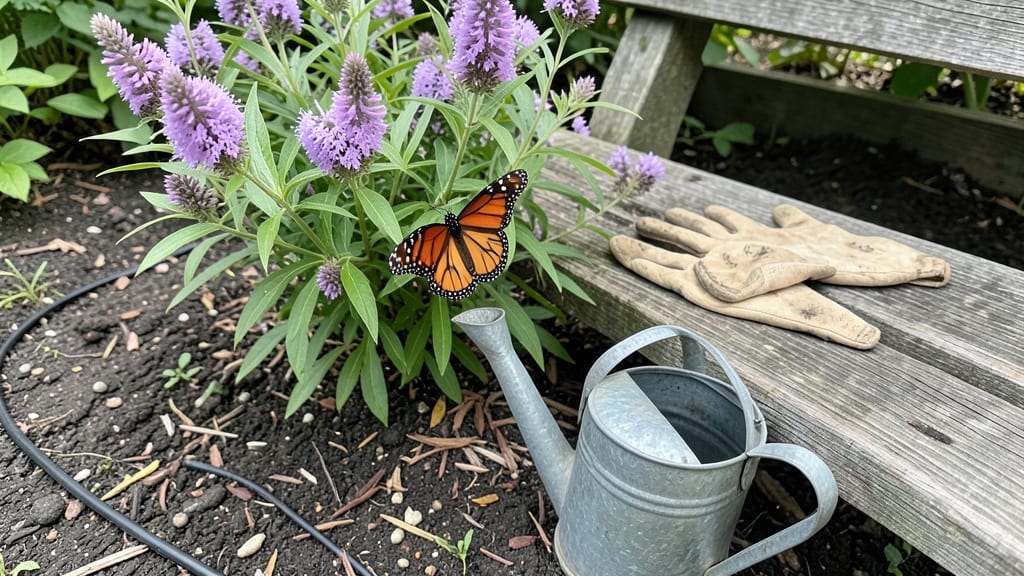
Your mini butterfly bush care could unlock nonstop blooms from spring to frost—if you master these three pruning secrets. ✂️ I’ve turned my compact Buddleia from a ragged shrub into a pollinator magnet by focusing on timing, not just cutting.
The key isn’t how much you trim, but when you do it: once in late winter, again after blooms fade, and one final light touch before winter’s chill sets in.
This isn’t your grandmother’s overgrown butterfly bush—these dwarf varieties (like ‘Lo & Behold’ or ‘Nanho Blue’) stay under 3 feet tall and thrive in pots or small gardens. They crave full sun (6+ hours daily) and well-draining soil, but the real magic happens when you prune after blooms drop.
That’s when you encourage fresh growth for next season’s flowers.
By summer’s end, you’ll have a bush covered in tiny purple blooms that attract monarchs, swallowtails, and hummingbirds—and yes, it stays compact without staking. The secret? Cutting back one-third of the oldest stems in late winter, then deadheading spent flowers to keep blooms coming.
Even in small spaces, this shrub delivers months of color with almost no fuss.
Winter hardiness? No problem—these bushes handle Zone 5-9 with minimal protection. Just mulch the base in cold climates, and you’re set for another season of effortless blooms. Ready to transform your yard into a butterfly highway?
📚 In This Guide
- What you need
- Instructions
- Tips and common mistakes
- Wrapping up and next steps
What you need
- ● Mini Butterfly Bush Plant: Choose a nursery-grown dwarf variety (e.g., 'Nanho Blue' or 'Lo & Behold® Blue Chip') in a 1- or 3-gallon container.
- ● Well-Draining Soil: 3-5 bags of garden loam mixed with compost (1 part compost to 3 parts soil).
- ● Sunlight Spot: A location with full sun (6+ hours/day) or partial shade (4-6 hours) in hot climates.
- ● Watering Can or Hose: With a gentle spray nozzle for hydration.
- ● Fertilizer: Balanced 10-10-10 fertilizer (1 lb) for spring planting.
- ● Slow-release rose or shrub fertilizer (5 lb) for mid-season feeding.
- ● Pruning Tools: Bypass pruners (sharp, bypass blades for clean cuts).
- ● Loppers (for thicker stems, 10-12 inch reach).
- ● Mulch: 2-3 bags of organic mulch (e.g., shredded bark or pine straw).
- ● Soil pH Test Kit: To check 6.0-7.0 pH range (adjust with lime or sulfur if needed).
- ● Gloves: Heavy-duty gardening gloves (butterfly bushes have thorny stems!).
- ● Staking System: 3-4 bamboo stakes + twist ties if your variety is top-heavy.
- ● Pest Control: Neem oil spray (for aphids or spider mites).
- ● Insecticidal soap (ready-to-use bottle).
- ● Drip Irrigation Kit: For automated watering (especially in hot climates).
Instructions for year-round mini butterfly bush care
Here’s how I keep my compact butterfly bushes blooming nonstop—with just three strategic trims and basic maintenance.
✂️ Step 1: First Trim After Spring’s Last Frost
The moment daytime temperatures stay above 50°F for at least a week, it’s time for your first cut. I grab my sterilized pruners and remove 1/3 of the plant’s height, cutting just above a leaf node where new growth will emerge. This encourages bushier growth and prevents leggy stems.
Focus on removing any dead or crossing branches first—they’ll never produce flowers anyway. If you see any stems with weak, yellowing leaves, trim those back to healthy green growth. The goal is to open up the center of the plant so air circulates freely, which prevents fungal diseases that can ruin blooms.
🌿 Step 2: Mid-Season Deadheading for Continuous Flowers
Every 2-3 weeks during peak bloom season, I perform this quick maintenance: pinch off spent flower clusters with my fingers (no need for pruners). You’ll know it’s time when you see brown, dried blossoms lingering on the stems. Removing these prevents the plant from putting energy into seed production and redirects it to new flowers.
Here’s the thing—I don’t cut back into old wood. Just snip or pinch off the dead flowers at their base. If you see any stems that have stopped flowering and look woody, you can trim them back by 1/2 inch to encourage fresh growth. This keeps your bush looking full and flowering continuously through summer and into fall.
🍂 Step 3: Late-Season Renewal Before Dormancy
When temperatures drop below 40°F at night and flowers slow down, it’s time for the final trim. I cut back the entire plant by 1/2 to 2/3 of its height, again focusing on removing any dead or diseased stems first. This late trim prevents winter damage and ensures fresh, vigorous growth in spring.
Don’t worry if it looks drastic—the butterfly bush is incredibly resilient. After trimming, I apply a 2-inch layer of mulch around the base to protect roots from freezing temperatures. This also helps retain moisture during dry winter spells. The key is to trim before the first hard frost hits your area.
☀️ Step 4: Year-Round Maintenance for Nonstop Blooms
Water deeply once a week during the growing season, giving the soil a thorough soaking until water runs out the drainage holes. You’ll know it’s enough when the top 2 inches of soil feel moist but not soggy. In winter, reduce watering to every 3-4 weeks unless you have extremely dry conditions.
Feed your butterfly bush with a balanced fertilizer (10-10-10) in early spring and again after your first summer trim. I use about 1 tablespoon per foot of plant height, working it into the top inch of soil. This gives it the nutrients it needs to produce those vibrant blooms all season long.
Tips & tricks for perfect year-round butterfly bush maintenance
These practical strategies will help you keep your compact butterfly bushes thriving with minimal effort and maximum bloom potential.
Timing is Everything: The 50°F threshold for your first trim is crucial—waiting too long lets the plant become leggy, while trimming too early can stunt new growth. I always check my local frost date calendar and mark the week after the last frost as my target. For areas with unpredictable springs, use a soil thermometer to confirm temperatures have stabilized above 50°F consistently.
Pruning Precision: When cutting back 1/3 of the plant's height in Step 1, focus on making clean cuts just above leaf nodes where new growth emerges. I use sterilized pruners to prevent disease transmission between cuts. For the 1/2 inch trims in Step 2, I find a small notched ruler helps maintain consistency—this prevents over-trimming woody stems that won't regrow.
Seasonal Adaptation: The 40°F nighttime threshold for your final trim varies by region. In colder zones, I often trim earlier when night temperatures consistently drop below 45°F to protect against early frost. For southern climates, you might extend this to 35°F since hard frosts are less common. Always check your local extended forecast for precise timing.
Mulching Matters: That 2-inch layer of mulch serves double duty—protecting roots and conserving moisture. I use shredded hardwood mulch because it breaks down slowly and improves soil structure over time. For the first year after planting, I double the mulch thickness to 4 inches to help establish strong root systems during winter.
Pro Tips for Mini Butterfly Bush Care
- These practical strategies will help you keep your compact butterfly bushes thriving with minimal effort and maximum bloom potential.
- Timing is Everything: The 50°F threshold for your first trim is crucial—waiting too long lets the plant become leggy, while trimming too early can stunt new growth.
- Pruning Precision: When cutting back 1/3 of the plant's height in Step 1, focus on making clean cuts just above leaf nodes where new growth emerges.
Frequently asked questions
Got questions about keeping your Buddleja davidii (mini butterfly bush) thriving?
Here are answers to the most common ones—so you can enjoy those pollinator-friendly blooms all season long!
How often should I water my mini butterfly bush?
Water deeply 1-2 times per week during the first growing season to establish roots. Once mature, it’s drought-tolerant—water only when the top 2 inches of soil are dry. Overwatering can lead to root rot, so always use well-draining soil.
Can I prune my butterfly bush in fall or winter?
Prune only lightly in late fall to remove dead or damaged branches. Avoid heavy pruning in winter, as new growth may not survive cold snaps. The best time is early spring (before buds swell) to shape the plant and encourage blooms.
Why aren’t butterflies visiting my butterfly bush?
Check these fixes:
- Ensure it’s in full sun (6+ hours/day)
- Use low-phosphorus fertilizer (too much phosphorus reduces nectar)
- Plant near native wildflowers for butterfly highways
- Water consistently—stress reduces blooms
Is mini butterfly bush cold-hardy? How do I protect it in winter?
Most varieties (like ‘Lo & Behold®’) tolerate USDA Zones 5-9. In colder zones, mulch heavily around the base with straw or leaves. For extra protection, wrap young plants in burlap or use a frost cloth on harsh nights.
What’s a good alternative if I don’t want butterfly bush?
Try these pollinator-friendly shrubs:
- Butterfly Weed (Asclepias tuberosa) – Drought-tolerant, attracts monarchs
- Russian Sage (Perovskia atriplicifolia) – Low-maintenance, long blooms
- Coneflower (Echinacea) – Perennial, great for bees
Wrapping up and next steps
Caring for your mini butterfly bush is a rewarding journey that brings vibrant color and life to your garden! 🌸 With the right pruning techniques, you’ll enjoy year-round blooms and a thriving plant that attracts butterflies and bees. Remember: timing, clean cuts, and seasonal maintenance are your best friends.
Ready to take the next step? Grab your pruners and schedule that first trim—your butterfly bush (and pollinators!) will thank you. Happy gardening! 🌿