
Pruning
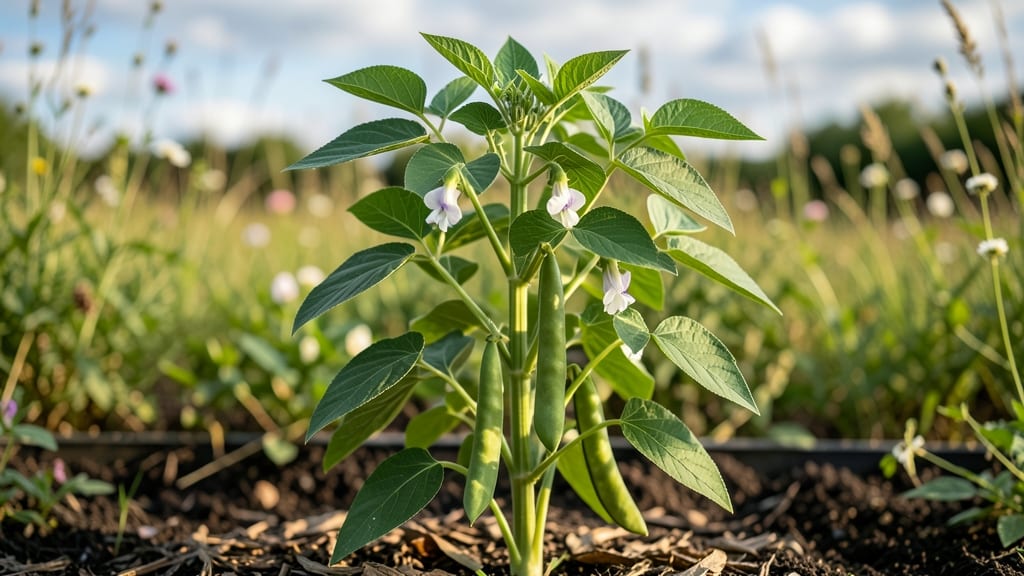
Maxibel bush beans deliver 30 days of fresh, tender pods—and I’ve grown them every season, even in my short Midwest growing window. 🌱 The trick isn’t just planting them right; it’s timing the harvest to catch those sweet, stringless pods before they toughen up.
These beans are the workhorses of my garden: productive, compact, and forgiving enough for beginners who still manage to kill tomatoes. Start with well-draining soil (they hate soggy roots) and a spot that gets 6-8 hours of sun daily.
Plant seeds 1 inch deep, 3-4 inches apart, and watch for sprouts in 7-14 days. The key? Consistent moisture—never let the soil dry out, but don’t drown them either. A 2-inch layer of mulch keeps roots cool and conserves water, which means fewer trips with the hose.
By week 6, you’ll be picking pods every 2-3 days, and the flavor? Buttery and crisp, like the freshest market beans but sweeter. The plants keep producing until frost, so if you harvest regularly, you’ll get two full harvests in a single season.
Even my black thumb can’t kill these—just don’t let them go to seed, or you’ll be dealing with dried-up beans instead of fresh ones. If pests are a problem (and they will be), handpick bean beetles in the morning and use row covers to deter birds.
Overcrowding? Thin seedlings to 4 inches apart for better airflow. And yes, you can grow them in containers—just use a 5-gallon pot for one plant. The secret to year-round success? Start a second batch 3 weeks after the first to extend your harvest into fall.
📚 In This Guide
- What you need
- Instructions
- Tips and common mistakes
- Wrapping up and next steps
What you need
- ● Maxibel bush bean seeds – 50–100 seeds (depending on desired yield; ~3–4 seeds per foot of row spacing). Choose heirloom or organic seeds for best results.
- ● Well-draining potting mix or garden soil – 2–3 cubic feet per plant. For containers, use a lightweight, nutrient-rich mix (e.g., 60% potting soil + 30% compost + 10% perlite).
- ● Containers or garden bed – Containers: 5–7 gallon pots (1–2 plants per container) with drainage holes.
- ● Garden beds: 6-inch deep, raised beds or in-ground plots with full sun (6–8 hours daily).
- ● Fertilizer – Balanced fertilizer (10-10-10) – 1 tbsp per plant at planting + 1 tbsp mid-season.
- ○ Compost or worm castings – 1 cup per plant (optional but boosts soil health).
- ● Watering can or hose with gentle spray nozzle – Beans need 1–1.5 inches of water weekly (adjust for heat/drought).
- ● Plant markers or labels – To track varieties and planting dates.
- ● Garden trowel or transplanting tool – For digging holes or moving seedlings.
- ● Pruning shears – To trim yellowing leaves or support vines (if staking).
- ○ Trellis or stakes (4–6 ft tall) – Optional for bush varieties to improve airflow (reduces disease risk).
- ● Row cover or shade cloth – Protects young plants from pests or extreme heat.
- ● pH testing kit – Ideal soil pH for beans: 6.0–7.0.
- ● Last frost date – Plant 2 weeks after the last frost (Maxibel thrives in warm soil (60°F+)).
- ● Sunlight access – Full sun (6+ hours/day) is non-negotiable!
- ● Pest management plan – Beans attract aphids, Mexican bean beetles, and slugs. Have neem oil or diatomaceous earth on hand.
Step-by-step instructions for growing Maxibel bush beans
Here’s my foolproof method for coaxing these productive beans to maturity—no matter your growing zone.
🌱 Step 1: Choose the Perfect Planting Spot
Maxibel bush beans thrive in full sun—at least 6-8 hours daily. I always pick a location with afternoon shade if your summers run hotter than 85°F, as the pods will toughen and lose sweetness. Test your soil’s pH first (aim for 6.0-7.0); these beans are finicky about acidity.
Amend the soil with 2-3 inches of compost mixed into the top 6 inches of soil. Work it in gently—don’t till deeply, as bush beans have shallow roots. If your soil drains poorly, add a handful of perlite or coarse sand per planting hole to prevent waterlogging, which causes root rot.
🌱 Step 2: Plant Seeds at the Right Depth and Spacing
Sow seeds 1 inch deep and 3-4 inches apart in rows spaced 18-24 inches apart. I plant them in small hills (3 seeds per mound) for better drainage and easier harvesting. Space hills 2 feet apart to allow airflow and prevent fungal diseases like rust.
Wait until the soil temperature reaches 60°F before planting—cold soil slows germination and can cause seedlings to rot. If you’re in a cooler zone, use black plastic mulch to warm the soil faster. Water the soil to 1 inch deep the day before planting to ensure even moisture for the seeds.
☀️ Step 3: Maintain Consistent Moisture and Fertility
Keep the soil evenly moist but never soggy—1 inch of water per week is ideal. I water at the base of the plants in the morning to prevent fungal spores from splashing onto leaves. Once flowers appear, reduce watering slightly to ½ inch per week to prevent blossom end rot, which causes pods to drop prematurely.
Side-dress with ½ cup of 5-10-10 fertilizer per plant when flowers first appear, then again when pods form. Bush beans are heavy feeders, but too much nitrogen will produce lots of leaves and few pods. I always use a balanced fertilizer and avoid high-nitrogen blends like lawn food.
✂️ Step 4: Harvest at Peak Maturity for Best Flavor
Start harvesting when pods are 4-6 inches long and snap easily when bent. I pick every 2-3 days to encourage continuous production—overripe pods become tough and stringy. Cut stems with scissors or prune shears to avoid damaging the plant.
If you miss a harvest window, don’t panic—Maxibel beans will keep producing for 4-6 weeks after flowering starts. For a longer season, succession-plant seeds every 2 weeks in warm climates. Store freshly picked pods in the fridge for up to 5 days or freeze them for later use.
🌿 Step 5: Extend the Season with Smart Techniques
To grow Maxibel beans year-round, start seeds indoors 4-6 weeks before your last frost date and transplant seedlings when soil warms. In cooler climates, use row covers to protect young plants from frost. For fall harvests, plant seeds 8-10 weeks before your first frost
If you’re in a hot climate, plant beans in late summer to avoid the peak heat. Mulch heavily with straw to retain moisture and keep roots cool. With these adjustments, you can enjoy fresh Maxibel beans for 6-8 months in ideal conditions.
Tips & tricks for growing Maxibel bush beans
These gardening secrets will help you maximize your harvest and troubleshoot common pitfalls with confidence.
Soil Temperature Secret: The 60°F soil temperature threshold isn't just a number—it's when the seeds activate their natural germination enzymes. I've found that using a soil thermometer for a few days before planting gives you a heads-up if your garden is running cooler than expected. If you're planting in spring, consider using black plastic mulch a week before sowing to accelerate warming. This is especially critical in cooler zones where beans often struggle to germinate.
Watering Wisdom: That 1 inch of water per week guideline might seem straightforward, but timing matters just as much. I water my Maxibel beans in the early morning so the foliage has all day to dry—this prevents fungal diseases like rust that thrive in damp conditions. When flowers appear, I switch to drip irrigation to deliver that ½ inch per week precisely at the roots without wetting the leaves, which helps prevent blossom end rot that causes premature pod drop.
Harvesting Hack: The 4-6 inch size range for harvesting is your sweet spot, but here's what I watch for beyond length: pods should snap cleanly when bent at a 90-degree angle with a satisfying "pop." If they bend without snapping, they're still too young. If they feel fibrous or the seams are visible, they've passed their prime. I harvest every 2-3 days using clean pruning shears—this frequency keeps the plants producing and prevents overcrowding of pods that leads to tougher texture.
Season Extension Strategy: For that 6-8 month harvest window, I've had success with a two-pronged approach: start seeds indoors 4-6 weeks before last frost using biodegradable pots, and then transplant directly into the garden. In fall, I plant a second batch 8-10 weeks before first frost, using row covers to extend the season. The key is monitoring soil temperatures—beans won't germinate well below 60°F, so I always check with a thermometer before committing to outdoor planting in spring or fall.
Pro Tips for Maxibel Bush Beans
- These gardening secrets will help you maximize your harvest and troubleshoot common pitfalls with confidence.
- Soil Temperature Secret: The 60°F soil temperature threshold isn't just a number—it's when the seeds activate their n...
- Watering Wisdom: That 1 inch of water per week guideline might seem straightforward, but timing matters just as much....
Frequently asked questions
Got questions about growing Maxibel bush beans? You’re not alone! Here are some of the most common queries—plus quick, actionable answers to keep your harvest thriving.
When is the best time to plant Maxibel bush beans for a year-round harvest?
Maxibel bush beans thrive in warm soil (at least 60°F), so aim to plant them 2–3 weeks after your last frost date in spring. For fall harvests, sow seeds 80–100 days before your first frost. In mild climates, you can even stagger plantings every 2–3 weeks for continuous production!
How long does it take for Maxibel bush beans to mature and produce pods?
These beans are fast growers! From seed to harvest, expect 50–60 days in ideal conditions. Once planted, watch for vines to climb 1–2 feet before the first pods form. Pro tip: Pick pods regularly to encourage more production!
Can I grow Maxibel bush beans in containers or small spaces?
Maxibel beans are perfect for containers—just use a 5-gallon pot or larger with drainage holes. Place them in full sun (6+ hours/day) and provide a small trellis or stakes for support. Bonus: They’re great for balconies, patios, or even hanging baskets!
What pests or diseases should I watch for, and how do I prevent them?
Common pests include bean beetles, aphids, and spider mites. Prevent issues by rotating crops yearly and using row covers early in the season. For diseases like powdery mildew, ensure good airflow and avoid overhead watering. Quick fix: Neem oil spray can help deter pests naturally!
Are Maxibel bush beans good for fresh eating, or are they better for cooking?
Versatile and delicious! These beans shine both fresh and cooked. Pick young pods (4–5 inches long) for tender, snap-like texture—perfect for salads or raw munching. Let them mature for firm, flavorful beans ideal for soups, stir-fries, or canning. Pro tip: Harvest in the morning for the sweetest flavor!
Wrapping up and next steps
Growing Maxibel bush beans is a rewarding journey that brings fresh, flavorful harvests straight to your table—no matter the season! With the right soil, spacing, and care, you’ll enjoy a bountiful yield of sweet, tender pods.
Whether you’re a beginner or a seasoned gardener, these easy-to-follow tips will set you up for success.
Ready to dive in? Start by planting your first seeds this week—your future meals (and taste buds!) will thank you. 🌱💚 Happy gardening!