
Pruning
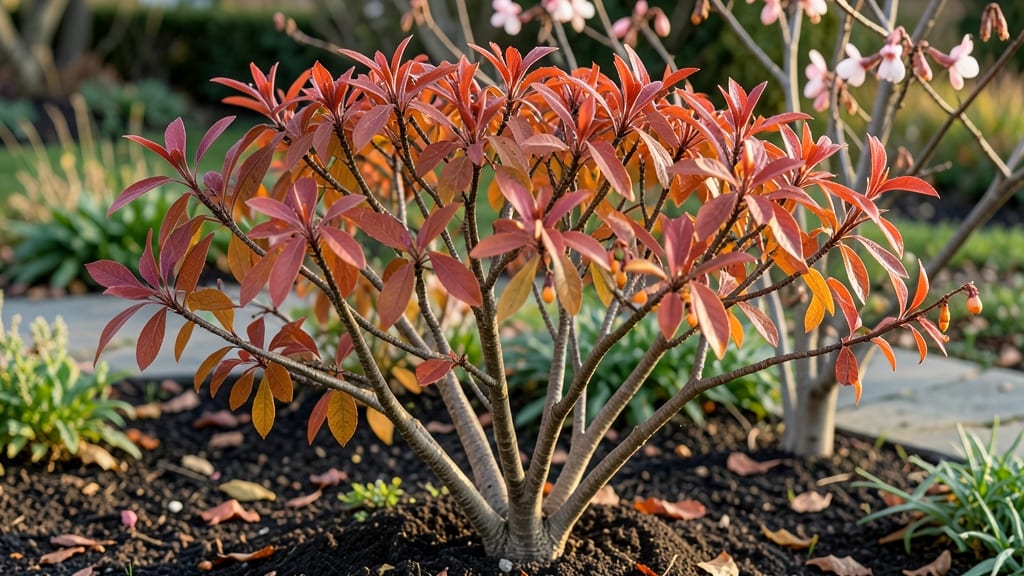
A mature burning bush 🌿 stands out with its fiery fall foliage and bright red berries, but keeping it thriving requires more than just admiration—it needs the right pruning approach.
Picture this: You’ve spent years nurturing your Euonymus alatus, and now it’s reaching its full glory—only to realize it’s looking scraggly or losing its signature berries. The problem? Most gardeners don’t know when or how to trim for bushier growth without sacrificing next year’s fruit.
Pruning at the wrong time can stunt your shrub, while over-trimming weakens its structure. But with the right techniques—like thinning crowded branches or shaping for density—you can restore its vibrancy and encourage lush, healthy foliage.
In this guide, I’ll walk you through the best timing for pruning, step-by-step methods to promote fullness, and common mistakes to avoid. By the end, your mature burning bush will be the showstopper of your landscape once again.

Best time of year to prune a mature burning bush
Pruning your mature burning bush (Euonymus alatus) at the right time ensures vibrant foliage, healthy berry production, and compact growth. Timing matters more than you might think—cutting too early or too late can stunt regrowth or even harm the plant.
The optimal window depends on your climate zone and whether you prioritize aesthetics or berry yield. Let’s break down the best seasons and why they work.
Most experts recommend pruning your burning bush in late winter to early spring, just as new growth begins. This timing aligns with the plant’s natural dormant-to-active transition, allowing it to recover quickly. In USDA Zones 6-8, aim for February to March before buds swell.
For warmer climates (Zones 9-10), late winter pruning may shift to January or early February to avoid summer heat stress.
Here’s why this timing works best: Pruning in late winter removes dead or weak branches while encouraging new, vigorous growth for the spring and summer. It also prevents overcrowding, which can reduce berry production—a key feature of this ornamental shrub.
However, if you miss this window, summer pruning can still be effective but requires extra care to avoid stress during hot months.
| Season | Best Time | Purpose | Climate Notes |
|---|---|---|---|
| Late Winter | February-March (Zones 6-8) | Remove dead wood, shape for growth | Ideal for cold climates; avoids dormant season cuts. |
| Early Spring | March-April (Zones 9-10) | Encourage new shoots, thin branches | Best for warmer zones; aligns with active growth. |
| Summer | June-July (Light Pruning) | Minor shaping, remove sparse growth | Risk of heat stress; limit to 10% of foliage. |
| Fall | Avoid (Dormant Season) | None recommended; risks winter damage | Pruning stimulates late growth, vulnerable to frost. |
If you live in a warmer climate, like Zone 9 or 10, late winter pruning might feel too early. In these areas, early spring (March-April) works just as well. The key is to prune before the plant fully wakes up but after the worst frost threat has passed.
This gives your burning bush time to harden off before summer’s heat arrives.
Summer pruning is possible but not ideal for mature bushes. If you skip the winter/early spring window, limit summer trimming to light shaping—never remove more than 10-15% of the foliage at once.
Focus on removing sparse or leggy branches to maintain the bush’s compact form. Avoid heavy pruning in summer, as it can stress the plant and reduce berry production for the following year.
One common mistake is pruning in fall or winter, when the plant is dormant. Cuts made during this time can stimulate late-season growth, which is vulnerable to frost damage.
If you must prune outside the optimal window, wait until late spring (May) and keep it minimal. Your goal is to preserve the plant’s energy for the next growing season.
For berry production, timing is critical. Pruning too late in spring can delay or reduce berry formation, as the plant diverts energy to new growth instead of flowering and fruiting. If your burning bush isn’t producing bright red berries like it should, check your pruning schedule.
The late winter/early spring approach ensures the plant has enough time to flower and set fruit before summer.
Regional climate plays a huge role. In northern states (Zones 3-5), prune as late as April to avoid late frosts. In southern states (Zones 8-10)February to avoid summer heat stress.
Always monitor your local frost dates and adjust accordingly. A general rule: Prune 2-4 weeks before your last frost date for the best results.
Finally, don’t forget to sterilize your pruners before and after trimming to prevent disease spread. Use a 10% bleach solution
Step-by-Step pruning techniques for bushier growth
Pruning your mature burning bush isn’t just about keeping it tidy—it’s about encouraging dense, bushy growth and vibrant red berries. The right technique stimulates new branches while removing dead or crowded wood.
Start with the right tools: sharp pruning shears for small branches and loppers for thicker stems. Always sterilize your tools with rubbing alcohol to prevent disease spread.
Before you begin, scan your bush for dead, diseased, or crossing branches. These are your priority targets—removing them first improves airflow and reduces pests. Next, look for overcrowded areas where branches compete for sunlight.
Thinning these out will encourage fuller growth and prevent weak, leggy stems. Remember, burning bushes thrive on controlled pruning, not drastic cuts.
Step-by-Step Pruning Guide
- 🌿
Step 1: Remove Dead Wood
Cut back brown or brittle branches to the base. These won’t regrow and only take energy from healthy wood.
- 🌿
Step 2: Thin Overcrowded Areas
Select 1-2 strongest branches per cluster and trim the rest back to a bud or side shoot.
- 🌿
Step 3: Shape for Fullness
Use hand pruners to trim 1/3 of the oldest growth each year, cutting just above a leaf node.
- 🌿
Step 4: Avoid Over-Pruning
Never remove more than 1/3 of the bush in one season—this stresses the plant and reduces berry production.
- 🌿
Step 5: Clean Up
Rake up and dispose of clippings to prevent fungal diseases. Sterilize tools again after use.
When shaping your burning bush, focus on creating an open center to allow sunlight to reach inner branches. This encourages new growth at the base, making your bush denser over time.
For berry production, avoid heavy pruning in late summer—this is when flowers form for next year’s fruit. Instead, prioritize light shaping in early spring.
Safety is key when pruning large branches. Always look up and down before cutting to avoid damaging nearby plants or structures. Wear gloves to protect your hands from thorns and use a stable ladder if reaching high branches.
Never stand on wobbly surfaces—your focus should be on precise cuts, not balance. A sharp tool makes cleaner cuts that heal faster, reducing the risk of disease.
After pruning, give your burning bush a deep watering to help it recover. Mulch around the base with 2-3 inches of organic mulch to retain moisture and suppress weeds.
Avoid piling mulch against the trunk, as this can cause rot. With proper pruning, your bush will reward you with lush foliage and vibrant berries for years to come.