
Pruning
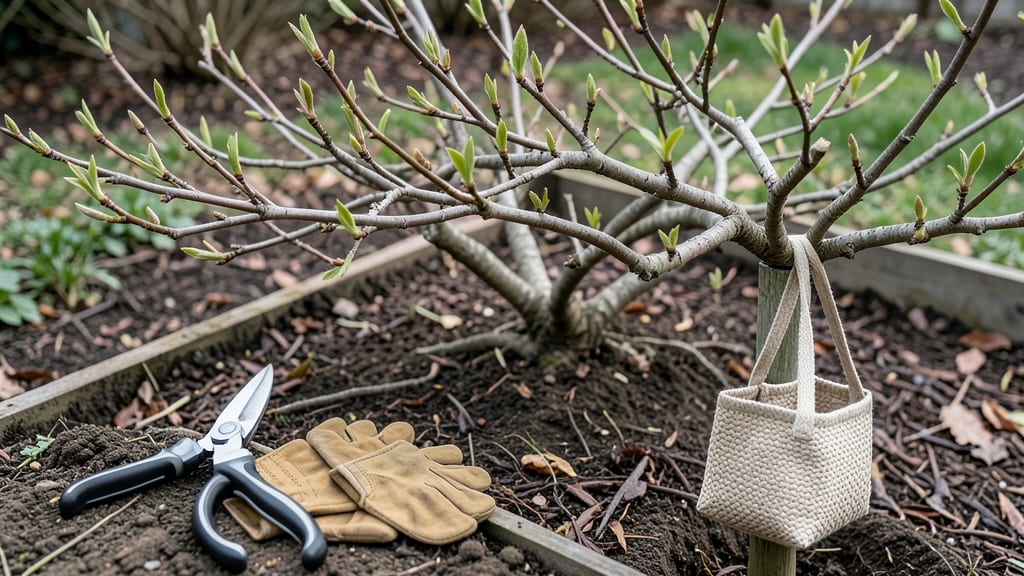
The best time to cut back burning bushes is late winter, just as new growth begins but before buds swell 🌿 — a window that ensures vibrant blooms and healthy recovery.
If your burning bushes look overgrown, leggy, or struggling to bloom, timing your pruning correctly could mean the difference between vibrant growth and stunted recovery. Late winter is the perfect window—but why, and how do you do it right?
Pruning during dormancy reduces stress on the plant and minimizes sap loss, while cold weather helps prevent disease spread. This is especially important in USDA Zone 6a, where early spring frosts can still linger.
Below, I’ll walk you through the exact steps to prune your burning bush for maximum blooms and health, including regional adjustments and common mistakes to avoid.
Why late winter dormancy is the best time to prune burning bushes
Pruning your burning bushes (Euonymus alatus) at the right time can transform them from overgrown eyesores to vibrant, healthy shrubs. But why does late winter—when your garden looks bare and cold—stand out as the ideal window?
The answer lies in plant biology, disease prevention, and minimizing stress on your shrubs. Let’s break down the science and practical reasons behind this timing.
When burning bushes enter dormancy in late winter, they’ve already stored energy reserves for the next growing season. Pruning during this low-activity period reduces sap loss and stress, allowing the plant to focus on healing cuts and producing new growth.
Plus, cold temperatures help prevent bacterial and fungal infections, which thrive in warm, moist conditions. This is why gardeners in USDA Zones 5-8 swear by late winter pruning.
Here’s the golden rule: Prune when your burning bush is completely dormant but before buds begin to swell. This typically falls between mid-February and early March in most regions, but timing shifts slightly depending on your USDA zone and local climate.
For example, gardeners in Zone 6 might start as early as late January, while those in Zone 8 may wait until March.
The ideal temperature range for pruning is 40-50°F (4-10°C). Colder snaps can damage tender new growth, while warmer spells may wake the plant prematurely. Always check for bud swell—if you see tiny green buds forming, it’s time to pause pruning until spring.
This is your cue that the plant is re-entering active growth and needs to conserve energy.
One of the biggest misconceptions about pruning burning bushes is that it can be done anytime. Many gardeners mistakenly prune after the fall foliage display, but this is a critical mistake.
Cutting back in late fall or early winter removes the plant’s energy reserves just when it needs them to survive winter. Additionally, fresh cuts in cold weather are more susceptible to disease and pests, setting your shrub up for failure.
Cold weather also plays a protective role against invasive pests like spider mites and scale insects. These pests are less active in winter, so pruning during dormancy reduces their chances of infesting your shrubs.
Plus, removing dead or diseased branches in late winter prevents pathogens from spreading to healthy tissue once warmer weather arrives. Think of it as a reset button for your burning bush’s health.
Regional adjustments are key. In warmer climates (Zones 8-10), where winters are mild, you might prune as late as early February. Conversely, in colder zones (Zones 3-5)after the last frost date—usually mid-to-late March.
Always align your pruning with your local frost dates and the USDA zone map to avoid damaging tender new growth.
Another scientific benefit of late winter pruning is the stimulus for bushier growth. When you cut back 1/3 of the shrub’s height during dormancy, you encourage the plant to produce multiple new stems from the base.
This creates a fuller, more compact shape and boosts next year’s foliage and flower production. It’s like hitting the reset button on your shrub’s growth pattern.
Finally, late winter pruning gives you a clear view of the shrub’s structure. With no leaves obscuring the branches, you can easily identify deadwood, crossing branches, and weak growth.
This makes it easier to shape the shrub properly and improve airflow, which is essential for preventing fungal diseases like powdery mildew. Pro tip: Use sterilized pruning shears to avoid spreading disease between cuts.
Now that you understand the why, let’s dive into the how. The next section will walk you through a step-by-step pruning guide, including the tools you’ll need, cutting techniques, and common mistakes to avoid.
But first, here’s a quick reference table to summarize the best times to prune based on your region.
| Region (USDA Zone) | Best Pruning Window | Temperature Range | Key Indicator |
|---|---|---|---|
| Zones 3-5 (Cold Climates) | Mid-to-late March | 40-50°F (4-10°C) | After last frost, no bud swell |
| Zones 6-7 (Temperate) | Late February to early March | 40-50°F (4-10°C) | Dormant, buds not swollen |
| Zones 8-10 (Mild Winters) | Early February | 50-60°F (10-15°C) | No new growth visible |
| All Zones (Critical Rule) | Before bud swell | N/A | Never prune after buds form |
With this table as your guide, you’ll never second-gu
Step-by-step guide: how to prune burning bushes for maximum blooms and health
Pruning your burning bushes (Euonymus alatus) isn’t just about tidying up—it’s about encouraging vibrant blooms and healthy growth. The key is timing and technique. When done right, you’ll promote new growth while avoiding stress that can weaken your shrub.
Let’s break down the exact steps to follow for a thriving burning bush.
First, gather your pruning tools. You’ll need sharp bypass pruners for clean cuts, loppers for thicker branches, and sterilized pruning shears to prevent disease spread. Avoid dull tools—they crush stems and slow recovery. I also recommend wearing gloves to protect your hands from thorns and sap.
One of the biggest mistakes I see is over-pruning. If you cut back too aggressively, your burning bush may struggle to recover, leaving it leggy or sparse.
Another common error is pruning at the wrong time, like during summer heat or winter dormancy. Always check for bud swell to confirm readiness.
After pruning, clean up debris and sterilize your tools with rubbing alcohol to prevent disease spread. Apply a layer of mulch around the base to retain moisture and protect roots. With proper care, your burning bush will reward you with lush foliage and stunning fall color.
Remember, patience is key. A well-pruned burning bush can live for decades with minimal care. Stick to this guide, and you’ll enjoy a healthy, blooming shrub year after year. Happy pruning! ✂️🌿