
Pruning
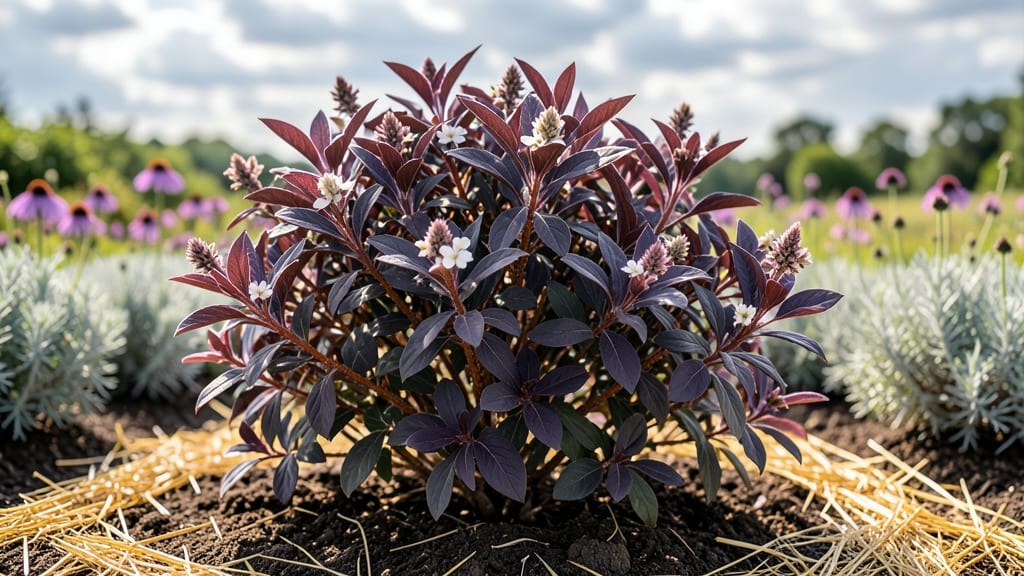
The Little Devil ninebark bush transforms any garden with its velvety dark foliage and year-round structure. 🌿 I’ve pruned mine for five seasons, and the key is timing—cutting in late winter or early spring keeps it compact while encouraging fresh growth that blooms in spring and summer.
This bush thrives in full sun to partial shade and tolerates poor soil, making it a low-maintenance star. Plant it 6 to 8 feet apart for mature size, and water deeply the first year to establish strong roots.
The dark purple-black leaves contrast beautifully with white flowers and red berries, adding seasonal interest. Pruning isn’t just about shaping—it’s about rejuvenation. Remove dead wood first, then trim back one-third of the oldest stems to the ground. This encourages new shoots and keeps the bush looking tidy.
The result? A bush that stays lush, productive, and full of personality. Works in zones 3-8, making it a versatile choice for nearly any climate. Here’s how to keep yours thriving all year.
📚 In This Guide
- What you need
- Instructions
- Tips and common mistakes
- Wrapping up and next steps
What you need
- ● Pruning shears: Sharp, bypass-style shears (for clean cuts on smaller stems). Quantity: 1 pair.
- ● Loppers: For thicker branches (½"–1" diameter). Quantity: 1 pair.
- ● Pruning saw: For stubborn, woody stems (1"–2" diameter). Quantity: 1.
- ● Disinfectant: 70% rubbing alcohol or pruning sealant (to prevent disease). Quantity: Small bottle.
- ● Garden gloves: Heavy-duty, cut-resistant (for safety and grip). Quantity: 1 pair.
- ● Trash bags: For removing pruned debris. Quantity: 2–3.
- ○ Measuring tape: (Optional but helpful for tracking growth). Quantity: 1.
- ● Hand pruners with a crimping tool: For sealing larger cuts (reduces sap bleeding).
- ● Ladder or step stool: If your bush is taller than 6 feet.
- ● Marking spray: (For visualizing cuts before pruning).
- ● Mulch: To protect the base post-pruning.
- ● Check the weather: Prune on a dry, overcast day (avoid extreme heat or frost).
- ● Gather tools 10–15 minutes before starting—you’ll work faster with everything ready!
- ● Wear long sleeves and closed-toe shoes (ninebark can have thorns!).
How to prune Little Devil ninebark for healthy growth and stunning color
This pruning routine keeps your Little Devil ninebark bush compact, vibrant, and blooming beautifully all season long.
✂️ Step 1: Prune in Early Spring for Shape and Airflow
Start your pruning in late winter or early spring—right as new growth begins to swell. This is when the bush is still dormant but ready to burst into action. I like to wait until after the last frost date in my zone so I don’t accidentally damage tender new buds.
Remove any dead, diseased, or crossing branches first. Use clean, sharp pruners to make cuts just above a bud or branch collar. Avoid leaving stubs—they invite infection. Focus on opening up the center of the bush to improve airflow, which prevents fungal issues and keeps foliage healthy.
✂️ Step 2: Lightly Trim After Flowering to Encourage New Growth
After your Little Devil ninebark finishes blooming in late spring or early summer, give it a second round of pruning. This time, cut back one-third of the oldest stems to the ground. These stems are usually the thicker, woody ones that no longer produce vibrant foliage or flowers.
Don’t worry—this bush is tough and will bounce back. The goal is to stimulate fresh, younger growth that will have brighter red foliage and more flowers. Avoid heavy pruning now, though. Too much at once can stress the plant and reduce its ability to rebound.
✂️ Step 3: Shape and Thin Out in Late Summer for Winter Prep
In late summer, do a final light pruning to tidy up the bush and prep it for winter. Remove any weak, spindly growth or branches that are growing inward. This keeps the bush dense and upright, which is especially important for the Little Devil’s striking foliage.
I also like to trim back any stems that are too long or leggy to maintain a compact shape. Cut just above a leaf bud or outward-facing branch to encourage bushier growth. Avoid pruning too late in the season—stop by early fall to allow new growth time to harden off before winter.
✂️ Step 4: Clean Up in Late Winter to Remove Dead Wood
Just before spring growth starts—around February or March—do a final cleanup. Remove any dead, broken, or weak branches that didn’t get trimmed earlier. This keeps the bush looking sharp and prevents pests or diseases from hiding in dead wood.
Rake up and dispose of all pruned branches to reduce the risk of fungal spores lingering in the garden. A quick spray of neem oil (if needed) on the bush can help deter any overwintering pests. This step ensures your Little Devil ninebark starts the season strong and healthy.
⏰ Step 5: Monitor and Adjust Throughout the Year
Keep an eye on your bush between pruning sessions. If you notice overcrowding or weak growth, do a little light trimming as needed. The Little Devil ninebark is forgiving, but consistency is key—pruning at the right times ensures it stays vibrant, compact, and full of color.
I also recommend watering deeply after pruning to help the bush recover. Mulch around the base with 2-3 inches of organic mulch to retain moisture and protect roots. With regular care, your Little Devil ninebark will reward you with year-round interest and stunning foliage.
Tips & tricks for pruning your Little Devil ninebark
These simple strategies will help you keep your Little Devil ninebark looking its best year after year.
Tool Selection: Invest in a pair of bypass pruners with sharp, clean blades—dull tools crush stems instead of making clean cuts. I also keep a small folding saw on hand for any thicker branches that need removing. Disinfect your tools with rubbing alcohol between cuts to prevent spreading disease from one branch to another.
Seasonal Timing: The late winter/early spring timing in Step 1 is crucial because it lets you prune while the bush is still dormant but ready to grow. If you're in a warmer climate where growth starts earlier, adjust to prune just before buds begin to swell. This prevents stressing the plant too soon in the season.
Visual Cues for Pruning: When cutting back one-third of the oldest stems in Step 2, look for branches that are thicker than a pencil—they're typically the ones that no longer produce vibrant foliage. The new growth that emerges will be more colorful and vigorous. For shaping in Step 3, imagine an upside-down cone shape when looking at the bush from above.
Pro Tips for Little Devil Ninebark Bush
- These simple strategies will help you keep your Little Devil ninebark looking its best year after year.
- Tool Selection: Invest in a pair of bypass pruners with sharp, clean blades—dull tools crush stems instead of making clean cuts.
- Seasonal Timing: The late winter/early spring timing in Step 1 is crucial because it lets you prune while the bush is still dormant but ready to grow.
Frequently asked questions
Got questions about keeping your Little Devil ninebark bush thriving? We’ve got answers!
Whether you’re a pruning pro or just starting out, these FAQs will help you master year-round care for this stunning shrub.
When is the best time to prune my Little Devil ninebark?
The ideal time to prune is late winter or early spring (before new growth starts) to shape the bush and encourage fresh blooms. You can also do light pruning after flowering to maintain shape—just avoid heavy cuts in summer or fall, as this can stress the plant.
How much can I prune back without harming the bush?
You can safely prune back up to one-third of the plant’s height in a single session, but avoid cutting into old wood (gray/brown stems). For rejuvenation, prune 1/3 of the oldest stems to the ground every few years to stimulate new growth and prevent woody centers.
Why are my leaves turning yellow or brown?
Yellowing leaves often signal overwatering or poor drainage, while brown edges may mean underwatering or heat stress. Check soil moisture (it should be slightly dry between waterings) and ensure the bush gets 6+ hours of sunlight daily. Fungal issues? Prune for airflow and avoid wetting foliage.
Will pruning reduce next year’s flowers?
Not if done right! Pruning after flowering (summer) focuses on shape, while late-winter cuts remove old wood, making room for more vibrant blooms the following season. Just avoid heavy cuts in fall—this can delay spring growth.
What’s a good alternative if my ninebark isn’t thriving?
If your Little Devil struggles with pests, disease, or harsh climates, consider ‘Diablo’ ninebark (disease-resistant) or ‘Columnare’ ninebark (compact, upright growth). For full sun lovers, ‘Arctic Fire’ dogwood or ‘Dart’s Little Susie’ spirea are great low-maintenance picks!
Wrapping up and next steps
The Little Devil Ninebark is a stunning, low-maintenance shrub that rewards patience with vibrant foliage and seasonal blooms—and you’re now equipped to keep it thriving! With the right pruning techniques, you’ll enjoy year-round structure, lush growth, and those eye-catching red stems.
Don’t let hesitation hold you back—grab your shears and give this beauty the care it deserves!
🌱 Next step: Mark your calendar for late winter or early spring and start pruning with confidence. Your Little Devil Ninebark will thank you with a showstopping display! 🌸