
Planting
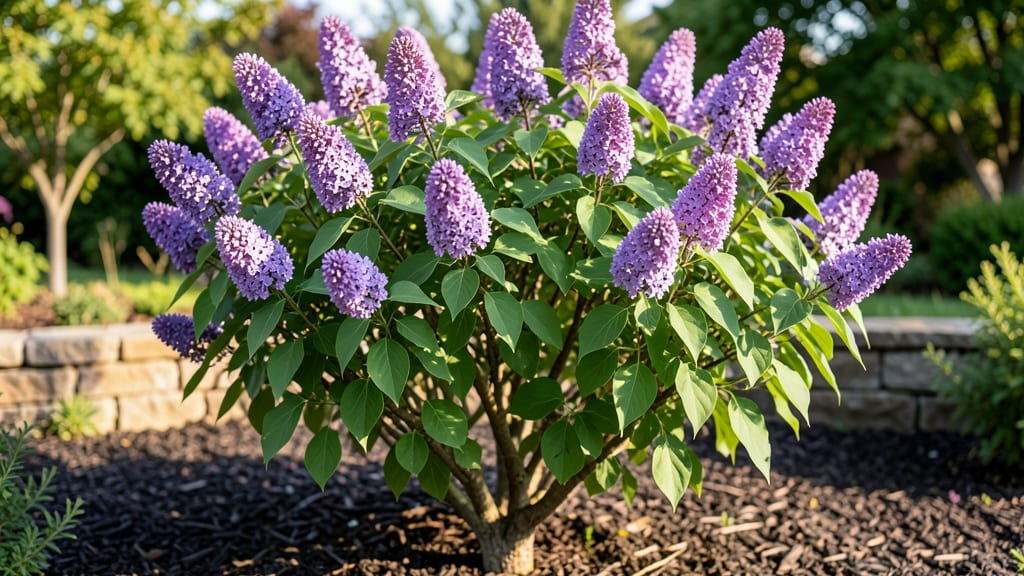
Lilac bushes thrive best in USDA hardiness zones 3 through 7, where they can withstand winter temperatures as low as -30°F to -10°F. Southern hybrids like 'Missouri' extend their range to zones 5-9, while traditional varieties excel in cooler zones 3-6.
Choosing the right lilac bush zone depends on your region's winter lows and summer heat.
Lilacs are hardy but struggle in extreme southern climates (zones 9-11) where summer heat can stress them, while northern varieties (zones 3-4) may bloom less reliably in milder winters. 🌸 The key is matching your local zone to a variety bred for those conditions—like the heat-tolerant 'Missouri' or the cold-hardy 'Katherine Havemeyer'.
Even within zones, microclimates matter: a sheltered spot can protect lilacs from harsh winds that might otherwise damage their delicate buds.
For best results, plant in late fall or early spring when temperatures are cooler. Lilacs establish roots slowly, so give them time to adapt before expecting full blooms. Most varieties need full sun (6+ hours daily) and well-draining soil to thrive across their ideal zones.
If you're in a borderline zone, consider container growing for added flexibility—just move pots indoors during extreme weather.
💡 In This Article
- Understanding Lilac Bush Cold Hardiness by Zone
- Top Lilac Varieties for Every Climatic Zone
Understanding lilac bush cold hardiness by zone
Lilac bushes rely on a combination of cold dormancy and gradual temperature shifts to trigger spring blooms. In zones 3-5, where winters dip below -20°F, lilacs enter deep dormancy, protecting their buds from freezing.
The root systems of these varieties develop a natural antifreeze-like compound called proline, which helps cells survive ice crystal formation. This is why older cultivars like 'Common Lilac' thrive in these harsh conditions—their genetics have adapted over centuries to endure -30°F temperatures without bud damage.
The real challenge comes in zones 6-7, where winter temperatures hover around 10-20°F. Here, lilacs need a period of cold exposure (typically 400-600 hours below 45°F
Southern hybrids like 'Missouri' have been bred to handle milder winters by requiring fewer chill hours, making them ideal for zones 5-9 where traditional varieties might struggle. Heat tolerance becomes the limiting factor in zones 8-9, where summer temperatures often exceed 90°F. Lilacs aren't equipped to handle prolonged heat—their leaves can scorch, and flowering may become erratic. The secret to success in warmer zones is choosing varieties with thicker, waxier leaves (like 'Dwarf Korean') that retain moisture better. Even in cooler zones, afternoon shade during peak summer can prevent leaf burn while maintaining the bush's vigor for next year's blooms. What most gardeners overlook is how wind interacts with cold hardiness. Lilacs in exposed locations (like hilltops) can experience wind chill effects that make -10°F feel like -30°F. This is why planting near a windbreak—like a fence or taller shrubs—can extend a lilac's effective hardiness by 1-2 zones. The same principle applies to microclimates: a south-facing wall can create a 5-10°F warmer zone than the surrounding area, making it suitable for slightly tender varieties. Soil also plays a hidden role in cold tolerance. Well-draining, slightly alkaline soil (pH 6.5-7.5) helps prevent root rot during winter thaws, which can be deadly. In zones 3-4, amending heavy clay with organic matter improves drainage, while in zones 6-7, mulching with 3-4 inches of wood chips insulates roots against temperature swings. The right soil preparation can mean the difference between a thriving lilac and one that struggles to establish. Here's what happens when you push lilacs beyond their zone limits: In zone 2, even hardy varieties may suffer dieback from prolonged -40°F temperatures, while in zone 10, summer heat stress leads to leaf drop and reduced flowering. The sweet spot is matching your variety to your zone's average annual minimum temperature, not just the coldest single night. For example, 'Katherine Havemeyer' (zones 3-7) handles -30°F but may bloom poorly in zone 8's milder winters. For gardeners in borderline zones, consider these practical tips: In zone 4, choose 'Purpurascens' for its early blooms that finish before late frosts. In zone 8, opt for 'Armandii' which tolerates some summer heat. And remember—container-grown lilacs can be moved to sheltered spots during extreme weather, giving you flexibility to grow varieties outside their typical zone range. 🌸