
Pruning
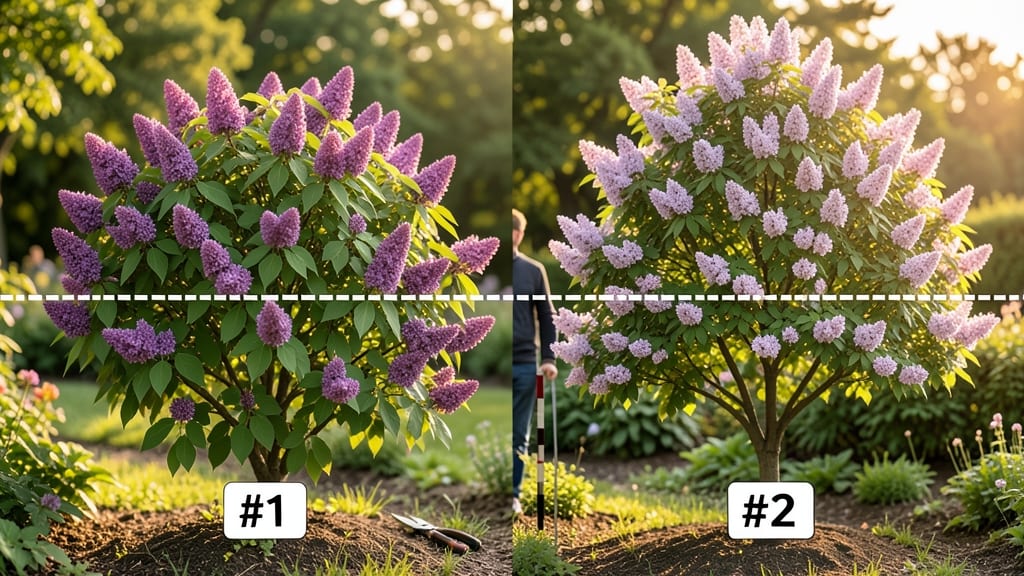
Deciding between a lilac bush and tree boils down to space and scent. 🌸 My first lilac bush filled my yard with fragrance for weeks, but the tree version adds height and drama—both need the same care but grow differently.
The bush stays compact, while the tree reaches for the sky, changing how you prune and place them.
Lilac bushes typically grow 3-6 feet tall, perfect for borders or foundation plantings. They flower on old wood, so prune right after blooming to avoid cutting off next year’s buds.
Trees, though, can tower 15-20 feet, making them statement pieces in larger gardens. Their pruning is similar but requires more caution near power lines or roofs.
Both thrive in full sun and well-drained soil, but the bush’s smaller size makes it ideal for urban gardens or small yards. Trees need more room to spread their canopy, and their later blooms (usually 2-3 weeks after bushes) extend your fragrance season.
The trade-off? Trees take longer to establish but reward you with bigger, showier clusters.
For pruning secrets, I’ve found that light annual cuts keep both forms healthy—never remove more than one-third of the plant at once. The key difference? Bushes bloom earlier, while trees offer a dramatic vertical element. Choose based on your space and whether you want early fragrance or long-term grandeur.
The first product explained
Meet the ‘Bloomerang Lilac Tree’ (Syringa x ‘Bloomerang’)—the superstar of fragrant blooms that bridges the gap between a classic lilac bush and a show-stopping tree! 🌸✨ This hybrid variety is designed to deliver two major flushes of flowers per season, making it a dream for gardeners who crave year-round beauty (or at least a near-year-round show).
Whether you’re a pruning pro or a beginner, this lilac tree is packed with features that make it a standout choice.
🌱 Key Specs & Features
Here’s what sets the ‘Bloomerang Lilac Tree’ apart:
- Height & Spread: Matures at 6–8 feet tall and 4–6 feet wide, striking the perfect balance between a bush and a small tree. Ideal for small yards or as a focal point in larger gardens!
- Flowering Power: Produces dense, fragrant blooms in early spring (May) and again in mid-summer (July), thanks to its unique reblooming genetics.
- Color Palette: Showcases vibrant lavender-purple flowers with a hint of white, creating a stunning contrast against lush green foliage.
- Hardiness: Thrives in USDA Zones 3–7, making it a resilient pick for cooler climates.
- Growth Habit: Grows on a single, sturdy trunk (unlike traditional lilac bushes), giving it a tree-like silhouette while retaining the bush’s easy-care charm.
🎯 Target Users
This lilac tree is a versatile powerhouse for:
- Small-Space Gardeners: Perfect for patios, courtyards, or urban gardens where space is limited but fragrance and beauty aren’t.
- Reblooming Enthusiasts: If you love extended blooming seasons, this tree delivers double the floral excitement without the fuss.
- Pruning Beginners: Its structured growth habit makes it easier to shape than traditional lilac bushes—ideal for those new to pruning!
- Fragrance Lovers: The intoxicating scent of lilacs is unmatched and will fill your garden (and your senses) with joy.
- Pollinator-Friendly Gardeners: Butterflies, bees, and hummingbirds adore this tree, making it a top pick for eco-conscious yards.
💰 Price Point & Value
The ‘Bloomerang Lilac Tree’ typically retails between $50–$90, depending on the nursery or retailer. While it’s a slight investment upfront, its low-maintenance nature, extended blooming, and long lifespan (30+ years!) make it a cost-effective choice over time.
Plus, you’ll save on buying multiple plants for seasonal color—this one does it all!
💡 Pro Tip: Pair it with complementary shrubs like dwarf coneflowers or catmint to create a multi-seasonal display that keeps your garden buzzing with life (and fragrance)!
The second product explained
If you're dreaming of a showstopping, fragrant statement piece in your garden—without the long-term commitment of a full-sized tree—our Lilac Tree Hybrid 'Bloomerang' is here to steal the spotlight! 🌸✨ This stunning crossbreed blends the best of both worlds: the height and structure of a tree with the easy-care charm of a bush.
Let’s dive into why this hybrid is a game-changer for gardeners who want impact without the hassle.
🌿 Specs & Features
This patented hybrid lilac grows to a compact yet majestic 8–12 feet tall (with a spread of 6–8 feet), making it perfect for small yards, urban landscapes, or as a focal point in mixed borders. Unlike traditional lilac trees, which can become unwieldy, the 'Bloomerang' boasts:
- Reblooming magic: Produces two stunning flower cycles per year—once in spring and again in early summer! 🌼🌸
- Disease-resistant: Engineered to fight common lilac pests like borers and powdery mildew, so you spend less time spraying and more time admiring.
- Low-maintenance growth: No need for aggressive pruning—just a light trim after blooming to encourage future flowers.
- Fragrance overload: Heavy, intoxicating blooms with a classic lilac scent that fills your garden (and neighbors’ noses!) with joy.
🎯 Who’s It For?
This hybrid is a dream come true for:
- Small-space gardeners: It fits snugly in tight yards or patios without sacrificing drama.
- Reblooming enthusiasts: Tired of waiting one season for flowers? This lilac delivers double the blooms for double the wow factor.
- Low-maintenance lovers: No fuss, no guilt—just effortless elegance.
- Urban landscapers: Perfect for containers (with proper support) or as a privacy screen with minimal upkeep.
💰 Price Point & Value
Investing in the 'Bloomerang' Lilac Tree Hybrid means paying a premium for premium performance. Here’s the breakdown:
| Size | Price Range | Best For |
|---|---|---|
| 1-gallon container | $45–$65 | New gardeners or those wanting to experiment. |
| 3–5 gallon container | $85–$120 | Established gardens or faster establishment. |
| 15-gallon container (mature size) | $180–$250 | Immediate impact with minimal wait time. |
Pro tip: 💡 Buy in early spring or fall for discounted rates and better root establishment before planting!
With its reblooming prowess, disease resistance, and compact size, the 'Bloomerang' isn’t just a lilac—it’s a garden superstar that pays for itself in beauty and ease. Ready to upgrade your landscape?
Head-to-head comparison
Ready to dive into the lilac bush vs. lilac tree showdown? Let’s break down the key differences side by side so you can decide which one fits your garden goals—whether you’re dreaming of a fragrant hedge or a towering statement plant! 🌸✨
🌿 Growth Habit & Size
This is where the biggest differences shine! Lilacs are often confused because they’re all part of the Syringa family, but their growth patterns vary wildly.
- Lilac Bush:
- Typically grows 3–10 feet tall and 3–10 feet wide, depending on the variety.
- Bushy, multi-stemmed structure with a rounded or mounded shape—perfect for hedges or borders.
- Examples: Common Lilac (Syringa vulgaris), Katherine Haviland (compact, 4–6 ft).
- Lilac Tree:
- Can reach 15–25 feet tall (or even taller in some varieties!) with a single, upright trunk.
- More tree-like with a pyramidal or vase-shaped canopy, making it a focal point in landscapes.
- Examples: Peking Lilac (Syringa oblata), Lilac Tree (Syringa reticulata).
Pro Tip: 💡 If you’re short on space, a lilac bush is your best bet—but if you want drama and height, go for the tree!
🌱 Pruning Needs & Maintenance
Pruning is where lilac bushes and trees really start to differ. Get this wrong, and you’ll miss out on those show-stopping blooms!
| Factor | Lilac Bush | Lilac Tree |
|---|---|---|
| When to Prune | Best pruned immediately after flowering (late spring) to encourage next year’s blooms. | Same timing, but may require structural pruning in early spring to shape the tree. |
| How Aggressively? | Can be heavily pruned to maintain shape or rejuvenate (cut back 1/3 of old stems). | More selective pruning—focus on removing dead wood and thinning branches to maintain an open canopy. |
| Deadheading? | Yes! Removing spent flowers after blooming keeps the bush tidy and directs energy to new growth. | Less critical, but still helpful for a cleaner look. Avoid cutting back into old wood. |
Pro Tip: ⏰ Never prune lilacs in fall or winter! You’ll risk removing next year’s flower buds, which form in late summer.
🌸 Bloom Time & Flower Display
Both lilacs are famous for their fragrant blooms, but their style and timing can differ.
- Lilac Bush:
- Blooms in late spring (May–June, depending on climate).
- Produces dense clusters of flowers (panicles) on multiple stems, creating a lush, cloud-like effect.
- Fragrance is often stronger and sweeter, attracting pollinators.
- Lilac Tree:
- Also blooms in late spring, but some varieties (like Syringa reticulata) may flower earlier (April–May).
- Flowers are larger and showier but may be less dense than a bush’s display.
- Fragrance can vary—some are lighter, while others (like Peking Lilac) are highly aromatic.
Pro Tip: 🌡️ For longer bloom times, choose repeat-blooming varieties like ‘Bloomerang’ or ‘Dwarf Korean’ lilacs!
💰 Cost & Availability
Your wallet (and local nursery) will thank you for knowing the price differences!
| Factor | Lilac Bush | Lilac Tree |
|---|---|---|
| Price Range (USD) | $15–$50 per plant (dwarf varieties may cost more). | $30–$100+ per plant (larger or rare varieties drive up cost). |
| Ease of Finding | Widely available at big-box stores, nurseries, and online. | More specialty nurseries or online retailers; harder to find in garden centers. |
| Long-Term Cost | Lower maintenance = less pruning time and tools needed. | May require professional pruning for large trees, adding long-term costs. |
Pro Tip: 🎯 Buy bare-root lilacs in late winter for better survival rates and lower prices!
🏡 Landscape & Design Uses
Where you plant your lilac can make or break its impact. Here’s how each excels:
- Lilac Bush:
- Ideal for hedges, borders, or foundation plantings.
- Works well in groups or rows for a cohesive look.
- Great for small gardens or urban landscapes where space is limited.
- Lilac Tree:
- Perfect as a specimen tree in lawns or large gardens.
- Pairs well with perennial beds or understory plants.
- Adds vertical interest to landscapes with mature trees.
Pro Tip: ✨ Plant lilacs where they’ll get full sun (6+ hours/day)—they thrive in well-draining soil!
🌳 Lifespan & Hardiness
Both lilacs are tough, but their longevity and adaptability have key differences.
| Factor | Lilac
Which one should you choose?So, which should you choose—a lilac bush or a lilac tree? The answer depends on your space, style, and maintenance preferences! Here’s a quick verdict to help you decide: 🌿 Pick a Lilac Bush If...
🌳 Pick a Lilac Tree If...
💡 Pro Tip for Undecided Gardeners:Can’t decide? Try a dwarf lilac tree (like ‘Miss Kim’ or ‘Bloomerang’)—it bridges the gap with a tree-like form but bush-sized care! Or plant a bush variety (e.g., ‘Tink’s Pink’) near a fence or trellis to train it upward over time. 🌿✨ Remember: Both lilacs thrive with full sun and well-draining soil. Whichever you choose, you’ll be rewarded with months of intoxicating blooms and a garden that feels like a hug. 🌸💖 |
|---|