
Pests
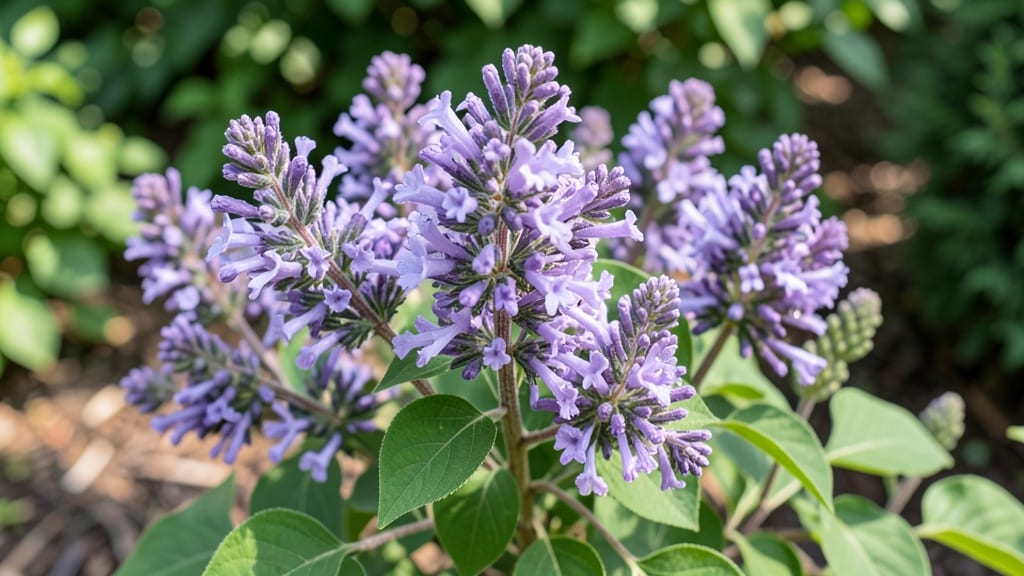
Deer-resistant lilac bushes like 'Bloomerang,' 'Dwarf Korean Lilac,' and 'Miss Kim' naturally deter deer through their strong fragrance, fuzzy foliage, and bitter compounds. Planting these varieties near high-traffic garden areas creates a natural barrier that reduces browsing damage without harsh chemicals.
Deer tend to avoid these specific lilac varieties because their unique characteristics make them less appealing—and even unpalatable—to foraging animals.
The fuzzy leaves of 'Miss Kim' create an unpleasant texture, while the intense fragrance of 'Bloomerang' masks the scent of the plant, making it harder for deer to detect. 🌿 Even more effective are the bitter compounds found in 'Dwarf Korean Lilac,' which many deer simply won't tolerate.
This natural resistance means you can enjoy your garden without constantly needing to resort to sprays or fences.
For best results, plant these varieties in clusters or along garden borders where deer are most likely to browse. Pairing them with other deer-resistant plants like lavender or rosemary creates a multi-layered defense system.
Regular pruning helps maintain their dense foliage and strong scent, which are key factors in keeping deer away naturally.
💡 In This Article
- Why Deer Avoid Certain Lilac Varieties
- Planting Lilacs to Maximize Deer Resistance
Why deer avoid certain lilac varieties
Deer have highly sensitive senses of smell and taste, making them naturally wary of plants that disrupt their feeding patterns. The fuzzy foliage of 'Miss Kim' lilac creates a coarse texture that deer avoid—similar to how they reject plants with rough or prickly leaves.
This tactile deterrent forces them to bypass the plant entirely, as their mouths aren't designed to handle such resistance. 🌿 The dense, velvety leaves also make it difficult for deer to chew, creating an immediate physical barrier.
Fragrance plays a crucial role too. Varieties like 'Bloomerang' produce an intense, sweet scent that deer find overwhelming. The strong aroma masks the plant's natural scent, making it harder for deer to detect as potential food.
Studies show that deer rely on scent to identify edible plants, and when a lilac's fragrance becomes too potent, they instinctively avoid it. This is why heavily scented lilacs are often left untouched in gardens where deer browse freely.
The chemical composition matters most with varieties like 'Dwarf Korean Lilac.' These plants contain higher concentrations of bitter compounds (such as saponins and tannins) that deer find unpalatable. These compounds create a bitter taste that deer associate with danger or poor nutrition, triggering their avoidance instincts.
For comparison, vulnerable lilac varieties have milder chemical profiles, making them more appealing to foraging animals.
Another key factor is the plant's leaf structure. Deer prefer plants with tender, easily digestible leaves, but the waxy coating on resistant lilacs makes them less appealing. This natural defense mechanism is similar to how some garden plants develop thick leaves to deter herbivores.
The combination of these botanical traits—texture, scent, and chemistry—creates a multi-layered deterrent that deer simply can't overcome.
Seasonal changes also influence deer behavior. In spring, when lilacs are in full bloom, their fragrance peaks, making them even more effective at repelling deer. However, once the flowers fade and the scent weakens, deer may become bolder.
This is why maintaining healthy foliage year-round is essential for consistent protection. Regular pruning helps preserve the plant's natural defenses, ensuring it remains unappealing to deer throughout the growing season.
For gardeners, understanding these mechanisms means you can strategically choose lilac varieties that align with deer behavior.
Planting a mix of fragrant, fuzzy-leaved, and bitter-compound lilacs creates a comprehensive defense system that addresses all of deer's sensory and physiological preferences. 🌟 This natural approach eliminates the need for chemical repellents while keeping your garden safe.