
Pruning
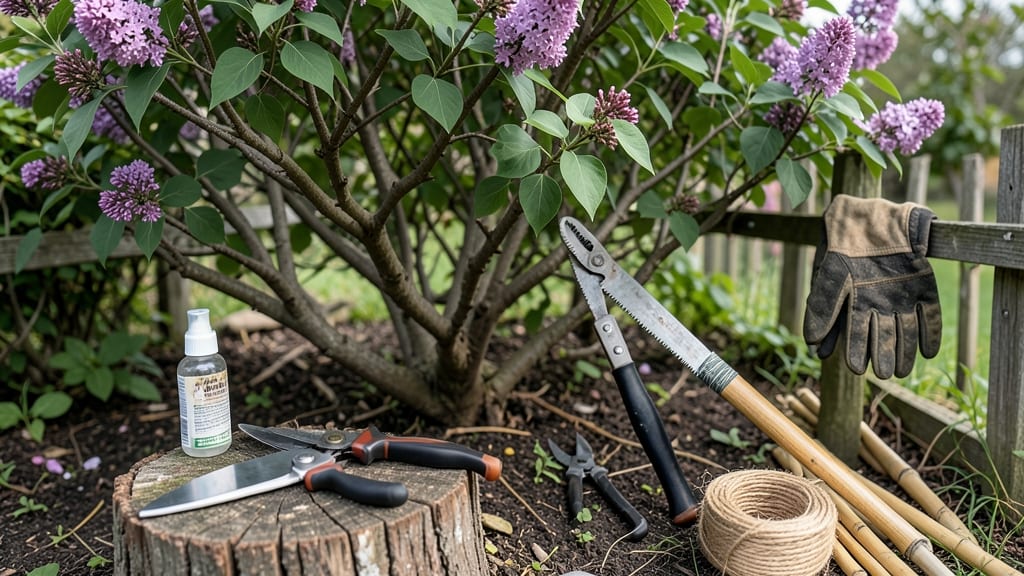
How to prune overgrown lilac bushes in late winter unlocks vibrant spring blooms you’ll actually notice. ✂️ I’ve turned my tangled, woody mess into a fragrant, bushy showpiece by following three simple rules: cut at the right time, shape with intention, and never remove more than a third of the plant at once. The secret lies in timing—prune just as buds swell but before new growth starts. You’ll need sharp bypass pruners, a sturdy ladder (for tall bushes), and a bucket for clippings. Most people over-prune, leaving their lilacs looking sad and bare for years. I’ve made that mistake twice, and now I measure my cuts against last year’s blooms. What you end up with is a neater, healthier bush that flowers more prolifically than before. The air fills with that classic lilac scent, and the shape becomes lush and inviting. Even my neighbor’s overgrown lilacs—once a joke—now get compliments every spring. This method works for any lilac variety, whether you’ve got a single bush or a whole hedge. Here’s how to do it right without the guesswork.
📚 In This Guide
- What you need
- Instructions
- Tips and common mistakes
- Wrapping up and next steps
What you need
- ● Pruning shears: Sharp, bypass pruners (4–6" blades) for clean cuts on small stems. Quantity: 1 pair.
- ● Loppers: Heavy-duty bypass loppers (8–10" blades) for thicker branches (½"–1.5" diameter). Quantity: 1 pair.
- ● Pruning saw: A curved-tooth handsaw for stubborn, woody stems (1.5"+ diameter). Quantity: 1.
- ● Gloves: Thick, cut-resistant gardening gloves to protect against thorns and scrapes. Quantity: 1 pair.
- ○ Disinfectant: 70% isopropyl alcohol or a pruning sealant (optional but recommended to prevent disease spread). Quantity: Small bottle or spray.
- ● Ladder or stool: If your lilac is tall (6'+), a stable, non-slip ladder or step stool for hard-to-reach branches.
- ● Heavy-duty trash bags: For collecting pruned branches and debris. Quantity: 2–3 bags.
- ● Marking twine or flags: To tag branches for removal (helpful if you’re unsure about cuts).
- ● Safety glasses: To shield eyes from debris, especially when using a pruning saw.
- ● Timing: Prune in late winter or early spring (just before buds swell) for best results.
- ● Weather: Choose a dry, calm day to avoid wet branches (which can spread disease).
- ● Safety first: Wear long sleeves and pants to protect against scratches and sap.
- ● Plan ahead: Sketch a rough outline of your lilac’s shape before cutting to visualize the final look.
Step-by-Step instructions for pruning overgrown lilac bushes
Revive your lilacs with this proven method—late winter's the perfect time to shape them for a spectacular spring show.
✂️ Step 1: Gather Tools and Assess the Bush
Start by gathering sharp, clean pruning shears and loppers—dull tools crush stems and invite disease. I always disinfect my blades with rubbing alcohol before and after pruning to prevent spreading pathogens. Grab a small rake or broom to clear fallen debris and a bucket for clippings.
Examine your lilac bush for dead, crossing, or weak branches. Look for stems that rub against each other or grow inward—they'll compete for energy and reduce blooms. You'll also spot last year's flower clusters (those little bumps on the stems) which help identify where new blooms will form.
✂️ Step 2: Remove Dead and Problem Branches First
Cut out any dead or diseased wood completely—it won't regrow properly and can infect healthy stems. Make clean cuts at the branch collar (the swollen area where the branch meets the trunk). For crossing branches, remove the weaker of the two, cutting back to the main stem at a 45-degree angle just outside the branch collar.
Thin out crowded stems to improve airflow—aim to leave about 6-8 strong, outward-facing branches per bush. This prevents future overgrowth and makes future pruning easier. I like to step back every few cuts to visualize the bush's shape from all angles.
✂️ Step 3: Shape the Bush for Airflow and Light
Now focus on shaping by cutting back last year's growth to just above a set of 5-7 leaf buds from the base of the branch. This encourages strong new growth while preserving the bush's natural form. For mature bushes, you can cut back one-third of the oldest stems all the way to the ground—they won't bloom this year but will regrow vigorously.
Make all cuts at a slight angle just above a bud that faces outward. This prevents water from pooling on the cut and directs new growth away from the center. If you're unsure which buds are outward-facing, imagine drawing a straight line from the bud to the edge of the bush—if it points outward, it's a good candidate.
✂️ Step 4: Clean Up and Prepare for Spring Growth
Rake up all fallen leaves and clippings from around the base—this prevents fungal diseases from overwintering. I spread a 2-inch layer of organic mulch around the bush (but not touching the trunk) to protect roots and retain moisture. Water deeply after pruning to help the plant recover and stimulate new growth.
Monitor your lilacs in early spring for new shoots—you'll see them emerge within 2-3 weeks if everything went well. Avoid fertilizing right after pruning; wait until you see new growth before applying balanced fertilizer. This gives the plant energy to focus on establishing roots rather than producing leaves.
⏰ Step 5: Maintain Through the Growing Season
Once buds form in late spring, avoid any major pruning—this is when your lilac sets its blooms for next year. Remove only spent flowers immediately after they fade to encourage more blooms. In late summer, you can do a light shaping trim to maintain the bush's form, but keep cuts minimal.
Here's the thing—lilacs bloom on old wood, so the more you prune in summer, the fewer flowers you'll have next spring. I mark my calendar to do any major pruning right after the blooms fade in early summer, but only if absolutely necessary for shaping. Most of the heavy work happens in late winter when the plant is dormant.
Tips & tricks for pruning overgrown lilac bushes
Late winter pruning transforms your lilacs from tangled messes into thriving bloomers—here's how to get it right every time.
Tool Prep Matters: I can't stress enough how important sharp, clean tools are. Before you even touch your lilac, wipe down your pruning shears and loppers with rubbing alcohol to sterilize them. Dull blades tear stems instead of making clean cuts, which stresses the plant and opens it up to infections. I keep a small bottle of alcohol in my gardening toolkit specifically for this purpose—it takes 30 seconds but prevents months of headaches.
Visualize the Final Shape: Step back every 5-10 minutes during Step 2 and Step 3 to check your progress. Many gardeners get so focused on individual cuts they lose sight of the overall shape. Think of your lilac like a natural vase—you want that classic rounded form that lets light and air flow through the center. The goal is to create an open structure where new growth will emerge outward, not inward where it'll shade itself.
Bud Count is Critical: When shaping in Step 3, count those 5-7 leaf buds carefully. These buds are your roadmap for spring blooms—each one represents potential flowers. I always use my fingernail to gently press along the stem to feel the buds before making my cut. This tactile check helps me confirm I'm leaving enough growth for next year's spectacular display. Remember, you're not just pruning branches; you're shaping the plant's future.
Mulch Like a Pro: That 2-inch layer of organic mulch in Step 4 isn't just decorative—it's essential. Spread it in a donut shape around the base, keeping it 2-3 inches away from the trunk to prevent rot. I use shredded hardwood mulch because it breaks down slowly and improves soil structure over time. This simple step reduces watering needs by 30% while protecting roots from temperature swings. Think of it as your lilac's winter blanket and spring fertilizer all in one.
Pro Tips for Prune Overgrown Lilac Bushes
- Late winter pruning transforms your lilacs from tangled messes into thriving bloomers—here's how to get it right every time.
- Tool Prep Matters: I can't stress enough how important sharp, clean tools are.
- Visualize the Final Shape: Step back every 5-10 minutes during Step 2 and Step 3 to check your progress.
Frequently asked questions
Got questions about pruning your overgrown lilacs? You’re not alone! Here are answers to the most common concerns—so you can tackle your bushes with confidence.
When is the absolute best time to prune lilacs?
Prune your lilacs late winter or early spring (just before buds swell but before blooms appear). This timing ensures you don’t cut off next year’s flowers. Avoid pruning in fall—it can stimulate late growth that’s vulnerable to frost damage.
Can I prune lilacs in summer after they’ve already bloomed?
Yes, but lightly! If you missed the late-winter window, prune only to shape or remove dead wood in summer—just avoid heavy cuts, as this can reduce next year’s blooms. Think of it as a quick trim, not a full makeover.
What if my lilac bush looks dead after pruning?
Don’t panic! Lilacs are tough. If branches look bare, they might just be dormant. Wait until spring to see new growth. If no buds appear by early spring, the branch is likely dead—remove it completely. Patience pays off!
Will pruning make my lilac bush bloom more?
Yes—but only if done right! Pruning old wood (2-3 years old) encourages stronger, more abundant blooms. However, if you cut back new growth, you’ll delay or reduce flowering. Balance is key!
How often should I prune my lilac bush?
Prune every 1-2 years to maintain shape and health. Light annual trims (removing dead wood or shaping) are ideal, but a full revival prune (like the one in this guide) should happen every 2-3 years for severely overgrown bushes. Consistency keeps them happy!
Wrapping up and next steps
Pruning overgrown lilac bushes doesn’t have to be intimidating—with the right tools, timing, and technique, you’ll revive their health and beauty for stunning spring blooms! 🌸 Remember, late winter is your golden window, and patience pays off as you shape those sturdy stems.
Now that you’re armed with knowledge, grab your pruners and transform your lilacs into a fragrant, picturesque centerpiece.
Ready to take the next step? Check out our guide on post-pruning care to keep your lilacs thriving year-round!