
Light Requirements
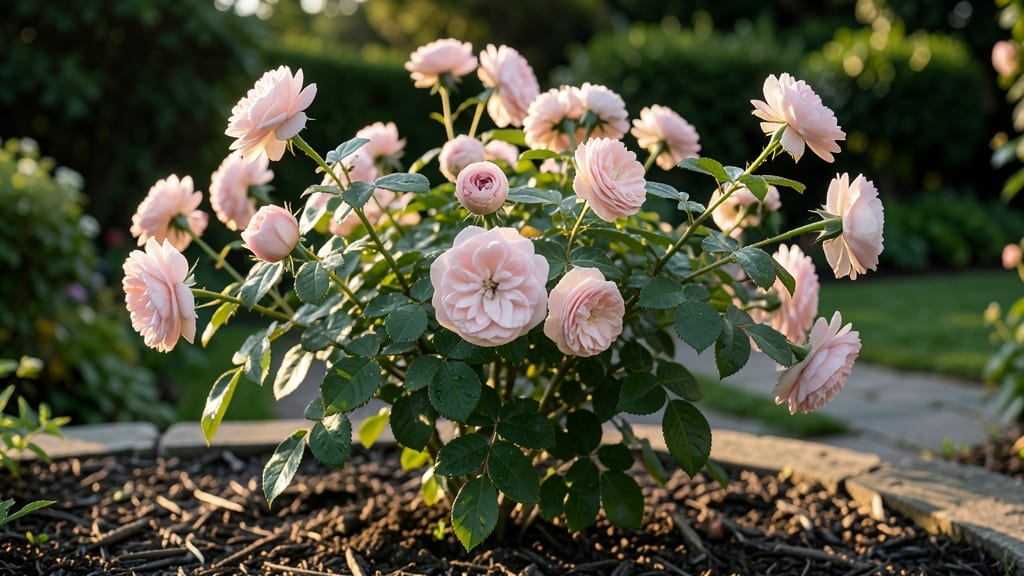
A light pink rose bush thrives when you choose cold-hardy varieties like 'Iceberg' or 'Drift Rose,' plant it in full sun with well-draining soil, and water it deeply 1-2 times weekly. Annual pruning for shape and dead bloom removal keeps it flowering beautifully.
A light pink rose bush isn't just about the color—it's about selecting the right cultivar for your climate. 🌸 The 'Iceberg' variety, for example, handles heat well while 'Sweet Drift' needs minimal care, making it perfect for busy gardeners.
These roses also bloom repeatedly if you deadhead regularly, which means more color throughout the growing season. The key is matching your local conditions to the plant's needs, whether that's extra shade in hot summers or winter protection in colder zones.
Once planted, these roses reward you with fragrant blooms that last longer when given proper sunlight and soil. The secret lies in the details: spacing plants correctly prevents disease, and mulching helps retain moisture.
I've found that even light pink roses benefit from a balanced fertilizer in early spring to kickstart their growth.
💡 In This Article
- Best Light Pink Rose Varieties for Different Climates
- Step-by-Step Light Pink Rose Bush Planting Guide
Best light pink rose varieties for different climates
Light pink roses aren't just about color—they're about resilience and adaptability. Varieties like 'Iceberg' thrive in USDA zones 3-9, thanks to its cold-hardy roots and heat tolerance up to 90°F.
Its semi-double blooms appear in clusters, creating a lush, cloud-like appearance that's perfect for cottage gardens. 🌸 The secret to its success lies in its hybrid tea lineage, which gives it both the structure of showy blooms and the durability of landscape roses.
For gardeners in warmer climates (zones 7-11), 'Blushing Icy' stands out with its ability to handle humidity and high temperatures while still producing 100+ blooms per season. This variety's light pink petals have a subtle lavender undertone that deepens in full sun, creating a stunning visual effect.
What makes it unique is its disease resistance—it rarely suffers from black spot or powdery mildew, common problems in tropical climates.
Low-maintenance gardeners often gravitate toward 'Sweet Drift' roses, which thrive in zones 4-9 and produce continuous blooms from spring to frost. The key to their success is their shrub rose genetics, which means they're more forgiving about soil quality and watering schedules.
Their light pink flowers have a delicate, almost ethereal quality, and they release a faint sweet fragrance that's perfect for cutting gardens.
When selecting varieties, consider your local microclimate. Coastal areas benefit from salt-tolerant types like 'Sea Foam,' while inland regions might prefer 'Peace' roses for their drought tolerance once established.
The fragrance factor also varies—'Iceberg' has a strong, classic rose scent, while 'Sweet Drift' offers a milder, more subtle aroma that lingers in the air on warm evenings.
For advanced gardeners, consider the reblooming capability of each variety. 'Iceberg' typically produces 3-4 bloom cycles per year with proper care, while 'Sweet Drift' can rebloom continuously with minimal deadheading.
This difference means 'Sweet Drift' requires less maintenance for the same visual impact, making it ideal for busy gardeners or urban landscapes.
One often-overlooked factor is the rootstock used in propagation. Many commercial light pink roses are grafted onto Rosa multiflora or Fortuniana rootstock, which provides disease resistance but can produce suckers.
If you're planting in zones 5 and below, look for varieties grafted onto Dr. Huey rootstock for better cold tolerance and fewer suckers.
Remember that color intensity varies with sunlight exposure. Light pink roses in partial shade may develop more lavender tones, while those in full sun maintain their true pastel hue. This natural variation adds another layer of beauty to your garden, creating subtle color gradients across different planting locations. 🌿