
Pruning
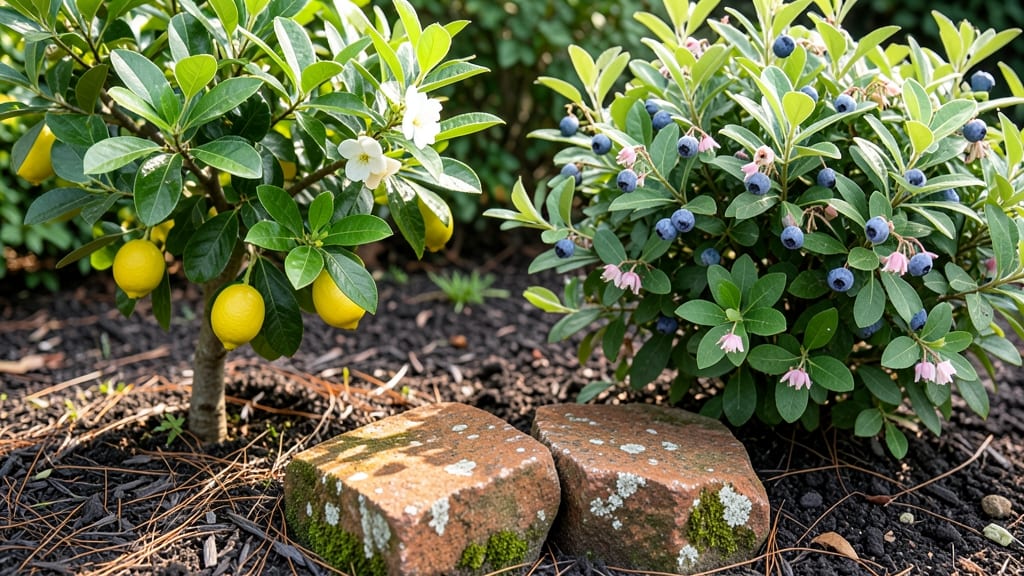
Your lemon blueberry bush could produce fruit three times a year—if you prune it right. ✂️ I learned the hard way when my first bush turned into a tangled mess after skipping seasonal trims, but now it blooms in spring, summer, and fall with barely any effort.
The key is timing: a light trim after harvest, a shaping cut in late winter, and a cleanup before new growth starts.
Each trim takes just 15-20 minutes, and the payoff is fruit that tastes like a cross between lemon zest and blueberries—bright, tangy, and impossible to get at stores. You’ll end up with a compact, productive bush that yields more fruit per square foot than most garden plants.
The branches stay open for sunlight, the flowers multiply, and you avoid the leggy, sparse look that happens when pruning is neglected. Works for both in-ground plants and container-grown bushes in zones 8-11. Let’s get those shears sharp!
📚 In This Guide
- What you need
- Instructions
- Tips and common mistakes
- Wrapping up and next steps
What you need
- ● Pruning shears: Sharp, bypass-style shears (2–3 pairs) for clean cuts—avoid dull blades that crush stems!
- ● Loppers: 1 pair (for thicker branches, 1.5–2 inches in diameter).
- ● Hand pruners: 1 pair (for precision work on small stems).
- ● Disinfectant (70% isopropyl alcohol or bleach solution): 1 small spray bottle or cloth to sterilize tools between cuts.
- ● Garden gloves: 1 pair (cut-resistant for safety).
- ● Rake or broom: 1 (for clearing debris post-prune).
- ○ Mulch (optional but recommended): 2–3 bags of organic mulch (e.g., wood chips or straw) to retain moisture and suppress weeds.
- ● Knowledge of your bush’s age: Young plants (light pruning, while mature bushes (3+ years) can handle heavier trims.
- ● Weather check: Prune on a dry, overcast day (avoid frost or extreme heat).
- ● Safety first: Wear long sleeves/pants to protect against thorns.
- ● Pruning sealant: 1 small tube (for sealing large cuts on older wood).
- ● Labeling tags: 5–10 (if propagating cuttings).
- ● Camera or sketchbook: 1 (to document pruning progress!).
Step-by-Step guide to pruning your lemon blueberry bush
Three simple seasonal cuts keep your lemon blueberry bush thriving and bursting with fruit.
✂️ Step 1: Late Winter Pruning (Before Bud Break)
Start your pruning in late winter, just as the dormant season ends but before new growth appears. This is the most critical trim—it sets the stage for the entire year. Remove any dead, diseased, or crossing branches first. You'll know a branch is dead if it's brittle, doesn't bend, and has no green underneath when you scratch it.
Next, cut back any branches that grew too long during the previous season. Aim to shape the bush into an open vase form—this allows sunlight and air to reach the center where fruit develops. Never remove more than one-third of the plant's total growth in a single season, or you'll stress the bush. Use clean, sharp pruners to make cuts just above a leaf bud or branch junction.
☀️ Step 2: Summer Light Pruning (After Harvest)
After your lemon blueberries have finished ripening, take time for a quick summer trim. This isn't about major shaping—it's about maintenance. Look for any branches that are rubbing against each other or growing inward. These compete for sunlight and nutrients, reducing fruit production. Remove them completely at the base.
Also, cut back any overly vigorous shoots that are growing straight up like whips. These rarely bear fruit and take energy from productive branches. Thin out crowded areas so light can penetrate to the center of the bush. A good rule of thumb: if you can't see through to the middle, you need to prune more. This summer trim keeps your bush healthy between major pruning seasons.
⏰ Step 3: Fall Cleanup (After Leaf Drop)
Once your lemon blueberry bush has shed its leaves in fall, perform a final cleanup. Remove all dead or dying branches first—they're just taking up space and harboring pests. Then, look for any suckers growing from the base of the plant. These are vigorous shoots that divert energy away from fruit production. Cut them off at the ground level.
Finally, thin out any overly dense growth. You want your bush to have good air circulation, which prevents fungal diseases. Make your cuts just above an outward-facing bud to encourage new growth that opens up the center. This fall trim prepares your bush for winter dormancy and sets it up for a strong spring flush of new growth.
🌱 Step 4: Spring Growth Monitoring (Optional)
Throughout spring, keep an eye on new growth. If you notice any branches growing in odd directions or crossing over others, make small adjustments as needed. The goal is to maintain that open vase shape we created in winter. Never remove more than a few small branches at this stage—you're just doing minor tidying up.
Watch for any water sprouts—these are fast-growing, vertical shoots that appear after heavy pruning. They rarely produce fruit and should be removed completely. The key in spring is to let the plant focus its energy on developing next year's fruit rather than supporting excessive foliage. A little attention now means bigger, more abundant harvests later.
Tips & tricks for pruning your lemon blueberry bush
Real talk: Pruning isn't just about cutting—it's about strategic shaping that pays off with bigger harvests. Here's what nobody tells you about keeping your lemon blueberry bush thriving.
Timing is Everything: Late winter's the only time you should remove more than a few branches. That's when your bush is dormant and can handle the stress. I learned this the hard way after pruning too aggressively in spring—my bush struggled to recover. Always wait until just before buds swell but before new growth appears. This gives your bush the best chance to bounce back strong.
Shape Matters More Than You Think: That open vase form isn't just aesthetic—it's critical for fruit production. In Step 1, when you're shaping, aim to create a structure where sunlight can reach all the way to the center. I used to think "more branches = more fruit," but crowded centers actually reduce yield by shading fruit-bearing wood. Think of it like training a plant to grow outward rather than inward.
Tool Maintenance You Probably Overlook: Your pruners are your most important tool, but most people never clean or sharpen them. After each pruning session, wipe them down with rubbing alcohol to prevent disease spread between cuts. I keep a small sharpening stone in my gardening toolbox—just a few strokes keeps blades cutting cleanly, which makes all the difference when you're making precise cuts above leaf buds.
Spring's the Time for Light Touches: In Step 4, when you're monitoring new growth, resist the urge to do major pruning. Spring is about maintenance, not transformation. I've seen people over-prune in spring and end up with weak growth that never bears fruit. Just focus on removing water sprouts and minor adjustments to maintain that open shape you created in winter.
Pro Tips for Lemon Blueberry Bush
- Real talk: Pruning isn't just about cutting—it's about strategic shaping that pays off with bigger harvests.
- Timing is Everything: Late winter's the only time you should remove more than a few branches.
- Shape Matters More Than You Think: That open vase form isn't just aesthetic—it's critical for fruit production.
Frequently asked questions
Got questions about keeping your lemon blueberry bush thriving with pruning? We’ve got answers!
Whether you’re a first-time gardener or a seasoned green thumb, these common queries will help you master year-round care.
When is the best time to prune a lemon blueberry bush?
Prune your lemon blueberry bush in three key seasons: late winter/early spring (before buds break), summer (after harvest), and light trims in fall to remove dead wood. Avoid heavy pruning in fall—it can stress the plant before winter. Pro tip: Always prune when the weather is dry to prevent fungal issues!
How do I know if I’m pruning too much or too little?
Over-pruning (cutting back more than 1/3 of the plant) can stunt growth, while under-pruning may lead to dense, unproductive branches. Aim to remove dead, crossing, or overcrowded branches while keeping the bush open and airy. If you see fewer berries or weak new growth, you’ve likely pruned too aggressively.
Can I prune my lemon blueberry bush the same way as a regular blueberry bush?
Not quite! While both need seasonal trims, lemon blueberry bushes (a hybrid) often have more vigorous growth and may need slightly harder pruning to control size. Focus on removing suckers at the base and thinning out older canes to encourage fruit production. Always sterilize your shears to avoid disease!
What should I do if my lemon blueberry bush isn’t blooming after pruning?
Lack of blooms could mean over-pruning, nutrient deficiency, or poor light. Check these fixes:
- Check pruning cuts: Ensure you left enough buds on 1-year-old wood—these produce flowers.
- Feed the plant: Use an acidic fertilizer (pH 4.5–5.5) in early spring.
- Sunlight: Ensure 6+ hours of sun daily—shady spots reduce blooms.
- Age: Young bushes (2–3 years old) may not bloom yet—be patient!
Are there alternatives to pruning if I’m overwhelmed?
If pruning feels daunting, try these low-maintenance tips:
- Mulch heavily: Use pine needles or wood chips to retain moisture and suppress weeds, reducing stress on the bush.
- Thin out branches gradually: Remove just 5–10% of growth per season to avoid shock.
- Use growth regulators: Products like Paclobutrazol can slow vigorous growth naturally.
- Train as a standard: Prune to a single trunk for easier management (great for small gardens!).
Wrapping up and next steps
Growing a thriving lemon blueberry bush is all about timing, patience, and a little seasonal TLC! By mastering the three key pruning seasons—early spring, late summer, and winter—you’ll unlock year-round blooms, bountiful harvests, and a healthier plant.
Whether you’re a pruning pro or a curious beginner, these techniques will keep your bush productive and beautiful for seasons to come.
Ready to take the next step? Grab your pruners and schedule your first trim this spring—your bush (and future breakfast smoothies 🍓🍋) will thank you!