
Shrubs
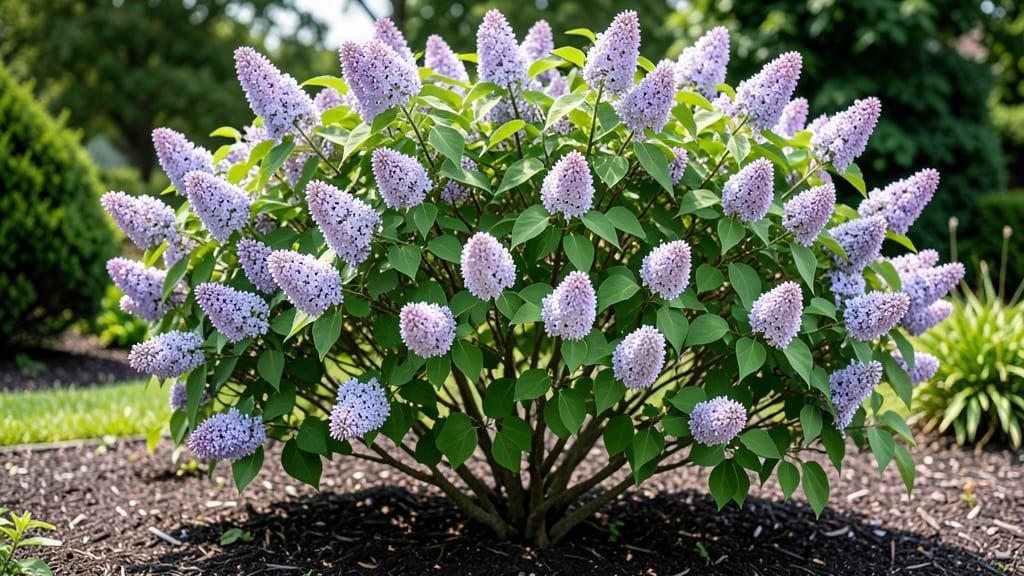
The Lavender Lady lilac bush transforms any garden into a fragrant, dreamy retreat with its soft lavender blooms and silvery foliage. 🌿 I planted mine along my backyard fence, and within two seasons, it became the star of my privacy screen—no pruning required.
The delicate purple-pink flowers smell like spring in a bottle, while the compact growth keeps it manageable even in tight spaces. This lilac thrives as a border, hedge, or standalone focal point, pairing beautifully with silver foliage plants, purples, and creamy whites.
Its blooms appear earlier than most lilacs, giving you weeks of color before other spring flowers even think about waking up. The scent alone makes it worth the space, but the low-maintenance nature seals the deal.
You’ll love how it stays tidy without heavy pruning—just a light trim after flowering keeps it looking its best. The fragrance lingers in the evening breeze, creating a serene atmosphere perfect for relaxing outdoors. Perfect for cottage gardens, modern landscapes, or even urban courtyards.
Works well in full sun to partial shade, making it versatile for different garden spots. Pair it with lavender, catmint, or roses for a cohesive, fragrant garden theme that’s both practical and stunning.
📚 In This Guide
- What you need
- Instructions
- Tips and common mistakes
- Wrapping up and next steps
What you need
- ● Lavender Lady lilac bush: 1-2 nursery-grown plants (3–4 ft tall, hardy in USDA Zones 3–7). Choose healthy specimens with vibrant foliage and no signs of pests.
- ● Planting site: Full sun (6+ hours/day)
- ● Well-draining soil (amend heavy clay with compost or sand if needed)
- ● Space: 6–8 ft apart for single-row privacy; 8–10 ft for thicker hedges.
- ● Tools: Garden trowel or spade
- ● Pruning shears (sterilized with rubbing alcohol)
- ● Measuring tape
- ● Garden hose or watering can
- ○ Soil amendments (optional but helpful): Compost (1–2 gallons per plant)
- ● Slow-release fertilizer (10-10-10 or lilac-specific, ½ cup per plant)
- ● Mulch (2–3 inches of shredded bark or pine straw to retain moisture)
- ● Epsom salt (1 tbsp dissolved in water for magnesium boost, if leaves yellow)
- ● Plant stakes (if windy area) or landscape fabric (to suppress weeds)
- ● Gloves (to protect hands during pruning)
- ● Lilac-specific fungicide (preventative spray in humid climates)
How to plant and grow a Lavender Lady lilac bush
This fragrant, low-maintenance beauty thrives with just a few key steps—let’s get your privacy screen growing strong!
🌱 Step 1: Choose the Perfect Planting Spot
Lavender Lady lilacs love full sun—at least 6 hours daily—and well-draining soil. I always pick a spot with morning sun and afternoon shade if summers run hot where I live. The bush will reward you with heavy blooms and that signature lilac fragrance when happy.
Check your soil by digging a 6-inch hole—if water pools instead of draining, amend with 2-3 inches of compost or sand to improve drainage. Lavender Lady hates soggy roots, so raised beds or mounded soil work great if your yard stays damp.
🪴 Step 2: Plant at the Right Depth and Spacing
Dig a hole twice as wide as the root ball but only as deep—planting too deep suffocates roots. Gently loosen the roots if they’re circling the pot, then place the bush in the hole so the top of the root ball sits 1 inch below soil level. This ensures stability without burying the stem.
Space your bushes 6-8 feet apart for a lush privacy screen—closer planting leads to crowded, leggy growth. I like to add a handful of bone meal to the bottom of the hole for extra phosphorus, which boosts root growth and future blooms.
💧 Step 3: Water Deeply and Mulch Lightly
Water thoroughly right after planting to settle the soil, then let it dry out slightly before watering again. Lavender Lady lilacs are drought-tolerant once established, but young plants need 1 inch of water weekly during the first growing season. You’ll know it’s time to water when the top 2 inches of soil feel dry.
Spread 2-3 inches of mulch around the base, keeping it 3 inches away from the stem to prevent rot. I use shredded bark or pine straw—avoid heavy mulch that smothers roots. This keeps moisture in while protecting against weeds.
☀️ Step 4: Feed and Prune for Long-Term Beauty
Apply a balanced fertilizer (10-10-10) in early spring when new growth appears. Too much nitrogen makes lilacs leafy but flower-sparse, so follow package rates—usually ½ pound per 100 square feet. I skip summer feeding; the plant focuses energy on blooming, not foliage.
Prune right after flowering in late spring. Cut back one-third of the oldest stems to the ground—this rejuvenates the bush and encourages thicker growth. Avoid heavy pruning in fall or winter; it stresses the plant before dormancy. Dead or crossing branches get trimmed year-round with clean, sharp shears.
⏰ Step 5: Protect and Enjoy Year-Round
Lavender Lady handles winter well but benefits from a 3-inch layer of mulch in cold climates. I also wrap young bushes in burlap if temps drop below 10°F to prevent sunscald. Once established, these lilacs thrive with minimal fuss—just remove spent blooms in early summer to encourage a second flush.
Watch for powdery mildew in humid summers. I spray affected leaves with a 1:10 water-vinegar mix and improve airflow by thinning crowded branches. With proper care, your Lavender Lady will perfume your privacy screen for decades—just sit back and enjoy the fragrance!
Tips & tricks for perfect Lavender Lady lilac bush planting
These simple secrets will help you grow a fragrant, thriving privacy screen that blooms beautifully year after year!
Soil Test Tip: Before planting, do a quick soil test by digging a 6-inch hole and filling it with water. If it drains completely within 30 minutes, you're good to go! If water pools at the bottom after an hour, your soil is too dense—amend with 2-3 inches of compost or sand as instructed. I've seen Lavender Lady bushes struggle in heavy clay soils, so don't skip this test—it's the foundation for healthy roots!
Planting Depth Secret: The 1-inch below soil level placement in Step 2 is crucial—this prevents stem rot while keeping the plant stable. I learned this the hard way when my first bush leaned dramatically after heavy rain! Use a level to check your planting depth, and avoid mounding soil around the stem. For added stability, gently press the surrounding soil firmly after planting.
Watering Wisdom: Those first few weeks after planting are critical for root establishment. While the instructions call for 1 inch of water weekly, I recommend watering more frequently in hot climates—every 3-4 days instead. Check soil moisture by sticking your finger 2 inches deep; if it's dry, water deeply. Overwatering is the #1 killer of young lilacs, so let the top 2 inches dry out between waterings.
Pruning Pro Tip: When you prune one-third of the oldest stems in late spring, look for stems that are thicker than your thumb—these are the ones to cut back completely. I use clean, sharp shears and make cuts just above a bud or leaf node. This encourages bushier growth while maintaining that beautiful, rounded shape. Never prune more than one-third at a time, even if the bush looks overgrown!
Pro Tips for Lavender Lady Lilac Bush
- These simple secrets will help you grow a fragrant, thriving privacy screen that blooms beautifully year after year!
- Soil Test Tip: Before planting, do a quick soil test by digging a 6-inch hole and filling it with water.
- Planting Depth Secret: The 1-inch below soil level placement in Step 2 is crucial—this prevents stem rot while keeping the plant stable.
Frequently asked questions
Got questions about the Lavender Lady lilac bush? You’re not alone! Whether you’re a first-time gardener or a seasoned pro, these answers will help you grow a fragrant, low-maintenance privacy screen with ease.
How fast does the Lavender Lady lilac bush grow?
The Lavender Lady grows at a moderate rate, typically adding 12–24 inches per year under ideal conditions. With proper care, it can reach 6–8 feet tall and wide within 3–5 years, making it a great choice for quick yet durable privacy. Planting multiple bushes close together speeds up the screening effect!
Does Lavender Lady need frequent pruning?
One of its biggest perks? Minimal pruning! Lightly trim after flowering (late spring) to shape it, but avoid heavy cuts—this bush thrives with little intervention. For best results, prune only dead or overgrown branches in early spring. Pro tip: Never prune in fall, as it can stimulate weak growth before winter.
Can Lavender Lady lilacs grow in full sun or partial shade?
This variety loves full sun (6+ hours daily) for the best blooms and fragrance, but it can tolerate partial shade (4–6 hours of sun). In shadier spots, expect fewer flowers but still lush foliage. If planting in partial shade, choose a location with morning sun exposure for optimal growth.
Are Lavender Lady lilacs deer-resistant?
While no plant is 100% deer-proof, the Lavender Lady’s strong fragrance and slightly bitter leaves often deter deer better than many other lilacs. However, in severe drought or hunger conditions, deer may nibble. For extra protection, apply a deer repellent spray or plant near deer-resistant companions like boxwood or Russian sage.
Why aren’t my Lavender Lady lilacs flowering?
No flowers? Check these common culprits:
- Too much shade—ensure it gets at least 4–6 hours of sun.
- Over-fertilizing—lilacs need low-nitrogen fertilizer (like 5-10-10) in early spring.
- Young age—they may take 2–3 years to bloom after planting.
- Over-pruning—avoid cutting back old wood (more than 1/3 of the bush).
If the issue persists, check for pests (like spider mites) or disease (powdery mildew), which can stress the plant.
Wrapping up and next steps
The Lavender Lady lilac bush is a dream come true for gardeners seeking a fragrant, low-maintenance privacy screen that thrives with minimal effort. Its delicate blooms, hardy nature, and easy care make it a standout choice for any landscape—whether you're a seasoned gardener or just starting out. 🌸
Ready to transform your space? Plant your Lavender Lady lilac bush this season and enjoy years of effortless beauty and fragrance. Start by checking your local nursery or online plant suppliers, then pick the perfect spot to watch it flourish!