
Pruning
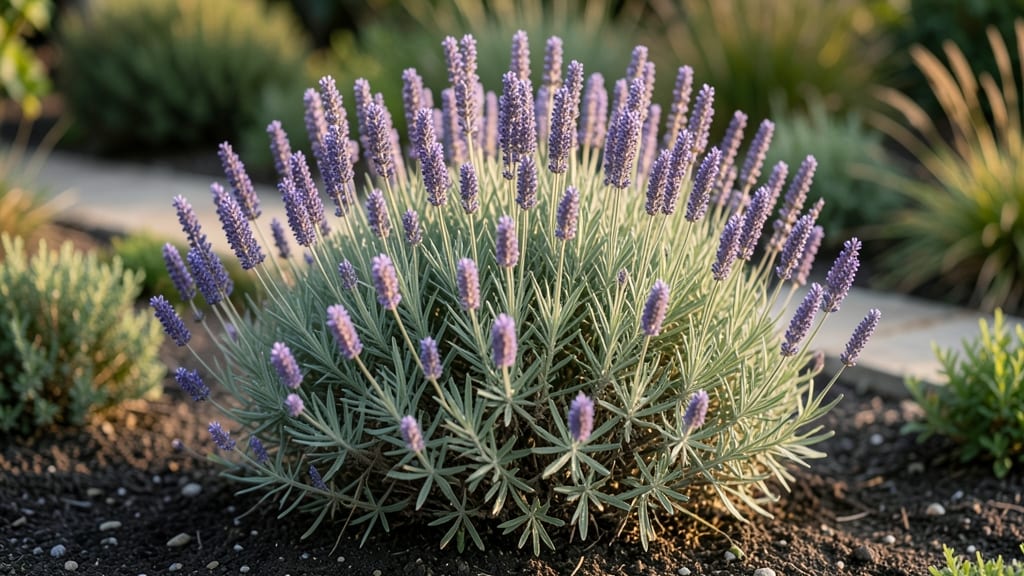
Your lavender lilac bush could be blooming nonstop—if you prune it right. ✨ The secret lies in deadheading at the perfect moments, which keeps those fragrant purple spikes coming back stronger than ever.
I’ve seen bushes go from sparse, leggy plants to lush, flower-covered shrubs just by changing when I snip spent blooms. Most gardeners prune too late, missing the window to encourage next year’s flowers.
Lavender lilacs bloom on new wood, so timing matters: cut back right after flowering (late spring for most varieties), but never after summer’s heat sets in. A sharp pair of shears and 10 minutes of focus is all it takes to transform a tired bush into a showstopper.
You’ll end up with denser foliage, more blooms, and a bush that stays compact instead of sprawling. The fragrance alone makes it worth the effort—imagine walking past and getting hit with that sweet, floral scent all season long. Works for both standalone lavender lilacs and mixed shrub borders.
Let’s get those blooms back on track!
📚 In This Guide
- What you need
- Instructions
- Tips and common mistakes
- Wrapping up and next steps
What you need
- ● Pruning shears – Bypass-style (sharp, 5–7" blades) for clean cuts. Quantity: 1 pair.
- ● Loppers – For thicker stems (½"–1"). Quantity: 1 pair.
- ● Hand pruners – For delicate trimming. Quantity: 1 pair.
- ● Gloves – Garden-grade, cut-resistant (to protect from thorns). Quantity: 1 pair.
- ● Disinfectant – 70% isopropyl alcohol or rubbing alcohol (to sterilize tools between cuts). Quantity: Small bottle.
- ● Garden twine or ties – For securing large branches post-pruning. Quantity: 1 roll.
- ● Pruning saw – For stubborn, thick branches (if your loppers struggle).
- ● Lavender or lilac fertilizer – Balanced 10-10-10 or slow-release granules to boost post-pruning growth.
- ● Mulch – Organic (shredded bark) or inorganic (gravel) to retain moisture and suppress weeds.
- ● Plant support stakes – If your bush is leggy or needs structural help.
- ● Spray bottle with water – To dampen tools and reduce dust when pruning.
Step-by-Step guide for pruning lavender lilac bushes
Here’s how to keep your lavender lilac blooming beautifully year after year—no guesswork involved.
✂️ Step 1: Time Your First Prune After Spring Bloom
Wait until two weeks after your lavender lilac finishes blooming in spring before pruning. This ensures you don’t cut off next year’s flower buds, which form on last year’s growth. Look for spent blooms turning brown and new growth emerging from the base—this signals it’s safe to trim.
Use sharp, clean pruners to cut back one-third of the oldest stems to just above a leaf node or outward-facing bud. This encourages new growth while maintaining the bush’s shape. I like to start with the tallest stems first—they’ll often be the oldest and most overgrown.
✂️ Step 2: Deadhead Regularly During the Growing Season
Deadheading spent flowers every 2-3 weeks during peak bloom prevents seed formation and redirects the plant’s energy into producing more flowers. Pinch off faded blooms with your fingers or snip them just above the next set of leaves. The goal is to keep the plant focused on flowering, not seeding.
Watch for clusters of tiny buds forming along the stems—these are your next round of blooms. If you see them, hold off on pruning nearby stems until they’ve opened. I deadhead in the morning so any sap has time to dry before evening, which helps prevent disease.
✂️ Step 3: Lightly Shape in Late Summer for Airflow
After the main bloom cycle ends, give your lavender lilac a light shaping trim in late August or early September. Remove any crossing or rubbing branches to improve airflow and reduce disease risk. Cut just outside the branch collar where the branch meets the main stem—this prevents unsightly stubs.
Thin out the center of the bush if it’s getting too dense. You’ll see new shoots emerging from the base in early spring—these are your plant’s way of telling you it’s ready for another cycle. Avoid heavy pruning now; the plant needs to harden off for winter.
✂️ Step 4: Minimal Winter Prune to Remove Dead Growth
In late winter or early spring, before new growth appears, inspect your lavender lilac for dead, broken, or diseased branches. Remove them at the base with clean pruners. This is the only time I prune for removal—never for shaping in winter, as it stresses the plant.
Look for signs of life like small buds or green shoots at the base. If you see them, wait until they’re 1-2 inches tall before pruning nearby stems. I avoid heavy cuts in winter because the plant is already conserving energy for spring growth.
🌱 Step 5: Fertilize and Water After Pruning
After your spring prune, apply a balanced, slow-release fertilizer (like 10-10-10) to support new growth. Water deeply once a week during dry spells, but avoid overwatering—the roots of lavender lilacs prefer to dry out slightly between waterings.
Mulch around the base with 2-3 inches of organic mulch to retain moisture and regulate soil temperature. I use shredded bark because it breaks down slowly and doesn’t compact like other mulches. Keep the mulch 2 inches away from the stem to prevent rot.
Tips & tricks for perfect lavender lilac pruning
These simple strategies will help you keep your lavender lilac thriving with vibrant blooms all season long.
Timing is Everything: The two-week wait after spring blooming in Step 1 is crucial—this ensures you don't accidentally cut off next year's flower buds. I've seen gardeners rush this step and end up with sparse blooms the following year. Mark your calendar two weeks after you notice the last flowers fading to brown.
Tool Prep Matters: Before you start pruning, sterilize your pruners with rubbing alcohol to prevent spreading disease between cuts. I also like to sharpen my pruners before each session—they should make clean cuts, not tear the stems. For the one-third prune in Step 1, measure the stems first to ensure you're removing the right proportion.
Deadheading Technique: When deadheading every 2-3 weeks as in Step 2, use a gentle pinch with your fingers rather than snipping if possible. This prevents unnecessary damage to the stem. I've found that morning deadheading works best because it gives any small cuts time to dry before evening moisture sets in, reducing disease risk.
Seasonal Shape Maintenance: In Step 3's late summer shaping, focus on creating an open center rather than just trimming for aesthetics. The goal is to improve airflow—this reduces humidity buildup that can lead to fungal issues. I like to step back and visualize the bush's natural shape from a distance before making cuts.
Pro Tips for Lavender Lilac Bush
- These simple strategies will help you keep your lavender lilac thriving with vibrant blooms all season long.
- Timing is Everything: The two-week wait after spring blooming in Step 1 is crucial—this ensures you don't accidentally cut off next year's flower buds.
- Tool Prep Matters: Before you start pruning, sterilize your pruners with rubbing alcohol to prevent spreading disease between cuts.
Frequently asked questions
When is the best time to prune a lavender lilac bush for maximum blooms?
The ideal time to prune is right after flowering (late spring to early summer). This encourages fresh growth and prepares the bush for next year’s blooms. Avoid heavy pruning in fall or winter, as cold-sensitive varieties like lavender lilacs need time to harden off.
How much can I trim back my lavender lilac bush without harming it?
For most lavender lilacs, never cut more than 1/3 of the plant’s height at once. Light pruning (removing spent blooms and shaping) is best for annual maintenance. If your bush looks overgrown, space pruning over 2-3 years to avoid stress. Over-pruning can stunt flowering or even kill the plant!
Why aren’t my lavender lilac blooms lasting long, even after deadheading?
Short-lived blooms could signal overcrowding, poor nutrition, or improper watering. Check for:
- Well-draining soil (lavender lilacs hate soggy roots!)
- Balanced fertilizer (low nitrogen, high phosphorus in spring)
- Sunlight (6+ hours of direct sun daily)
Can I grow lavender lilacs in containers, and how do I prune them?
Yes! Lavender lilacs thrive in large containers (15+ gallons) with drainage holes. Prune container-grown bushes the same way as in-ground plants—after flowering—but avoid root-bound stress by repotting every 2-3 years. Use lightweight potting mix with perlite to prevent compaction.
Are lavender lilacs prone to pests or diseases, and how does pruning help?
Pruning reduces humidity near foliage, deterring fungal issues like powdery mildew. Watch for:
- Aphids or spider mites (spray with neem oil if spotted)
- Root rot (ensure proper drainage!)
Wrapping up and next steps
Transforming your lavender lilac bush into a year-round blooming beauty is simpler than you think! With the right deadheading timing and pruning techniques, you’ll enjoy vibrant flowers and a healthier plant. Whether you’re a seasoned gardener or just starting, these steps empower you to nurture your bush with confidence.
Ready to see your garden thrive? Grab your pruners and get started today! 🌸✂️ Start small—pick one section to prune this weekend—and watch your lavender lilac reward you with lush, continuous blooms all season long.