
Shrubs
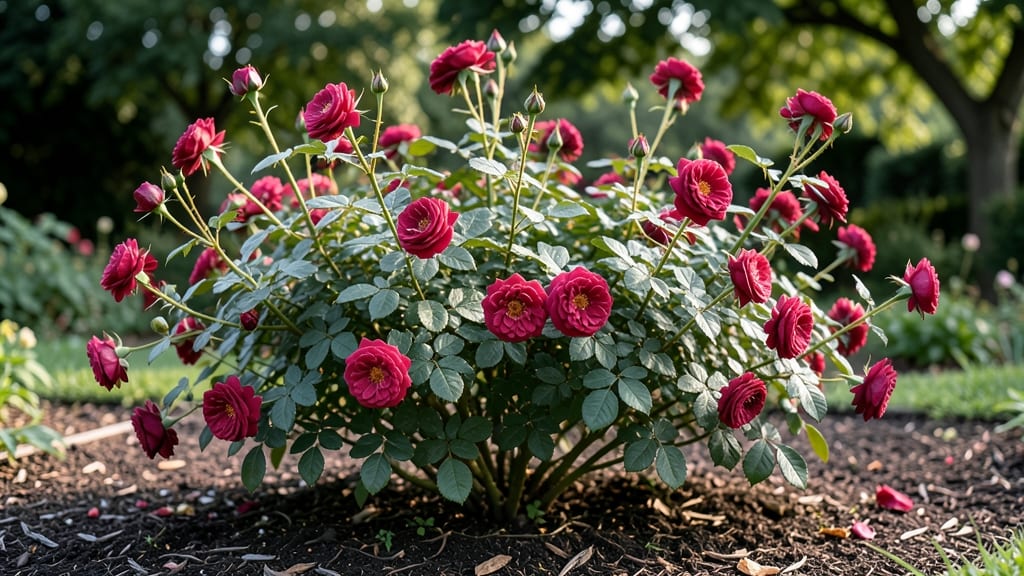
Growing a large rose bush that bursts with blooms all season isn't as hard as it looks—it's all about the right cuts at the right time. ✂️ I've turned my once-sparse rose bushes into lush, flower-covered giants by mastering just three pruning techniques, and I'm sharing them with you so you can skip the guesswork.
The secret starts with choosing a disease-resistant variety suited to your climate, then giving it the perfect start with well-draining soil and morning sun.
Most people overlook how much pruning transforms a rose—it's not just about trimming dead wood, but shaping the bush to grow stronger stems that hold more blooms.
By late spring, you'll see vibrant new growth pushing out within weeks of pruning, followed by clusters of blooms that last from June through frost. The key is timing: prune in early spring, again after the first flush of flowers, and lightly shape in summer to encourage more blooms.
This works for hybrid teas, floribundas, and even climbing roses. Let's get those blooms going!
📚 In This Guide
- What you need
- Instructions
- Tips and common mistakes
- Wrapping up and next steps
What you need
- ● Large rose bush: Choose a healthy, disease-resistant variety (e.g., 'Knock Out,' 'David Austin,' or 'Earth-Kind' roses). Select a bare-root or potted plant, depending on planting season.
- ● Well-draining soil: Aim for a mix of 60% topsoil, 30% compost, and 10% perlite/sand for optimal aeration. Test soil pH (ideal range: 6.0–6.5).
- ● Organic fertilizer: Use a balanced rose-specific fertilizer (e.g., 10-10-10 or 5-10-5 NPK ratio). Start with 2–3 tablespoons per plant at planting.
- ● Mulch: 2–3 inches of organic mulch (e.g., shredded bark, straw, or pine needles) to retain moisture and suppress weeds.
- ● Watering can or hose: A 1–2 gallon watering can with a rose or spray nozzle for gentle watering.
- ● Pruning shears: Bypass pruners (sharp, 5–7 inch blades) for clean cuts. Disinfect with rubbing alcohol between cuts.
- ● Gloves: Heavy-duty gardening gloves to protect against thorns and fungi.
- ● Stakes or cages: 5–6 foot metal or wooden stakes (or a 6-foot rose trellis) for support.
- ● Fungicide: Copper-based or neem oil spray to prevent black spot and powdery mildew.
- ● Trowel or spade: For digging holes (12–18 inches wide/deep).
- ● Soil tester kit: To check pH and nutrient levels before planting.
- ● Epsom salt: 1 tablespoon per foot of plant height (every 4–6 weeks) for magnesium boost.
- ● Compost tea: Homemade or store-bought to feed beneficial microbes in the soil.
- ● Drip irrigation system: Automates watering and saves time (especially for large bushes).
- ● Rose food spikes: Slow-release granules for hassle-free nutrition.
- ○ Thorn-proof sleeves: For pain-free pruning (optional but lifesaving!).
Step-by-Step instructions for pruning a large rose bush
Here's how I transform even the most tangled rose bushes into blooming powerhouses—no green thumb required.
✂️ Step 1: Time Your First Prune for Late Winter
Wait until after your last hard frost when temperatures stay above 32°F at night. I prune my roses in early February in Zone 7, but adjust for your climate—just before buds begin to swell is ideal. Cold weather stresses plants, so never prune when frost is still possible.
Start by removing any dead, diseased, or crossing branches first. These compete with healthy growth and invite pests. Cut back to the nearest outward-facing bud or branch junction. You'll see where to aim—look for the little bump where a leaf used to be. This ensures new growth heads outward for better air circulation.
✂️ Step 2: Shape the Bush with the "Open Center" Method
Step back and visualize your rose as a vase shape—wider at the base, narrowing toward the center. Remove branches growing inward or rubbing against others. These create wounds that rot and block sunlight from reaching the interior. I like to keep the center 12-18 inches wide for mature bushes, depending on the variety.
Cut back each remaining branch by one-third to encourage bushier growth. Make clean cuts at a 45-degree angle just above an outward-facing bud. This prevents water from pooling on the cut and ensures new shoots grow away from the center. For thick stems, use sharp loppers—dull blades crush stems and slow healing.
☀️ Step 3: Thin Out Overcrowded Canes
Count the main stems (canes) in your rose bush—you should have 4-6 strong, healthy ones for most large varieties. Remove any weak, thin, or spindly canes completely at the base. These never produce good blooms and waste the plant's energy. Look for canes that are pencil-thick or thinner when mature.
Leave the thickest, healthiest canes—they'll support the most flowers. If you have more than 6, choose the ones with the best upward growth pattern. Cut them back to 18-24 inches from the ground. You'll see new shoots emerge from the base in spring, creating a fuller bush. This step is where most people over-prune—don't be afraid to leave some length!
🌱 Step 4: Deadhead and Maintain Through the Season
After the first flush of blooms fades, deadhead regularly by cutting back to the first five-leaflet leaf below the spent bloom. This redirects energy to producing more flowers instead of seed pods. I deadhead my roses every 2-3 days during peak bloom season to keep them flowering nonstop.
In late summer, give your rose bush a light prune to remove any weak growth and improve air flow. Cut back leggy stems by half and remove any suckers growing from the base. These are shoots that come from the rootstock and divert energy away from your desired blooms. Mulch with 2-3 inches of organic matter to protect roots and retain moisture.
⏰ Step 5: Prepare for Next Year's Growth
In late fall, after leaves drop but before hard frost, do a final cleanup. Remove any remaining deadheading debris and prune out any branches that didn't bloom well this year. These are your plant's signal that it's time to rest. Cut back any new growth that appeared after summer pruning by half to prevent winter damage.
Apply a 2-3 inch layer of mulch around the base but keep it 4-6 inches away from the stem to prevent rot. This protects roots from freeze-thaw cycles. Water deeply before the first hard frost to ensure roots have moisture for dormancy. You'll see your rose bush reward you with even more blooms next season if you follow this cycle.
Tips & tricks for perfect large rose bush pruning
These little adjustments will transform your pruning from basic maintenance to a game-changer for your rose bush's health and beauty.
Timing is Everything: That 32°F nighttime temperature threshold is non-negotiable for late winter pruning. I've learned this the hard way—pruning too early when frost lingers stresses the plant and can actually kill new growth. Check your local frost dates or use a simple soil thermometer to confirm. In colder zones, you might need to wait until March. The goal is to prune just as buds begin to swell but before they burst open—this ensures you're cutting back dormant wood, not active growth.
The 45-Degree Angle Secret: When you make those cuts in Step 2, that 45-degree angle isn't just for looks—it's a water management system! The sloped cut prevents water from pooling on the wound, which would otherwise rot the stem. Imagine a tiny roof directing rainwater away from the cut. For thick stems, use your loppers to make the cut slightly above an outward-facing bud. This creates a natural shield against moisture while encouraging new growth in the right direction.
Canes Count Matters: Those 4-6 strong canes in Step 3 are your rose bush's backbone. I can't stress enough how important it is to count them before you start cutting. Weak canes (the pencil-thick ones) are energy vampires—they drain resources that could go toward blooms. Leave the thickest, healthiest canes standing at 18-24 inches. This height gives you room to work with next year's growth while still maintaining that perfect vase shape. Pro tip: If you're unsure which canes to keep, look for ones with multiple buds along their length—they'll produce more flowers.
Deadheading Discipline: That every 2-3 days deadheading schedule in Step 4 might seem frequent, but it's the secret to nonstop blooms. When you cut back to the first five-leaflet leaf, you're not just removing spent blooms—you're telling the plant "keep making flowers, not seeds!" I set a reminder on my phone because I tend to forget. The key is consistency—skipping even one week can break the bloom cycle. And here's a bonus: those spent blooms make great compost when you're done with them!
Pro Tips for Large Rose Bush
- These little adjustments will transform your pruning from basic maintenance to a game-changer for your rose bush's he...
- Timing is Everything: That 32°F nighttime temperature threshold is non-negotiable for late winter pruning. I've learn...
- The 45-Degree Angle Secret: When you make those cuts in Step 2, that 45-degree angle isn't just for looks—it's a wate...
Frequently asked questions
Got questions about your large rose bush? You’re not alone!
Here are answers to the most common concerns—from pruning puzzles to blooming secrets—so you can keep your roses thriving all season long.
When is the best time to prune a large rose bush?
The ideal time is late winter or early spring (just before new growth starts) or right after the first big bloom of the season. For climbers or repeat-bloomers, prune lightly after each flush. Avoid heavy pruning in fall—it invites disease and weakens winter hardiness. Pro tip: If you miss the window, a light trim in summer can still help!
How much should I cut back a large rose bush?
For most large shrub roses, aim to remove 1/3 of the oldest wood (canes over 3 years old) and cut back remaining canes by 1/3 to 1/2. Look for outward-facing buds—these encourage an open, airy shape. Never cut into old wood (no green rings inside); this kills the cane. Warning: Over-pruning = fewer blooms!
Why aren’t my large rose bushes blooming as much as they used to?
Common culprits: over-fertilizing with high nitrogen (leads to lush leaves, few flowers), poor pruning (cutting too late or too harshly), or disease/pests (like black spot or aphids). Check for dead or diseased canes—remove them immediately. Feed with a balanced rose fertilizer (10-10-10 or 5-10-5) in spring and after blooming for best results.
Can I prune large rose bushes in summer?
Yes, but lightly! Summer pruning (after blooms) helps shape the bush and encourages fall blooms. Trim only wilted or spent flowers (deadheading) or lightly shape canes to improve airflow. Avoid heavy cuts—this stresses the plant. Hot tip: Prune on a cool, cloudy day to reduce stress!
What’s a good alternative if my large rose bush keeps dying?
If your rose struggles with disease, pests, or poor soil, consider disease-resistant varieties like Knock Out® roses or David Austin English roses. For low-maintenance options, try shrub roses (like ‘Dr. Huey’ or ‘The Fairy’) or climbing roses (e.g., ‘New Dawn’). Bonus: Plant in full sun (6+ hours/day) and well-draining soil to boost survival rates!
Do I need to sterilize my pruners between cuts?
Absolutely!
Wipe blades with rubbing alcohol (70% or higher) or a 10% bleach solution between cuts to prevent spreading fungal diseases (like black spot) or bacterial infections. Disinfect tools before and after pruning sessions. Pro move: Keep a small spray bottle of alcohol handy for quick cleanups!
Wrapping up and next steps
Growing a large, thriving rose bush is totally within your reach—just remember: pruning is the secret sauce! 🌹 With the right tools, timing, and techniques, you’ll enjoy nonstop blooms all season long. Whether you’re trimming for shape, health, or more flowers, consistency is key.
Ready to take the next step? Grab your pruners, mark your calendar, and give your roses the love they deserve. Your garden—and your roses—will thank you! 🌿✨