
Pruning
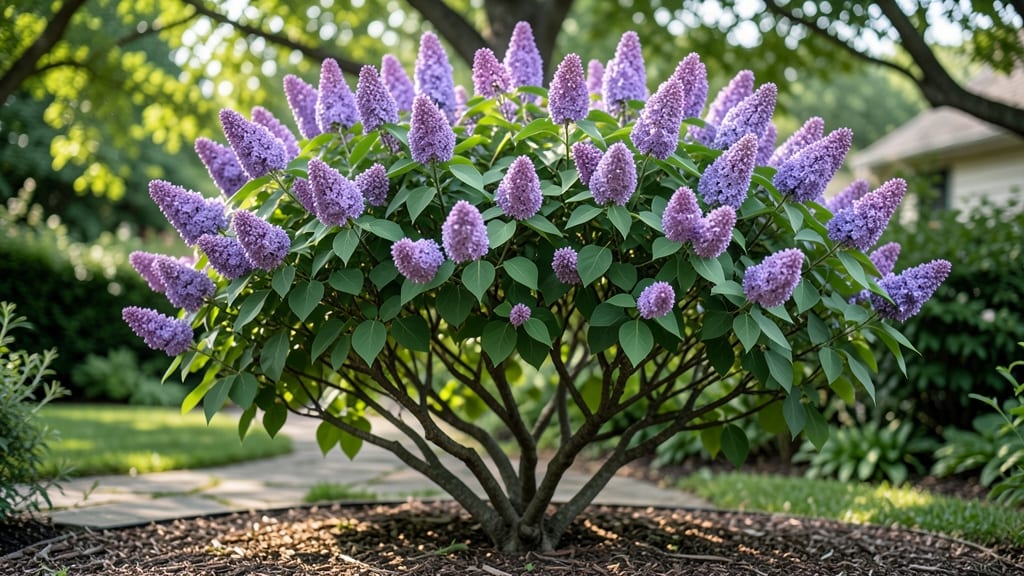
A large lilac bush can become the fragrant heart of your garden—but only if you control its size while keeping those intoxicating blooms. 🌸 I’ve learned the hard way that letting lilacs grow wild turns them from showstoppers into space-hoggers that overshadow everything else.
The secret lies in strategic pruning that keeps them lush, compact, and bursting with scent every spring.
Start by planting your lilac in a spot with full sun and room to breathe—at least 6-8 feet in diameter for mature growth. Pair it with dwarf coneflowers or catmint to create a fragrant, low-maintenance border that highlights its height without competing for space.
The key to height control is pruning right after flowering, when the blooms fade but before new growth hardens.
With the right cuts, you’ll end up with a 6-foot-tall (or shorter) bush that smells like spring for weeks. The blooms stay abundant, the shape stays tidy, and you avoid the sad, leggy look of neglected lilacs.
Plus, the fragrance lingers longer when you prune correctly—no more fighting to smell your own plants through the wind.
This approach works for formal gardens, cottage-style borders, or even urban patios with dwarf varieties. The same principles apply whether you’re shaping a classic French-style hedge or a loose, natural look. Let’s get those blooms under control without sacrificing beauty—or that heavenly scent.
📚 In This Guide
- What you need
- Instructions
- Tips and common mistakes
- Wrapping up and next steps
What you need
- ● Pruning shears: Bypass pruners (sharp, 6–8" blades) for clean cuts—1 pair (or 2 if trimming large branches).
- ○ Loppers: Long-handled (24–36") for thicker stems—1 pair (optional but helpful for mature bushes).
- ● Hand saw: Pruning saw with curved blade for stubborn, woody growth—1 (only if needed).
- ● Gloves: Heavy-duty, cut-resistant (lilac thorns are no joke!)—1 pair.
- ● Disinfectant: 70% isopropyl alcohol or pruning sealant to sterilize tools between cuts—small bottle.
- ● Garden twine or tape: For marking branches to remove—1 roll.
- ● Trash bags or compost bin: For pruned debris—5+ gallon size.
- ● Extension pole: 10–12 ft for hard-to-reach branches.
- ● Lilac fertilizer: Balanced 10-10-10 or rose-specific (apply post-pruning).
- ● Mulch: 2–3 inches of shredded bark or wood chips to retain moisture.
- ● Plant food spray: Organic seaweed or fish emulsion for a fragrance boost.
Instructions for pruning a large lilac bush
Here's how to maintain a lush, fragrant lilac bush while controlling its height naturally through strategic trimming.
✂️ Step 1: Time Your First Cut After Blooming
Wait until after the lilac blooms completely—typically 4-6 weeks post-flowering—before making your first major cut. This ensures you don’t remove next year’s flower buds, which form on last year’s growth. Look for spent blooms turning brown and new leaves hardening off; that’s your signal. I always mark the date on my calendar so I don’t accidentally prune too early.
Use sharp, clean pruners to make cuts at a 45-degree angle, about ¼ inch above a leaf bud or outward-facing branch. Avoid leaving stubs—this invites disease. The goal is to open up the center of the bush, improving airflow and light penetration. Start by removing 10-20% of the oldest wood (thick, woody stems) first—they’re the least productive anyway.
✂️ Step 2: Shape the Bush for Airflow and Light
Step back and visualize the bush’s natural shape. Lilacs thrive when they’re slightly wider than tall, so aim to create an open, vase-like form. Cut back branches that grow inward or cross over others, always pruning to an outward-facing bud. This prevents a dense, shaded center where pests and rot can fester.
For height control, focus on the topmost branches—trim them back by ⅓ to ½ their length to encourage bushier growth lower down. Avoid cutting into the main trunk; lilacs are resilient but won’t regenerate well from severe trunk pruning. If a branch is dead or diseased, remove it entirely at the base. You’ll know it’s dead if it’s brittle, lacks leaves, or oozes when cut.
🌿 Step 3: Light Maintenance Pruning Mid-Season
Once the initial shaping is done, light pruning keeps the bush tidy. Throughout the growing season, remove any suckers (shoots growing from the base or roots) immediately—they sap energy from your main plant. Also, trim back any overly vigorous shoots that spoil the shape. I do this every 4-6 weeks during active growth, using the same 45-degree angle technique.
Watch for new growth at the base—this is a sign your lilac is rejuvenating. If you notice leggy stems stretching toward the light, it’s a cue to prune back slightly to encourage denser foliage. Avoid heavy pruning in late summer or fall; lilacs need time to harden off before winter. A quick check every 2 weeks ensures you catch issues early.
⏰ Step 4: Prepare for Winter and Spring Renewal
In late fall, after leaves drop but before hard frost, give your lilac a final light cleanup. Remove any dead, diseased, or crossing branches—this reduces winter stress. Avoid heavy pruning now; lilacs flower on old wood, and late cuts can stimulate weak growth that won’t survive cold snaps.
In early spring, just as buds swell but before leaves emerge, do a final inspection. Prune out any damaged winter branches (look for broken or split wood) and thin out the center if it’s still too dense. This is also the time to fertilize lightly (if needed) to support new growth. Your lilac should now have a balanced, open structure ready for another season of fragrant blooms.
Tips & tricks for pruning a large lilac bush
A few simple techniques will help you maintain a fragrant, healthy lilac bush while keeping it at an ideal height year after year.
Timing is Everything: The 4-6 week window after blooming is critical for Step 1 pruning. I learned this the hard way after accidentally pruning too early and losing next year's flowers. Mark your calendar when you see the first browned blooms—this is your cue to start planning. If you're unsure about the exact timing, snap a photo of your lilac when it's fully bloomed, then count 4-6 weeks forward from that date. This visual reference helps me stay consistent every year.
Precision Cuts Make All the Difference: When making those 45-degree angle cuts in Step 1, think of it like writing with a pencil—you want to angle it just right to get the smoothest line. The ¼-inch clearance above the leaf bud is crucial; any closer and you risk damaging the bud, any farther and you leave a stub that can invite disease. I keep a small ruler handy to verify this measurement on thicker branches where it's harder to judge by eye. This attention to detail prevents the bush from looking ragged after pruning.
Seasonal Maintenance Strategy: The mid-season pruning in Step 3 deserves special attention. I've found that the 4-6 week interval between light pruning sessions works best when combined with the 2-week visual checks. Set a recurring reminder on your phone for every 4 weeks during growing season—this ensures you never let suckers or vigorous shoots go unchecked. For the 2-week checks, I simply glance at the bush from the sidewalk while walking by; this quick visual inspection helps me catch issues before they become problems.
Winter Preparation Insight: That final late fall cleanup in Step 4 is more important than most gardeners realize. I've seen lilacs suffer from winter stress because gardeners prune too heavily during this vulnerable time. Limit yourself to removing only dead, diseased, or crossing branches—never more than 10% of the total foliage. This minimal approach prevents the plant from putting out tender new growth that won't survive winter. Think of it as giving your lilac a light winter coat rather than a heavy one.
Pro Tips for Large Lilac Bush
- A few simple techniques will help you maintain a fragrant, healthy lilac bush while keeping it at an ideal height year after year.
- Timing is Everything: The 4-6 week window after blooming is critical for Step 1 pruning.
- Precision Cuts Make All the Difference: When making those 45-degree angle cuts in Step 1, think of it like writing with a pencil—you want to angle it just right to get the smoothest line.
Frequently asked questions
about growing and maintaining a large lilac bush—because even fragrant giants need a little TLC! Here are answers to the most common queries from gardeners.How tall can a large lilac bush grow if left untrimmed?
A mature lilac bush can reach 10–15 feet tall (or even taller in ideal conditions) if left unpruned. However, most gardeners keep them between 6–8 feet for easier maintenance and better blooms. Regular seasonal trimming (like what we cover in this guide) keeps them manageable while maximizing fragrance and flowers!
When is the best time to prune a large lilac bush?
The best time to prune lilacs is right after they finish blooming—typically late spring or early summer. This ensures you don’t cut off next year’s flower buds, which form on old wood. Avoid pruning in fall or winter, as lilacs are dormant and more susceptible to damage. Pro tip: If you missed the window, a light trim in early spring (before buds swell) is better than no pruning at all!
Can I prune a lilac bush too much? What are the signs?
Yes! Over-pruning can stress your lilac, leading to fewer blooms, weak growth, or even death in extreme cases. Signs of over-pruning include:
- No flowers for 1–2 years
- Sparse, leggy foliage
- Stunted new growth
What’s the best alternative if my lilac bush isn’t thriving?
If your lilac struggles with pests, disease, or poor growth, consider these fragrant, low-maintenance alternatives:
- Mock Orange (Philadelphus) – Similar fragrance, smaller size (6–10 ft), and more disease-resistant.
- Daphne – Compact (2–4 ft), intensely fragrant, and thrives in partial shade.
- Deutzia – Light blooms, easy pruning, and tolerates a range of soils.
Why are my lilac leaves turning yellow or spotted?
Yellowing or spotted leaves are often signs of fungal issues (like powdery mildew or leaf spot) or pests (aphids, spider mites, or borers). Here’s how to troubleshoot:
Issue
Solution
Powdery mildew (white coating)
Prune for airflow, spray with neem oil, and avoid overhead watering.
Yellowing leaves (nutrient deficiency)
Test soil pH (ideal: 6.0–7.0) and amend with compost or a balanced fertilizer.
Holes or sawdust-like frass (borers)
Remove infested branches, apply beneficial nematodes, or use systemic insecticide.
Wrapping up and next steps
Cultivating a large lilac bush into a fragrant, well-managed beauty is totally within reach—just follow seasonal trimming and a few key techniques! With the right tools, timing, and patience, you’ll enjoy stunning blooms and effortless height control year after year. 🌸
Ready to level up your pruning game? Start by marking your calendar for next spring’s first trim—your lilacs will thank you with lush, vibrant growth. Happy gardening!