
Pruning
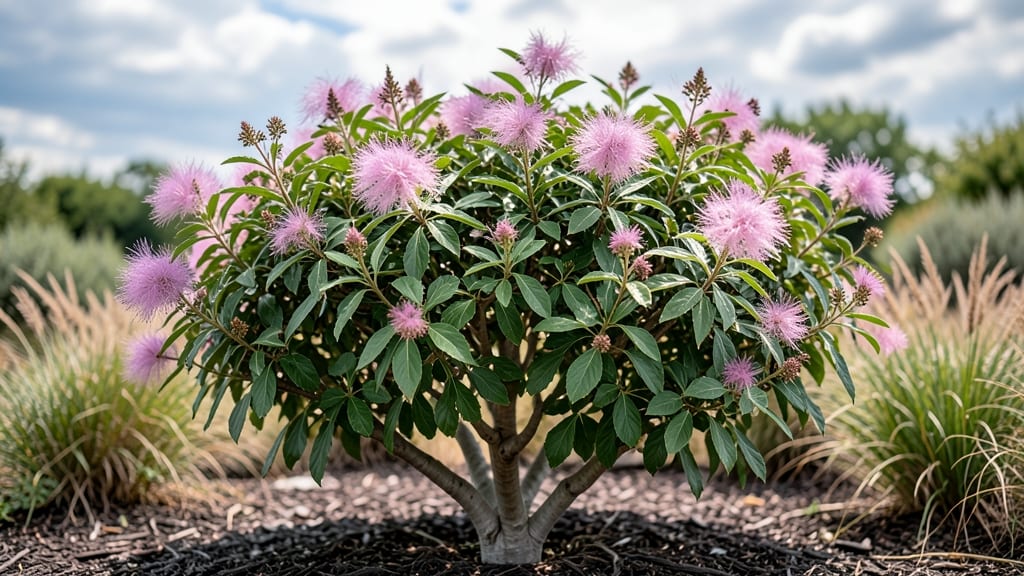
Japanese smoke bush (Cotinus coggygria) turns your yard into a fragrant, smoky-scented dream with its signature plumes. 🌿 This hardy shrub thrives in zones 5-8, reaching 6-15 feet tall with a spread that makes it a standout focal point. The secret to its year-round appeal?
Pruning with precision—timing and technique transform ordinary growth into dramatic, fragrant clouds of foliage. Plant it in well-draining soil with full sun to partial shade, spacing plants 6-10 feet apart. The best time to plant is early spring or fall, giving roots time to establish before extreme temperatures.
Varieties like 'Royal Purple' and 'Grace' offer stunning foliage colors, while the 'Velvet Cloak' variety adds texture with its unique leaf shape. Care is simple: water deeply once established, prune in late winter to shape and encourage new growth, and fertilize lightly in early spring.
Mulch helps retain moisture and protect roots in winter. The fragrance? It’s subtle but intoxicating—like a whisper of summer even in winter’s chill. Use it as a specimen plant, hedge, or mixed border. Its adaptability makes it perfect for both formal and wild landscapes.
Once pruned correctly, it becomes the centerpiece of any garden—fragrant, striking, and effortlessly elegant.
📚 In This Guide
- What you need
- Instructions
- Tips and common mistakes
- Wrapping up and next steps
What you need
- ● Japanese Smoke Bush Plant: Choose a healthy, disease-free sapling (bare-root or potted). Opt for ‘Royal Purple’ or ‘Velvet Fountain’ cultivars for vibrant foliage.
- ● Well-Draining Soil: Mix 1 part native soil with 1 part compost and 1 part perlite/sand (5 gallons per planting hole). pH: 6.0–7.5.
- ● Pruning Tools: Bypass pruners (for clean cuts on 1/4"–1/2" branches)
- ● Loppers (for 1/2"–2" branches)
- ● Hand saw (for thick stems >2")
- ● Mulch: 2–3 inches of organic mulch (e.g., shredded bark or pine needles) to retain moisture.
- ● Gloves (nitrile-coated for grip and protection)
- ● Disinfectant (70% isopropyl alcohol or pruning sealant)
- ● Staking system (for young plants in windy areas)
- ● Slow-release fertilizer (10-10-10, 1 tbsp per foot of plant height)
- ● Hose with nozzle (for post-pruning cleanup)
Step-by-Step instructions for planting and pruning Japanese smoke bush
Here's how to grow this fragrant beauty with minimal fuss—just follow these easy steps.
🌱 Step 1: Choose the Perfect Planting Spot
Japanese smoke bush thrives in full sun to partial shade, so pick a location that gets at least 4-6 hours of sunlight daily. I always check the afternoon sun exposure first—this plant loves warmth but can handle light shade in hotter climates. The soil should drain well, so avoid low spots where water pools after rain.
Dig a hole twice as wide as the root ball but only as deep. This encourages roots to spread out rather than settle too low. Loosen the sides of the hole with a shovel to help roots establish faster. If your soil is heavy clay, mix in a handful of compost to improve drainage.
🪴 Step 2: Plant and Water Thoroughly
Place the smoke bush in the hole, ensuring the top of the root ball sits 1 inch above soil level. This prevents water from pooling around the stem, which can cause rot. Fill the hole with soil, pressing gently to remove air pockets but not compacting too tightly.
Water deeply right after planting—1-2 gallons should soak the root zone completely. You'll know it's done when water runs out the drainage holes if in a container, or when the top inch of soil feels damp. Mulch around the base with 2-3 inches of organic mulch to retain moisture and regulate soil temperature.
✂️ Step 3: Prune for Shape and Fragrance
Prune in late winter or early spring before new growth appears. This is when the plant is dormant and can handle the most aggressive shaping. Use clean, sharp pruners to make cuts just above a leaf node or bud. I like to step back and look at the plant from all sides—this helps me see where to thin out crowded branches.
Remove any dead, diseased, or crossing branches first. Then, cut back up to ⅓ of the plant's height to encourage bushier growth. The more you prune, the more fragrant the foliage becomes—this is why I never skip this step. After pruning, give the plant a light watering to help it recover.
☀️ Step 4: Maintain Through the Seasons
Japanese smoke bush is drought-tolerant once established, but young plants need 1 inch of water weekly during dry spells. Water at the base in the morning to reduce evaporation and fungal risks. In summer, I check the soil with my finger—if the top 2 inches feel dry, it's time to water.
Fertilize lightly in spring with a balanced, slow-release fertilizer. Too much nitrogen leads to lush but unfragrant growth. I also watch for pests like spider mites, which love dry conditions. A quick spray with water usually knocks them off, but severe infestations may need neem oil.
🌿 Step 5: Enjoy Year-Round Fragrance
The real magic happens when you let the plant mature. In fall, the foliage turns shades of red, orange, and purple, adding seasonal color. Even in winter, the stems retain a subtle vanilla-like scent when crushed. To keep the fragrance strong, prune lightly in late summer to encourage new growth before the cold sets in.
If you notice leaves yellowing or wilting, it’s often a sign of overwatering or poor drainage. Adjust your watering schedule and ensure the soil drains freely. With minimal care, your Japanese smoke bush will reward you with beauty and fragrance for years—no fancy tricks required!
Tips & tricks for perfect Japanese smoke bush growth
These simple tricks will help your fragrant bush thrive with minimal effort—no green thumb required.
Sunlight Strategy: That 4-6 hours of sunlight in Step 1 is non-negotiable, but here's the thing—morning sun is gentler than afternoon heat. If you're in a hot climate, position your bush to get morning sun and afternoon shade. I've seen plants struggle in full afternoon sun, even with 6 hours total. Watch for leaf scorch (brown edges) as your early warning sign.
Root Ball Placement: The 1-inch elevation above soil level in Step 2 might seem small, but it's crucial. I learned this the hard way when a friend's bush developed rot—turns out her root ball was sitting flush with the soil. Use a small mound of soil to create that elevation if needed. For container plants, ensure the drainage holes are large enough to prevent water backup.
Pruning Precision: When you're cutting back up to ⅓ of the plant's height in Step 3, focus on the oldest growth first. The newer, more flexible branches will bounce back better. I like to make my cuts at a 45-degree angle just above a leaf node—this helps water run off the cut and prevents rot. And don't forget to sterilize your pruners between cuts with rubbing alcohol!
Watering Wisdom: The 1-2 gallons after planting in Step 2 should create a saturated soil zone about 12 inches deep. You can test this by sticking a screwdriver into the soil—it should go in easily if properly watered. For established plants, the finger test in Step 4 works, but I've found that watering at the base (not the foliage) prevents fungal issues that can develop from overhead watering.
Pro Tips for Japanese Smoke Bush
- These simple tricks will help your fragrant bush thrive with minimal effort—no green thumb required.
- Sunlight Strategy: That 4-6 hours of sunlight in Step 1 is non-negotiable, but here's the thing—morning sun is gentler than afternoon heat.
- Root Ball Placement: The 1-inch elevation above soil level in Step 2 might seem small, but it's crucial.
Frequently asked questions
Got questions about keeping your Japanese Smoke Bush thriving?
Here are answers to the most common ones—so you can enjoy its fragrant foliage year-round with confidence!
What’s the best time of year to prune a Japanese Smoke Bush?
Prune your Cotinus coggygria in late winter or early spring, just before new growth begins. This ensures you remove dead or weak branches while leaving healthy buds intact. Avoid pruning in fall, as it may stimulate tender new growth that could be damaged by frost.
How much can I trim back my Japanese Smoke Bush?
You can safely prune up to one-third of the plant’s total volume at a time. For shaping or rejuvenation, cut back older stems to encourage fresh, vibrant growth. Just avoid over-trimming—this plant thrives on a balanced approach!
Does Japanese Smoke Bush need winter protection?
Most varieties are hardy to USDA Zones 5-8 and tolerate winter well. However, young plants or those in harsh climates may benefit from a light mulch around the base. Avoid heavy blankets of mulch, which can smother roots.
Can I grow Japanese Smoke Bush in containers?
Yes! Smaller varieties like ‘Royal Purple’ thrive in containers. Use a well-draining potting mix and a pot with drainage holes. Prune regularly to control size, and repot every 2-3 years for optimal growth.
What pests or diseases should I watch for?
Japanese Smoke Bush is generally pest-resistant, but keep an eye out for aphids, spider mites, or scale insects. Treat infestations early with neem oil or insecticidal soap. Fungal issues (like powdery mildew) are rare but can occur in humid, poorly ventilated spots.
Wrapping up and next steps
The Japanese Smoke Bush (Cotinus coggygria) is a stunning, low-maintenance shrub that rewards patience with year-round beauty and fragrant foliage—all while keeping pruning simple. With the right tools, timing, and techniques, you can shape it into a showstopper while ensuring vibrant, aromatic leaves.
Whether you’re a beginner or a seasoned gardener, this shrub is a fragrant, resilient addition that brings joy with minimal effort.
Ready to transform your garden? Grab your pruners and start shaping! 🌿✨ Try experimenting with a single bush first, then expand your fragrant landscape with confidence.