
Pruning
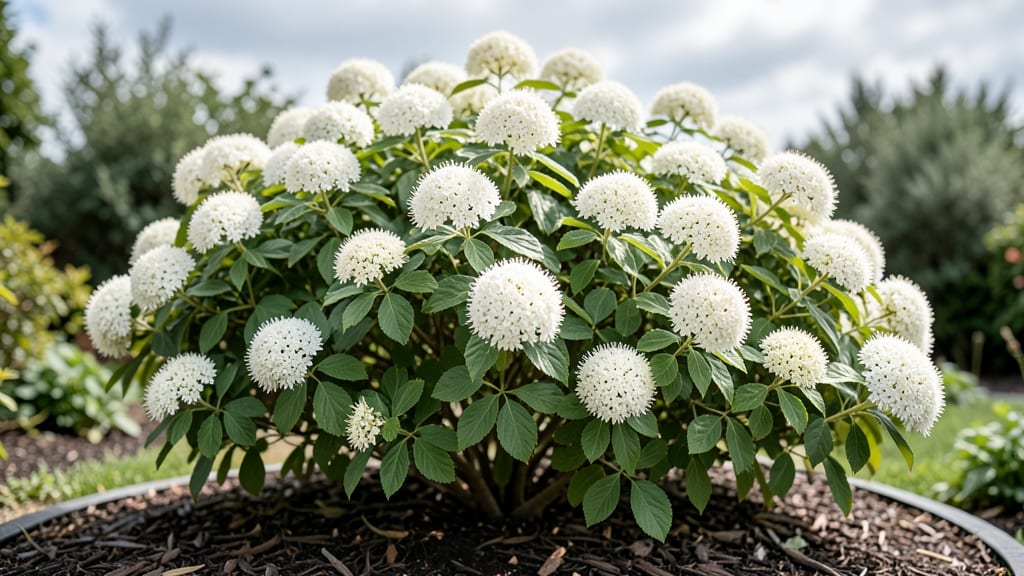
Those images of snowball bush could make your garden look like a fluffy winter masterpiece—if you prune it right. ✨ These iconic white flower clusters transform any garden into a snowy wonderland, but only with the right timing and cuts.
I’ve pruned mine for years, and the difference between "pretty" and "perfect" comes down to a few key moves.
The secret isn’t just cutting back—it’s shaping the bush to highlight its best features. Snowball bushes shine as privacy screens, focal points, or mixed-border stars, especially when paired with evergreens or spring bloomers like azaleas.
Their spring flowers, autumn berries, and year-round structure make them a garden workhorse.
After pruning, you’ll see denser growth, bigger blooms, and a shape that pops in every season. The key is late winter or early spring, before new growth starts—just as those first buds form. A little effort now means fluffy perfection for months.
Works for formal hedges, cottage gardens, or even a single statement plant. Here’s how to get that show-stopping look without sacrificing health. Let’s make your snowball bush the star of the show!
📚 In This Guide
- What you need
- Instructions
- Tips and common mistakes
- Wrapping up and next steps
What you need
- ● Pruning shears: Bypass pruners (sharp, 4–6-inch blades for clean cuts). Quantity: 1 pair.
- ● Loppers: For thicker branches (18–24-inch handles). Quantity: 1 pair.
- ● Gloves: Heavy-duty, gardening or pruning gloves (cut-resistant). Quantity: 1 pair.
- ● Disinfectant: 70% isopropyl alcohol or rubbing alcohol (to sterilize tools). Quantity: Small bottle.
- ○ Pruning sealant: Optional but recommended (e.g., Tanglefoot Tree Wound Pruning Seal) for large cuts. Quantity: Small tube.
- ● Bucket or bag: For trimmings (5-gallon capacity). Quantity: 1.
- ● Notebook & pen: To track pruning notes (e.g., branch locations, dates). Quantity: 1 each.
- ● Camera or smartphone: With macro mode for close-up shots of blooms. Quantity: 1.
- ● Tripod: For steady, snowy background photos. Quantity: 1.
- ● Reflective surface: White sheet or foam board to brighten shadows in images.
- ● Handheld mirror: For tricky angles (e.g., under-branch lighting).
- ● Pruning saw: For thick, woody stems (>1-inch diameter). Quantity: 1.
- ● Weatherproof apron: To stay dry and organized during outdoor work.
How to prune snowball bushes for winter fluffiness
Here's how to shape your snowball bushes into lush, cloud-like perfection—no guesswork involved.
🌿 Step 1: Time Your Pruning for Optimal Growth
Prune your snowball bush (Viburnum opulus) immediately after flowering, typically in late spring when blooms fade but before new growth hardens. This timing ensures you remove spent flowers while preserving next year's buds, which form on last year's wood. I always prune mine in May—the exact moment depends on your climate zone, but aim for when the flowers have dropped completely.
If you miss this window, avoid pruning in fall or winter—you'll risk cutting off next year's blossoms entirely. Snowball bushes bloom on old wood, so heavy pruning in dormant seasons means fewer flowers. Watch for fresh leaf growth as your cue: when new leaves emerge but haven't fully hardened, it's prime time to shape the bush.
✂️ Step 2: Remove Dead or Crossing Branches First
Start by thinning out dead, diseased, or crossing branches—these are your first priorities. Dead wood shows as dry, brittle stems with no leaves, while crossing branches grow inward and compete for sunlight. I use clean, sharp pruners to make 45-degree cuts just above a healthy outward-facing bud. This encourages outward growth and prevents a dense, tangled center.
Never leave stubs—always cut back to the bud to avoid decay. If a branch is larger than ½ inch in diameter, use loppers and make the cut just outside the branch collar. You'll see a slight swelling at the base of the branch where it meets the main stem—that's your target. This method promotes faster healing and stronger regrowth.
🌱 Step 3: Shape for Fullness and Airflow
Now focus on shaping the bush into a rounded, dome-like form—this is what gives snowball bushes their signature "snowball" appearance. Step back frequently to visualize the final shape. Start by cutting back overly long branches by about ⅓ of their length, making cuts just above a bud that faces outward. This maintains the bush's natural form while encouraging denser growth.
For a fluffier look, avoid heavy pruning in one spot—distribute cuts evenly around the bush. If you notice leggy growth (long, bare stems), prune those back more aggressively to redirect energy to lower branches. The goal is to create a balanced, layered silhouette that looks like a cloud from a distance. Thin out the center if it's too dense—this improves airflow and reduces disease risk.
☀️ Step 4: Clean Up and Monitor for Recovery
After pruning, rake up all debris and dispose of it in the trash—never compost diseased branches. Sterilize your pruners with rubbing alcohol between cuts if you've removed infected wood. Water the bush deeply to help it recover, especially if you've made significant cuts. You'll see new growth emerge within 2-3 weeks—this is your sign that the pruning took.
In the weeks following, keep an eye out for suckers (shoots growing from the base) and remove them promptly. These compete with the main structure for nutrients. If your bush looks stressed after pruning, a balanced fertilizer in early summer will encourage robust regrowth. By next spring, you'll have a fuller, more vibrant snowball bush with even more dramatic blooms.
Tips & tricks for perfect snowball bush pruning
Here's what nobody tells you about transforming your snowball bush into a winter masterpiece.
Timing is Everything: The late spring window (after blooms fade but before new growth hardens) is your golden hour. I've learned the hard way that pruning too early risks cutting off next year's flower buds, while waiting too long sacrifices the bush's natural shape. Watch for those fresh leaves emerging but still soft to the touch—that's your exact cue. In colder climates, aim for early May; in warmer zones, June works perfectly.
The Technique That Changed Everything: When shaping your bush in Step 3, visualize it as a cloud from 10 feet back. I start by cutting back overly long branches by exactly one-third—no more, no less. This maintains the bush's natural form while encouraging denser growth. For that signature fluffiness, distribute cuts evenly around the bush rather than concentrating in one area. The goal is to create layers, not just height.
Tool Maintenance Matters: Your pruners are your most important tool, so treat them like surgical instruments. Sterilize them with rubbing alcohol between cuts, especially if you're removing diseased branches. I also sharpen my pruners every season—they stay sharper longer if you wipe them clean and store them in a dry place. Dull blades crush stems instead of making clean cuts, which stresses the plant and invites disease.
Recovery Strategy: After pruning, don't just walk away. Water deeply to help the bush recover, particularly if you've made significant cuts. I've seen bushes that looked stressed after pruning bounce back beautifully with just 2-3 weeks of proper care. Keep an eye out for suckers growing from the base—these compete with your main structure for nutrients. Remove them promptly to maintain that perfect cloud-like silhouette.
Pro Tips for Images Of Snowball Bush
- Here's what nobody tells you about transforming your snowball bush into a winter masterpiece.
- Timing is Everything: The late spring window (after blooms fade but before new growth hardens) is your golden hour.
- The Technique That Changed Everything: When shaping your bush in Step 3, visualize it as a cloud from 10 feet back.
Frequently asked questions
Got questions about keeping your snowball bush looking its fluffiest?
Here are some common ones—and their answers—to help you master winter pruning like a pro!
When is the best time to prune my snowball bush for those perfect snowball blooms?
The ideal time to prune is late winter or early spring, before new growth begins (typically February to March in most climates). This ensures you don’t cut off next year’s flower buds, which form on last year’s wood. Pro tip: Wait until after the worst frost has passed to avoid stressing the plant.
How much can I cut back my snowball bush without harming it?
You can safely prune up to one-third of the plant’s height to encourage dense, bushy growth. For mature bushes, aim to remove about 20-30% of the oldest stems to make room for new, vigorous branches. Avoid over-pruning—this can reduce flowering.
What should I do if my snowball bush isn’t blooming as much as it used to?
Poor blooming often stems from overcrowded branches or lack of sunlight. Thin out dense areas, and prune to improve air circulation. Also, ensure it gets at least 6 hours of sunlight daily and fertilize in early spring with a balanced, slow-release fertilizer.
Can I prune my snowball bush in fall, or will it hurt the plant?
Pruning in fall is not recommended because it exposes the plant to winter damage and removes next year’s flower buds. If you must prune, wait until after the first hard frost and only remove dead or diseased branches. Otherwise, save it for late winter!
Are there any alternatives to pruning that can help my snowball bush stay healthy?
Yes! Alongside pruning, mulching (2-3 inches of organic mulch) protects roots in winter, and regular watering (deep but infrequent) keeps the plant hydrated. Deadheading spent blooms in summer can also encourage more flowers. Plus, annual feeding with compost or fertilizer boosts overall health.
Wrapping up and next steps
From selecting the right tools to mastering the perfect timing and techniques, transforming your snowball bush into a fluffy winter masterpiece is totally within reach! 🌸 With patience and practice, you’ll create a stunning focal point that brightens up any garden—and—enhances its beauty year-round.
Ready to take the next step?
🌿 Your Action Plan:
- Schedule a pruning session: Mark your calendar for late winter or early spring and gather your tools.
- Experiment with shapes: Try different styles to see what your snowball bush loves best!
- Share your progress: Snap some before-and-after photos of your pruned bush and tag us—we’d love to see your winter wonderland!