
Pruning
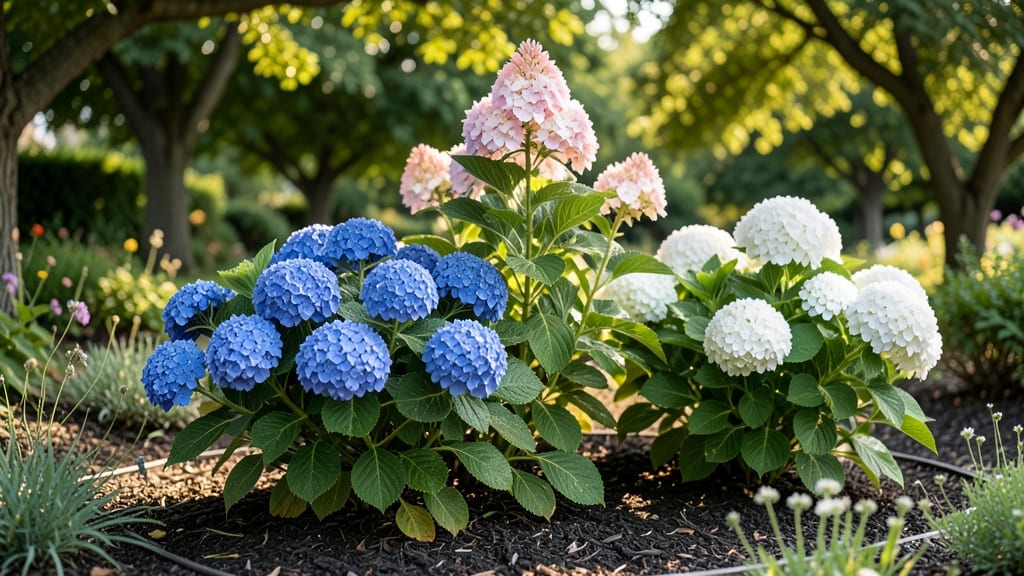
Hydrangea bush colors change based on soil pH—acidic conditions create stunning blues, alkaline soil produces deep pinks, and neutral pH yields rich purples. You can transform your blooms' hues seasonally by adjusting soil chemistry with amendments like sulfur or lime.
This color-changing magic happens because hydrangeas rely on aluminum ions in the soil to produce their signature pigments. 🌸 When the soil is acidic, these ions become more available, triggering blue anthocyanins. In alkaline conditions, different pigments dominate, creating pinks.
The secret lies in testing your soil's pH first—most garden centers sell affordable kits. I've seen dramatic transformations in just a few months when adjusting pH properly, but remember: overdoing amendments can harm your plants. Start with small changes and monitor the results.
For example, if your hydrangeas are currently blue but you want pink blooms, you'll need to raise the pH by adding crushed limestone. The process takes patience—typically 2-3 months to see noticeable changes.
And don't forget that some hydrangea varieties are naturally less responsive to pH changes, so always check your specific plant type before making adjustments.
💡 In This Article
- How Soil pH Chemistry Controls Hydrangea Bloom Colors
- Step-by-Step Guide to Changing Hydrangea Colors Naturally
How soil pH chemistry controls hydrangea bloom colors
The color transformation in hydrangeas happens at the molecular level through a process called anthocyanin pigment production. These vibrant pigments are sensitive to aluminum ions in the soil, which become more available when the pH drops below 5.5.
In acidic conditions, aluminum binds with specific anthocyanins, producing the characteristic blue hues we love. When soil pH rises above 6.0, different pigments dominate, resulting in pink flowers.
This sensitivity occurs because hydrangea roots absorb aluminum differently at various pH levels. At pH 5.0-5.5, aluminum solubility peaks, making it readily available for uptake. The plant then directs its metabolic resources toward producing blue anthocyanins.
Conversely, at pH 6.5-7.0, aluminum becomes insoluble, triggering production of red and purple pigments instead. The transition zone around pH 6.0 often yields those stunning purples we see in many garden varieties.
What makes hydrangeas uniquely responsive is their ability to rapidly adjust pigment production based on soil conditions. Unlike many plants that have fixed pigment pathways, hydrangeas can shift production within just 2-3 months of pH changes.
This rapid response makes them ideal for gardeners who want instant color transformations. The key chemical players here are aluminum ions and the plant's anthocyanin synthesis enzymes, which are pH-sensitive regulators.
Consider this real-world example: A garden in Georgia (pH 5.2) might produce deep blues, while an identical variety in California (pH 7.0) could bloom pink. The same genetics create completely different visual effects based solely on soil chemistry.
This phenomenon isn't limited to hydrangeas—some blueberries and azaleas also show pH-dependent color variations, but hydrangeas are particularly dramatic in their response.
The aluminum connection is crucial because most garden soils contain plenty of this mineral, but its availability depends entirely on pH. Even if your soil tests show high aluminum content, it won't help if the pH is too high.
This is why testing before making adjustments is essential. The plant's ability to absorb aluminum drops by 90% when pH rises from 5.5 to 6.5, explaining why color changes can be so dramatic with even small pH adjustments.
What most gardeners don't realize is that this pigment production affects more than just flower color—it also influences the plant's overall health. Extreme pH levels (below 4.5 or above 7.5) can stress hydrangeas, leading to poor growth or even death.
The sweet spot for both vibrant colors and healthy plants typically falls between 5.5 and 6.5, where aluminum is available but not toxic.