
Pruning
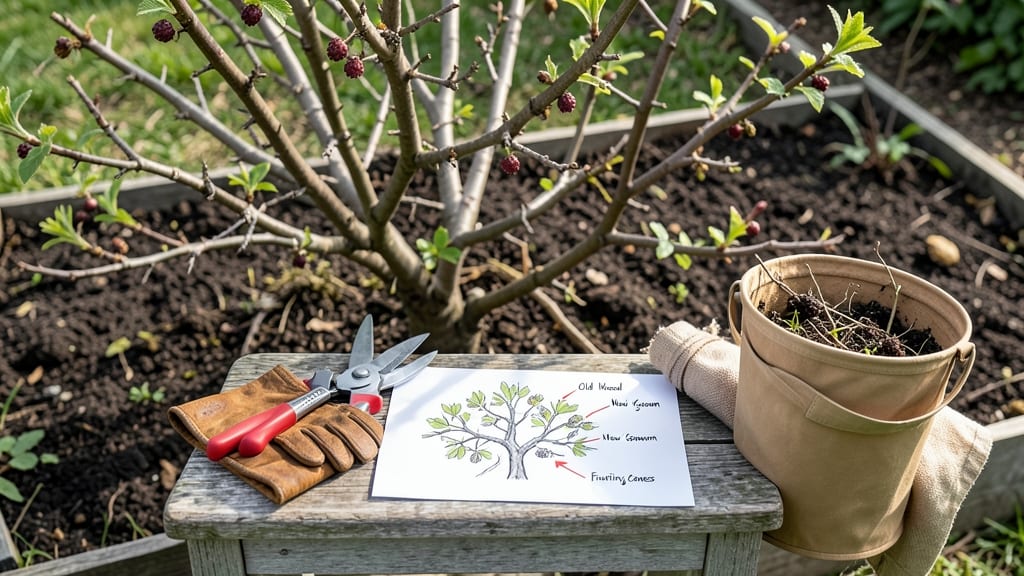
How to trim gooseberry bushes late in winter turns tangled messes into fruit-loaded powerhouses. ✂️ I learned the hard way—skipping this step means fewer berries and more disease. The key is timing: prune before buds swell but after the worst winter cold, usually in February or early March when the ground is still frozen. You’ll need sharp bypass pruners, loppers for thicker canes, and a clear day to see what you’re cutting. Start by removing dead or diseased wood—anything brown, mushy, or covered in spots. Then cut back last year’s fruiting canes by about half, making clean cuts at a 45° angle just above an outward-facing bud. What you’re left with is a bush that breathes better, gets more sunlight, and directs energy into stronger new growth and bigger berries. The first harvest will be sweeter, the canes sturdier, and your neighbors will ask how you got such perfect bushes. This method works for both thorny and thornless varieties, and the same principles apply to currants too. Let’s get those canes shaped before spring arrives!
📚 In This Guide
- What you need
- Instructions
- Tips and common mistakes
- Wrapping up and next steps
What you need
- ● Pruning shears: Sharp, bypass-style shears (4- to 6-inch blades) for clean cuts on smaller stems. Sterilize with rubbing alcohol or bleach between cuts to prevent disease spread.
- ● Loppers: For thicker canes (½-inch diameter or larger), use long-handled loppers (8-inch blades) for leverage and comfort.
- ● Gloves: Heavy-duty, cut-resistant gloves (e.g., leather or reinforced fabric) to protect hands from thorns and scratches.
- ● Disposable pruning saw: For stubborn, woody stems (rare in gooseberries but useful for older bushes). A folding saw with fine teeth works best.
- ● Garden twine or rubber bands: To tie up pruned branches temporarily if needed (e.g., for training or support).
- ● Bucket or trash bag: A 5-gallon bucket or heavy-duty bag to collect pruned canes for composting or disposal.
- ● Hose or water sprayer: To clean tools and rinse off sap or debris after pruning.
- ● Pruning sealant: A wound dressing (like tree paint) to coat large cuts—controversial but useful for very old or damaged canes.
- ● Knee pad or stool: For comfort if your bushes are tall or the ground is hard.
- ● Labeling tags: If you’re reorganizing your bushes, use waterproof labels to mark new growth or varieties.
- ● Hand sanitizer or soap: To wash hands after pruning (especially if you have cuts or sensitive skin).
Step-by-Step guide for late-winter gooseberry bush pruning
Late winter’s the perfect time to shape your gooseberries—here’s how to do it right for healthier, more productive bushes.
✂️ Step 1: Remove Dead, Diseased, or Weak Canes
Start by identifying canes that are completely dead, showing signs of disease (like blackened spots or fungal growth), or weak and spindly. Use sharp pruning shears to cut these back to the ground at a 45-degree angle, about ¼ inch above a healthy bud or lateral branch. This prevents water from pooling and encourages new growth from strong buds.
I always work from the center outward—this helps me spot hidden problems like hidden cankers or pest damage. If you find any canes with large, open wounds or signs of borers, sterilize your shears with rubbing alcohol between cuts. Gooseberries are particularly susceptible to fungal infections, so cleanliness here prevents bigger issues later.
✂️ Step 2: Thin Out Overcrowded Canes
Gooseberry bushes thrive when they have good airflow. Aim to leave 4-6 of the strongest, most vigorous canes per plant, removing any that cross or rub against others. Cut these at the base, ensuring the remaining canes are spaced evenly around the bush. This reduces competition for nutrients and sunlight, which directly improves fruit quality.
Here’s the trick: look for canes with thick, dark green bark and multiple buds along their length. These are your keepers. Thin canes often have pale, brittle stems and fewer buds. If you’re unsure, hold the cane—strong canes feel firm, while weak ones bend easily. This step is where you set up next year’s harvest.
✂️ Step 3: Prune for Shape and Fruit Production
Now focus on shaping the bush. Cut back last year’s fruiting canes by ⅓ to ½ their length, making cuts just above outward-facing buds. This encourages branching and more fruiting sites. For younger bushes under 3 years old, prune more lightly—just remove dead wood and shape the structure. Older bushes benefit from heavier pruning to rejuvenate growth.
Watch for suckers—those vigorous shoots growing from the base. These divert energy from fruit production. Snip them off at ground level. I also like to leave a few strong, young canes unpruned to replace older ones. This keeps the bush balanced and productive for years.
✂️ Step 4: Clean Up and Sterilize Tools
After pruning, rake up all debris and dispose of it in the trash—not the compost—since diseased material can reinfect the bush. Sterilize your pruning tools with a 10% bleach solution (1 part bleach to 9 parts water) or rubbing alcohol to prevent spreading pathogens. Wipe down the shears with a paper towel to remove any residue.
This is also the time to apply a balanced fertilizer (like 10-10-10) around the base of the bush, keeping it 6 inches away from the trunk. Water deeply afterward to help the roots absorb nutrients. The goal here is to give your gooseberries a strong start as spring approaches.
⏰ Step 5: Monitor for New Growth
Within 2-3 weeks, you should see fresh green shoots emerging from the pruned areas. This is your signal that the pruning worked. If growth is slow or sparse, check for signs of stress like yellowing leaves or wilting—this could indicate over-pruning or hidden disease. Adjust your approach for next year based on what you observe.
Real talk: the first year after heavy pruning might yield fewer berries, but the long-term payoff is bigger, healthier fruit and fewer pests. Keep an eye out for birds and squirrels—they’ll be drawn to the new growth, so consider netting young canes if needed.
Tips & tricks for late-winter gooseberry pruning
These practical insights will help you prune like a seasoned gardener—preventing common mistakes and maximizing your bush's potential.
Bud Identification: When cutting back canes in Step 3, focus on outward-facing buds—they’ll grow away from the center, creating an open structure that improves airflow and sunlight penetration. I mark these buds with a small piece of tape before cutting to ensure I’m making the right cuts. This simple trick prevents the bush from becoming too dense, which is crucial for preventing fungal diseases that thrive in shaded, humid conditions.
Tool Maintenance: Your pruning shears are your most important tool, especially in Step 1 when dealing with diseased canes. After every 5-6 cuts, sharpen them with a file and wipe down the blades with rubbing alcohol. Dull shears crush stems instead of making clean cuts, which invites infection. I keep a small sharpening kit in my gardening shed—it’s a small investment that pays off in healthier plants.
Seasonal Timing: Late winter is ideal because the bush is dormant, making it easier to see the structure and identify problem areas. However, if you miss this window, you can still prune in early spring—just be extra gentle with younger canes that haven’t fully hardened off. The key is to avoid pruning after new growth begins, as this can stress the plant when it’s already working to produce fruit.
Pruning Intensity: For established bushes, don’t be afraid to be aggressive—cutting back last year’s fruiting canes by ⅓ to ½ their length (Step 3) might feel drastic, but it’s essential for rejuvenation. I’ve seen bushes that looked nearly dead after heavy pruning come back stronger than ever the following year. The first year might yield fewer berries, but the long-term benefits—like reduced pest pressure and larger fruit—are worth it.
Pro Tips for Trim Gooseberry Bushes
- These practical insights will help you prune like a seasoned gardener—preventing common mistakes and maximizing your bush's potential.
- Bud Identification: When cutting back canes in Step 3, focus on outward-facing buds—they’ll grow away from the center, creating an open structure that improves airflow and sunlight penetration.
- Tool Maintenance: Your pruning shears are your most important tool, especially in Step 1 when dealing with diseased canes.
Frequently asked questions
Got questions about trimming your gooseberry bushes? You’re not alone! Here are answers to the most common concerns—so you can prune like a pro and keep your bushes thriving.
When is the best time to prune gooseberry bushes?
Late winter (just before buds swell) is ideal—this gives your bushes time to heal before spring growth. Avoid pruning in fall, as it can leave cuts vulnerable to disease. If you missed late winter, prune in early spring, but do it before new leaves emerge.
How much should I cut back gooseberry bushes?
Remove about one-third of the oldest, thickest canes at the base. Thin out crowded stems to improve airflow and reduce disease risk. Keep 5–6 of the strongest, youngest canes per bush. Over-pruning can stress the plant, while under-pruning may lead to weak growth.
What if my gooseberry bush isn’t producing berries after pruning?
Lack of fruit could mean over-pruning (too many canes removed) or poor soil/nutrients. Check for male and female plants—gooseberries need both to pollinate. If you have only one bush, consider adding a pollinator-friendly plant nearby. Also, ensure it gets 6+ hours of sun and well-draining soil.
Can I prune gooseberry bushes in summer?
Light summer pruning (removing dead or diseased wood) is fine, but avoid heavy cuts. Summer pruning can stimulate new growth that won’t harden off before winter, making canes more susceptible to frost damage. Save major trimming for late winter.
What should I do if my pruned canes bleed sap?
Sap bleeding is normal in late winter but can attract pests. To minimize it, prune on a dry, cool day (not warm or sunny). Seal cuts with pruning sealant (optional) or let them air-dry. Avoid heavy pruning in early spring when sap flow is highest.
How often should I prune gooseberry bushes?
Prune annually in late winter to maintain shape and remove old wood. Young bushes (under 3 years) need minimal pruning—just remove dead or crossing branches. Mature bushes benefit from renewal pruning (replacing old canes every few years) to keep them productive.
Still unsure? Snap a photo of your bush and compare it to healthy examples online—sometimes a fresh perspective helps!
Wrapping up and next steps
Trimming your gooseberry bushes in late winter isn’t just about tidying up—it’s the secret to healthier canes, bigger harvests, and fewer pests! By following these steps, you’ll encourage strong growth, better airflow, and easier access to those juicy berries. 🌱✂️
Now that you’re armed with the know-how, grab those pruners and get to work! Start small if you’re new, and soon, your gooseberry patch will be thriving. Pro tip: Mark your calendar for next year’s pruning—consistency is key! 📅
Ready to take it further? Explore organic pest control methods or learn how to harvest gooseberries at peak ripeness for the best flavor!