
Pruning
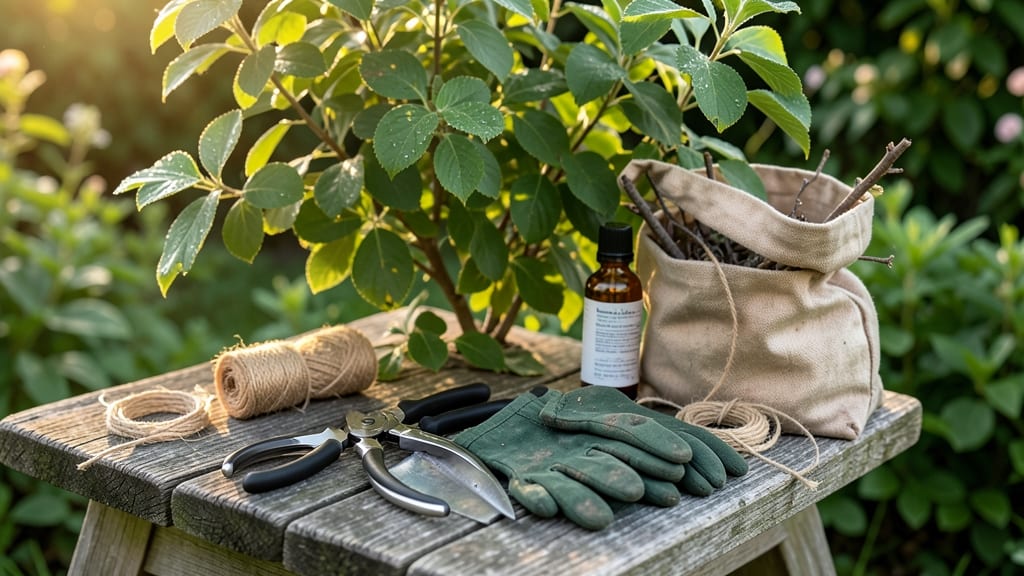
Late-winter is when your viburnum bushes wake up from dormancy—and that’s exactly when to trim them for next year’s best blooms. ✂️ I’ve learned the hard way that cutting too early or too late can rob these shrubs of their spring show, but the right timing and technique transforms them from scraggly to showstopping.
The secret lies in a sharp pair of pruners, a clear vision of your plant’s shape, and knowing which stems to keep (and which to sacrifice) for maximum flower power.
You’ll need just three tools: clean pruning shears, gloves, and a bucket for clippings. The real work happens in 30-45 minutes, depending on your bush’s size. Start by removing dead, crossing, or diseased branches first—these are the easy wins that instantly improve airflow and health.
Then, step back and look for stems that grew too long or thin last season; these are the ones that need to go to make room for fresh, vigorous growth.
What you’ll end up with is a bush that bursts with new growth by late spring, followed by clusters of fragrant flowers in early summer.
The key is cutting just above a outward-facing bud or leaf node—this encourages branches to grow outward, creating that lush, rounded shape we all love. And here’s the bonus: properly pruned viburnums produce 20-30% more blooms the following year, plus they resist pests and diseases better than neglected bushes.
Works for all viburnum varieties—whether you’re dealing with a sprawling Viburnum opulus or a compact Viburnum bodnantense—and adapts to both formal hedges and natural, layered looks. The best part? You’ll notice the difference within weeks, not years. Let’s get those bushes looking their absolute best for spring.
📚 In This Guide
- What you need
- Instructions
- Tips and common mistakes
- Wrapping up and next steps
What you need
- ● Pruning shears: Bypass pruners (for clean cuts on smaller branches, 4–6 inches long).
- ● Loppers: Long-handled (24–36 inches) for thicker branches (½–1½ inches in diameter).
- ● Pruning saw: Curved-tooth saw for branches thicker than 1½ inches (avoid jagged cuts!).
- ● Garden gloves: Heavy-duty, cut-resistant (e.g., leather or Kevlar) to protect hands from thorns and sharp edges.
- ● Disinfectant: Rubbing alcohol (70%+) or bleach solution (1:9 bleach:water) to sterilize tools between cuts (prevents disease spread).
- ● Rake or broom: For clearing fallen debris after pruning.
- ○ Pruning sealant (optional but helpful): Tree wound paint (only needed for large cuts > ½ inch in diameter).
- ● Measuring tape or ruler: To check branch thickness and spacing.
- ● Ladder or step stool: If your viburnum is taller than 6 feet (safety first!).
- ● Safety glasses: Protect your eyes from flying debris.
- ● Knee pads: For comfort if you’re working on the ground.
- ● Sharpener: A file or stone to keep blades razor-sharp mid-pruning.
- ● Trash bags: For easy cleanup of pruned branches.
- ● Notebook & pen: To jot down notes on your viburnum’s structure or future pruning plans.
Step-by-Step guide to trimming viburnum bushes
Here’s the method I swear by—it’s how I’ve kept my viburnums lush and blooming for years.
✂️ Step 1: Time It Right and Gather Your Tools
Late winter is your window—right after the worst cold snaps but before buds swell. I always trim my viburnums in February or early March when the ground is still frozen (prevents spreading diseases). Grab your sharp bypass pruners (dull blades tear stems) and a hand saw for thicker branches. Disinfect tools with rubbing alcohol between cuts—this prevents bacterial infections from jumping between branches.
Look for dead, crossing, or diseased branches first. These are easy to spot: they’re brown inside, hollow, or rubbing against others. Remove these immediately—they’re the biggest growth drain on your bush. I like to mark them with a piece of twine before cutting so I don’t accidentally trim healthy growth later.
✂️ Step 2: Thin Out the Center for Better Airflow
Viburnums grow dense, and that’s great for berries—but too much shade in the center chokes growth. Your goal is to create an open, vase-like shape. Start by removing 20-30% of the oldest stems at the base. These are the thickest branches, usually 3-4 years old, that no longer produce well. Cut them back to the ground to encourage younger, more vigorous growth.
Next, thin out any branches growing inward. You’ll see them crossing or rubbing against others. Make clean cuts just above an outward-facing bud. I always step back after each cut to check the shape—it’s easy to overdo it. Aim for a bush that lets light and air circulate freely to the center.
✂️ Step 3: Shape the Outer Canopy
Now for the fun part—giving your viburnum its signature rounded form. Focus on the outer branches, cutting back one-third of the current season’s growth to encourage bushier, fuller growth next year. For flowering viburnums, avoid heavy pruning on stems that flowered the previous year—those blooms come from old wood.
Use your pruners at a 45-degree angle, about ¼ inch above a bud that faces outward. This ensures new growth will fill in gaps. If a branch is too thick for pruners, use your hand saw and make the cut just outside the branch collar (the swollen area where the branch meets the trunk). Never leave stubs—they invite disease.
⏰ Step 4: Clean Up and Monitor Recovery
After trimming, rake up all the debris and dispose of it in the trash—never compost pruned viburnum material, as it can harbor diseases. Water the base of the bush deeply to help it recover from the stress of pruning. I give mine about 1-2 gallons of water spread evenly over the root zone.
Watch for new growth in 4-6 weeks. Healthy viburnums will sprout fresh green shoots from the buds you left behind. If you see yellowing leaves or wilting, it’s a sign of over-pruning or stress. In that case, hold off on heavy trimming next year and focus on thinning instead.
Tips & tricks for perfect late-winter viburnum pruning
Here's what nobody tells you about transforming your viburnum from overgrown to thriving—these are the secrets I've learned after years of trial and error.
The Timing Secret: February or early March is non-negotiable for disease prevention, but there's a hidden window within that month. If your area gets heavy frost after bud swell, wait until after the last frost date—typically 7-10 days after the official last frost warning. I check my local weather service's frost-free date and add a week buffer. This ensures you're cutting before the plant's energy shifts to new growth.
Branch Identification Trick: For those tricky branches that look healthy but aren't, do the "scratch test" in Step 1. Scratch the bark with your fingernail—healthy wood will be green underneath, while dead wood will be brown. For flowering viburnums, look for the telltale clusters of last year's dried flowers on branches—these are your "old wood" branches that need protection. Remember to avoid cutting these stems that flowered the previous year.
Pruning Geometry: When shaping the outer canopy in Step 3, think about creating a "Y" shape with your cuts. This natural branching pattern encourages stronger growth. For thicker branches, make your cut just outside the branch collar—this swollen area is where the branch naturally heals. I like to visualize the branch as a clock face: if the branch is at 10 o'clock, make your cut at 11 o'clock to leave that outward-facing bud intact.
Recovery Boost: After your deep watering in Step 4, add a layer of mulch around the base (but keep it 2-3 inches away from the trunk) to retain moisture and regulate soil temperature. I use shredded bark mulch because it breaks down slowly and adds organic matter. This helps your viburnum recover faster from the stress of pruning, especially important when you're removing 20-30% of the oldest stems.
Pro Tips for Trim Viburnum Bushes
- Here's what nobody tells you about transforming your viburnum from overgrown to thriving—these are the secrets I've learned after years of trial and error.
- The Timing Secret: February or early March is non-negotiable for disease prevention, but there's a hidden window within that month.
- Branch Identification Trick: For those tricky branches that look healthy but aren't, do the "scratch test" in Step 1.
Frequently asked questions
Got questions about trimming your viburnum bushes? You’re not alone—pruning can feel tricky! Here are answers to the most common concerns, so you can confidently shape your shrubs for a stunning late-winter makeover.
When is the best time to trim viburnum bushes?
The ideal window is late winter to early spring (before new growth starts), ideally in February or March in most climates. This timing promotes healthy blooms and prevents disease. Avoid pruning in fall—it can leave cuts vulnerable to winter damage.
How much can I cut back my viburnum bush?
Most viburnums tolerate 1/3 to 1/2 of their height removed at once. For deciduous types (like Viburnum dentatum), cut back to outer buds to encourage bushier growth. Evergreens (like Viburnum tinus) need lighter trims—just shape and remove dead wood.
Why aren’t my viburnum flowers blooming after pruning?
If your bush skips blooms, you may have pruned too late (after buds formed) or cut back old-wood bloomers (like Viburnum carlesii) too aggressively. Solution: Prune right after flowering for next year’s blooms, or avoid heavy cuts on spring-flowering varieties.
Can I trim viburnum bushes in summer?
Yes, but lightly—focus on shaping, deadheading spent blooms, or removing suckers. Heavy summer pruning can stimulate tender new growth that may not harden off before winter. If you must prune, do it after mid-summer to avoid stress.
What if my viburnum looks leggy after trimming?
Leggy growth often means you pruned too high or didn’t cut back enough. Next time, aim for balanced cuts—trim just above outward-facing buds (about ¼ inch above) and avoid "topping" the bush. Fertilize lightly in spring to encourage denser foliage.
Wrapping up and next steps
Trimming your viburnum bushes in late winter isn’t just about tidying up—it’s a powerful way to boost health, shape growth, and set the stage for stunning blooms! By following the right techniques, timing, and tools, you’ll encourage lush foliage, vibrant flowers, and a well-manicured landscape.
Whether you’re a seasoned gardener or just starting out, a little pruning goes a long way.
Ready to give your viburnums the care they deserve? Grab your pruners, roll up your sleeves, and get started—your bushes (and future spring blooms) will thank you! 🌿✨