
Planting
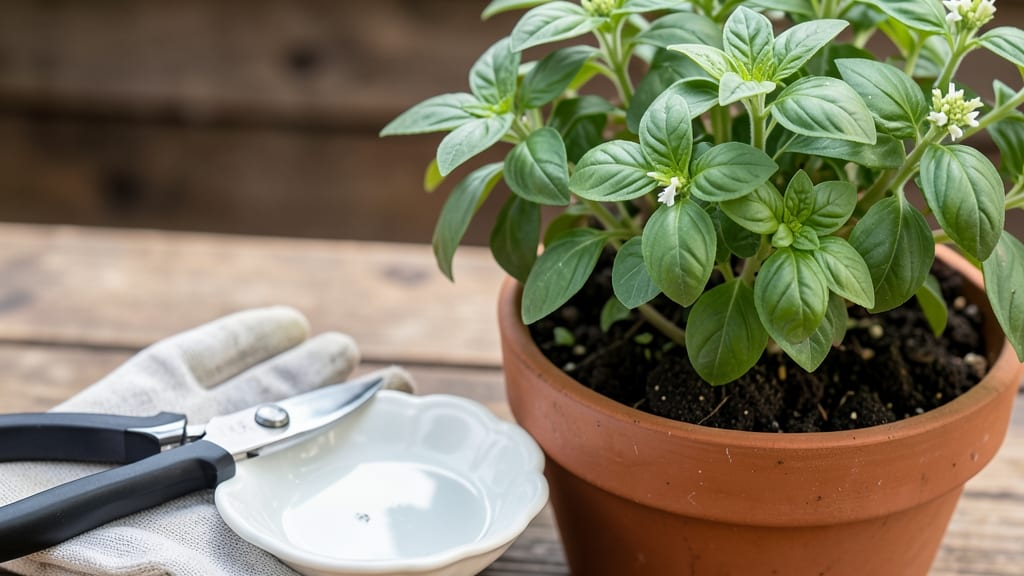
To make a basil plant bushy, start by pinching off the top sets of leaves when the plant reaches about 6 inches tall. 🌱 This simple trick tells the plant to focus on growing wider instead of just taller, and I’ve seen my basil go from leggy to lush in just a few weeks with this method alone.
The key is consistency—pinch regularly every 2-3 weeks to encourage new side shoots. Basil thrives in full sun (6+ hours daily) and well-draining soil, so make sure your plant isn’t sitting in soggy soil or crowded roots. Overwatering or poor drainage can undo all your pruning efforts in no time.
What you’ll end up with is a compact, leafy basil plant that produces more harvests than you can use. The leaves stay tender and flavorful, and you’ll have enough to share with neighbors—no more buying wilted bunches from the grocery store.
Plus, the bushier shape makes it more resistant to pests and disease.
Works for both container-grown basil and in-ground plants, and the same principles apply whether you’re growing sweet basil, Thai basil, or purple basil. Just remember: the more you prune, the bushier it gets—so grab those scissors and get started!
📚 In This Guide
- What you need
- Instructions
- Tips and common mistakes
- Wrapping up and next steps
What you need
- ● Basil plant – A healthy seedling or young plant (genovese, sweet, or Thai basil work great!)
- ● Pruning shears or clean scissors – Sharp, sterilized tools to avoid damaging the plant.
- ● Well-draining potting mix – A high-quality, organic blend (or add perlite for extra drainage).
- ● 6-inch or larger pot – Ensure it has drainage holes to prevent root rot.
- ● Watering can or spray bottle – For gentle hydration without over-saturating.
- ○ Balanced liquid fertilizer (optional but helpful) – A 10-10-10 or organic option like fish emulsion.
- ● Grow lights or sunny windowsill – Basil thrives in 6+ hours of sunlight daily.
- ● Plant food or compost – Boosts nutrient-rich soil for faster growth.
- ○ Glove (optional) – Protects hands from sap (which can irritate skin).
- ● Container or jar for water propagation (if propagating cuttings) – Helps root new stems.
Step-by-Step instructions for pruning basil to encourage bushy growth
Here's how I transform leggy basil into a dense, leafy powerhouse—no fancy tools needed.
✂️ Step 1: Identify and Prune Leggy Stems
Start by pinching off the top sets of leaves when the plant reaches about 6 inches tall. This might feel counterintuitive—you're removing growth—but it forces energy into side branches instead. Look for stems that are stretching tall and thin; these are your first targets. Use clean scissors or fingers to make the cut just above a leaf node (the bump where leaves grow).
Real talk: If you skip this, your basil will keep growing upward like a single stalk of spaghetti. The key is timing—do this when you see 4-6 true leaves forming. You'll notice new side shoots within 5-7 days of pruning.
🌿 Step 2: Encourage Side Branches with Regular Pinching
Every 2-3 weeks, check for stems with just 2-3 leaves and pinch them back again. This keeps the plant compact and stimulates branching. Focus on the lower stems first—they'll develop into sturdy, leafy branches. I like to work in the morning so plants have the whole day to recover before evening heat.
Don't overdo it—never remove more than 1/3 of the plant's foliage at once. You'll see the difference immediately: instead of one tall stem, you'll get a bushy mound. Watch for new growth at leaf nodes; that's your reward for pruning.
☀️ Step 3: Provide Optimal Light and Water
Bushy basil needs 6-8 hours of direct sunlight daily. If leaves start growing pale or stems stretch toward the light, move it closer to the window or supplement with a grow light. I place my basil on a south-facing windowsill where it gets morning sun and afternoon shade—this prevents sunburn while keeping growth strong.
Water when the top inch of soil feels dry, but never let it sit in soggy soil. Overwatering causes roots to suffocate, which weakens the plant's ability to support all those new branches. A good rule: water deeply but less frequently—basil handles drought better than soggy roots.
🌱 Step 4: Harvest Leaves to Stimulate More Growth
Here's the trick: harvest leaves regularly! Pinch off the outer leaves when they reach 2-3 inches long. This might seem like you're slowing growth, but it actually tells the plant to produce more leaves. I harvest every 7-10 days, always cutting just above a leaf node to encourage branching.
Never take more than 1/4 of the plant at once. You'll notice new leaves filling in within a week—that's your plant responding to the pruning. The more you harvest, the bushier it gets. Save the cuttings in water for rooting if you want to propagate new plants!
⏰ Step 5: Maintain Through the Season
Continue pinching and harvesting all season long. In late summer, if your basil starts flowering, snip those buds immediately—they sap energy from leaf production. I also fertilize lightly every 4-6 weeks with a balanced liquid fertilizer to keep growth vigorous.
By fall, your basil should be a dense, leafy bush instead of a single stalk. If it gets leggy again, just repeat the pinching process. The more you prune, the more your plant rewards you with lush, flavorful leaves.
Tips & tricks for perfect bushy basil growth
Here's what nobody tells you about turning leggy basil into a leafy monster—these tricks work every time.
Timing is Everything: The 6-8 hours of sunlight mentioned in Step 3 is non-negotiable for bushy growth. I've learned this the hard way—when my basil gets less than 6 hours, those side branches turn weak and floppy. Place your plant where it gets morning sun and afternoon shade to prevent sunburn while still getting full light exposure. If you're using grow lights, keep them 6-12 inches away and run them for 12-14 hours daily to supplement natural light.
Pruning Technique That Changed Everything: When pinching in Step 1 or Step 2, always make your cuts at a 45-degree angle just above a leaf node. This creates a larger surface area for new growth to emerge. I also use my fingers instead of scissors for small pinches—it gives me better control. If you're nervous about pinching, start with just the top sets of leaves and work your way down as the plant gets bushier. The goal is to encourage branching, not strip the plant bare.
Watering Wisdom: That "top inch of soil feels dry" rule in Step 3 is perfect, but here's the secret: water at the base of the plant, not the leaves. Wet foliage can lead to fungal issues, especially in humid conditions. I use a watering can with a narrow spout to direct water right at the soil. Also, make sure your pot has drainage holes—basil hates soggy roots. If you notice the leaves wilting slightly in the afternoon, that's normal and means your plant is thirsty. A good soak in the morning usually revives it by evening.
Harvesting Hack: In Step 4, when harvesting those 2-3 inch leaves, don't just grab any leaves—focus on the larger, mature ones on the outer edges. These leaves are fully grown and won't stunt new growth. I also harvest in the morning after the dew has dried but before the midday heat. The leaves contain the most flavor at this time, and the plant has the whole day to recover and produce new growth. You'll be amazed how quickly new leaves fill in those harvested spots!
Pro Tips for Make Basil Plant Bushy
- Here's what nobody tells you about turning leggy basil into a leafy monster—these tricks work every time.
- Timing is Everything: The 6-8 hours of sunlight mentioned in Step 3 is non-negotiable for bushy growth.
- Pruning Technique That Changed Everything: When pinching in Step 1 or Step 2, always make your cuts at a 45-degree angle just above a leaf node.
Frequently asked questions
How often should I prune basil to keep it bushy?
Prune your basil every 2–4 weeks during its growing season (spring to fall) to encourage bushiness. Focus on trimming the top sets of leaves (about ⅓ of the plant) when it reaches 6–8 inches tall. Avoid over-pruning in winter—basil goes dormant and needs less maintenance.
When is the best time of day to prune basil?
Prune in the morning when the plant is hydrated and the air is cooler. This reduces stress on the plant and gives it time to recover before the heat of the day. Avoid pruning in the evening, as moisture can linger on leaves and invite fungal issues.
What if my basil keeps growing tall and leggy instead of bushy?
Leggy basil usually means it’s not getting enough light. Move it to a sunny spot (6+ hours of direct sunlight daily) and prune just above a leaf node to redirect energy to side branches. If indoors, supplement with a grow light. Overcrowding or poor soil can also cause this—ensure it has room to breathe!
Do I need to fertilize basil after pruning?
Yes! After pruning, basil needs nutrients to bounce back. Use a balanced, water-soluble fertilizer (like 10-10-10) diluted to half-strength every 4–6 weeks during growing season. Avoid over-fertilizing—too much can burn roots or lead to excessive leaf growth over flowers.
Can I use basil cuttings from the grocery store to grow a bushy plant?
Grocery-store basil often has flowering stems (which reduce leaf production), so snip those off first. Place the cuttings in water until roots form (1–2 weeks), then transplant to soil. Prune regularly to encourage bushiness—just like with store-bought seedlings!
What do I do with basil if it gets too cold or stops growing?
Basil is tender and frost-sensitive. If temperatures dip below 50°F (10°C), move it indoors near a sunny window. Reduce watering and prune lightly to manage stress. In winter, basil may go dormant—just wait for spring to resume pruning and fertilizing.
Still stumped? Drop your question in the comments—we’re happy to help!
Wrapping up and next steps
Growing a lush, bushy basil plant is totally within your reach—just follow the pruning tricks and care tips we’ve shared! 🌿 With consistent pinching, proper light exposure, and a little patience, you’ll soon enjoy a thriving basil plant bursting with flavorful leaves. Now that you’re armed with the know-how, why not share your green thumb success with friends or experiment with new recipes?
Ready to take it further? Try harvesting your basil regularly to encourage even more growth—or propagate cuttings to expand your garden! Happy gardening! 🌱