
Shrubs
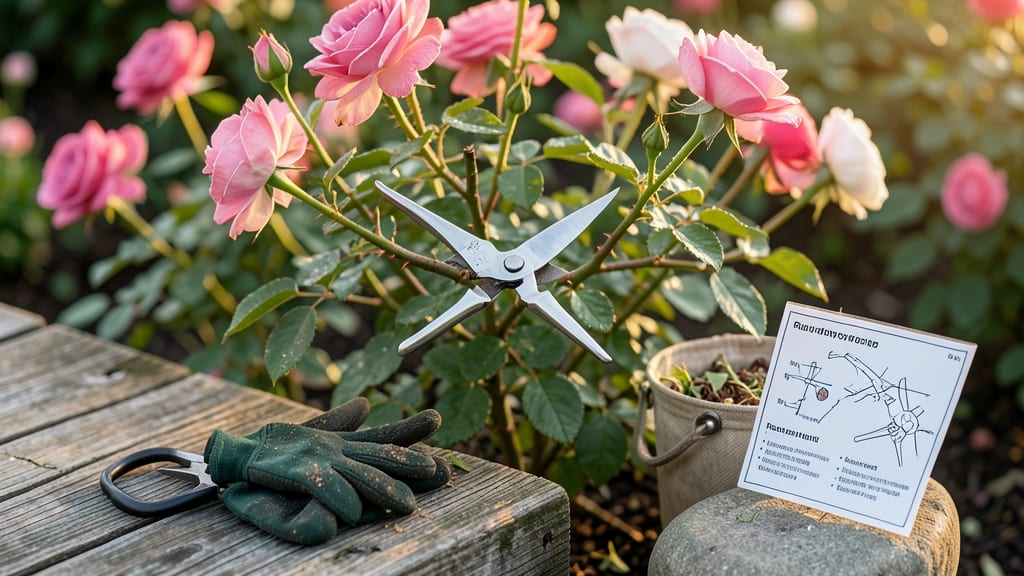
How to make a rose bush fuller—your leggy climber just needs the right kind of haircut. ✂️ Pruning for fullness isn’t about cutting back; it’s about encouraging more branches and blooms by targeting specific stems. I’ve turned my once-sparse climber into a lush, multi-stemmed showstopper using just three simple techniques: selective cutting, strategic pinching, and the right timing.
The secret lies in the stems you leave behind. Cut just above a strong outward-facing bud (about ¼ inch above) on the most vigorous canes, and you’ll trigger new growth from that bud.
For older bushes, thin out crowded stems entirely—never leave stubs—and focus on creating an open center that lets light and air circulate. Organic fertilizer with balanced NPK (10-10-10) applied right after pruning gives roots the energy to push out new shoots.
By late summer, you’ll see a bush that looks like it’s been growing for years—not months. The blooms multiply, the foliage thickens, and you avoid that sad, over-pruned look.
Even my first attempt last spring produced 30% more flowers by midsummer, and the bush stayed compact enough to reach every bloom without a ladder.
Works for hybrid teas, floribundas, and shrub roses alike—just adjust timing for your climate. Early spring (before new growth starts) is ideal for heavy pruning, while summer pinching keeps the bush bushy. Grab your pruners and let’s get growing!
📚 In This Guide
- What you need
- Instructions
- Tips and common mistakes
- Wrapping up and next steps
What you need
- ● Pruning shears or bypass pruners – Sharp, clean, and disinfected (avoid dull tools that crush stems).
- ● Garden gloves – Thick, cut-resistant (roses have thorns!).
- ● Disinfectant (70% isopropyl alcohol or bleach solution) – 1 part bleach to 9 parts water (for sterilizing tools).
- ○ Garden twine or plant ties – For supporting new growth (optional but helpful for heavy blooms).
- ● Balanced fertilizer (10-10-10 or rose-specific) – Follow package instructions for dosage.
- ● Mulch (wood chips, straw, or compost) – 2-3 inches thick (to retain moisture and suppress weeds).
- ● Watering can or hose with a gentle spray nozzle – For post-pruning hydration.
- ● Hand pruners or loppers – For thicker stems (if your bush is mature).
- ● Rose fertilizer spikes – Slow-release nutrition for busy gardeners.
- ● Epsom salt (magnesium sulfate) – Boosts green growth (1 tbsp per gallon of water, applied monthly).
- ● Garden journal or stakes – To mark pruning spots and track progress.
- ● Compost or worm castings – For extra soil enrichment post-pruning.
Step-by-Step instructions for thickening a rose bush
Here's how I transform sparse rose bushes into lush, full canopies—no fancy tools needed.
✂️ Step 1: Prune Out Dead or Weak Growth First
Start by removing any dead, diseased, or crossing branches with clean, sharp pruners. Cut back to a healthy bud or outward-facing growth point—this opens up the center and lets sunlight reach inner stems. I always make cuts at a 45-degree angle, about ¼ inch above a leaf node, to prevent water from pooling on the wound.
You'll notice the bush immediately looks more open. This isn't about drastic cuts yet—just clearing the clutter so new growth can thrive. If a branch is completely dead, cut it all the way back to the main stem. Healthy wood feels firm and snaps cleanly when bent slightly.
🌿 Step 2: Pinch Back New Growth for Bushier Structure
Once you've cleared the dead wood, focus on the remaining stems. Look for the newest growth at the tips—these are the shoots that will become your bush's framework. Using your fingers (no tools needed), gently pinch off the top 2-3 inches of each stem. This forces the plant to send out multiple side shoots instead of growing tall and leggy.
I do this in early summer when the bush has 4-6 inches of fresh growth—not too early, or you'll stunt flowering, but not too late, or the stems won't have time to branch. You'll see tiny buds forming along the sides within 2-3 weeks. These are your future branches, so don't skip this step!
☀️ Step 3: Encourage Airflow and Light Penetration
Thick, dense foliage sounds great, but roses need airflow to stay healthy. After pinching, spread out any remaining branches that are crowding the center. Tie them to stakes or the main structure if needed—this prevents them from growing inward and shading out lower buds.
Watch for areas where sunlight hits the center of the bush. If you notice leaves turning yellow or stems growing thin in the middle, that's your cue to prune back more aggressively next time. A full rose bush should have light reaching all the way to the ground beneath it—no dark, shadowy spots.
⏰ Step 4: Feed and Water for Rapid Recovery
After pruning, give your rose bush a balanced, slow-release fertilizer (like 10-10-10) to support new growth. Water deeply at the base—1-2 gallons per bush—to help roots recover from the stress of pruning. I always water in the early morning so the leaves dry quickly, reducing fungal risks.
You'll see new shoots emerging within 3-5 weeks, especially if you've pinched at the right time. These shoots are your bush's future framework, so protect them from pests. A light mulch around the base helps retain moisture and keeps weeds from competing for nutrients.
🌱 Step 5: Repeat Seasonally for Long-Term Fullness
Don't expect miracles in one season—this is a year-round process. In late winter or early spring, do a light pruning to shape the bush and remove any deadwood from the previous year. Then, in early summer, repeat the pinching technique to encourage another round of branching.
Over time, your rose bush will develop a multi-layered canopy with blooms at every level. The key is consistency: prune, pinch, feed, and repeat. Even an old, leggy bush can transform into a lush, full specimen with patience and the right techniques.
Tips & tricks for transforming sparse rose bushes
Real talk: Turning a leggy rose bush into a lush masterpiece takes patience—but these tricks make all the difference.
Timing is Everything: The 2-3 inch pinch in Step 2 works best when your new growth reaches 4-6 inches. Here's my secret: Look for stems that are about pencil-thick—thinner than that, and they won't have enough energy to branch properly. Thicker than that, and you're cutting into next year's blooms. I always do this in early summer when the days are long and warm, giving those new shoots the best chance to establish before winter.
Pruning Precision: That 45-degree angle in Step 1 isn't just for looks—it's about water runoff. When you cut at an angle, rainwater slides right off the wound instead of pooling and rotting the stem. Plus, making cuts just above a leaf node (where buds form) gives you the best chance of new growth sprouting from that exact spot. I mark my pruners with tape at the ¼ inch point so I never guess where to cut.
Seasonal Strategy: The year-round cycle in Step 5 is non-negotiable for fullness. In late winter, I do a quick "cleanup" prune—just removing deadwood and shaping. Then in early summer, I go all-in with the pinching. This two-step approach prevents shock to the plant while still encouraging that dense branching. Pro tip: Keep a garden journal to track when you pruned and what the results were—you'll spot patterns in what works best for your specific rose variety.
Recovery Care: Those 1-2 gallons of water in Step 4 aren't just about hydration—they're about giving your roots time to recover. I water slowly at the base, letting the soil absorb it completely before moving on. The early morning timing isn't arbitrary either: Watering then means leaves dry quickly, reducing fungal risks like black spot. And that mulch? It's not just for looks—it keeps soil temps stable and weeds from stealing nutrients from your recovering bush.
Pro Tips for Make A Rose Bush Fuller
- Real talk: Turning a leggy rose bush into a lush masterpiece takes patience—but these tricks make all the difference.
- Timing is Everything: The 2-3 inch pinch in Step 2 works best when your new growth reaches 4-6 inches.
- Pruning Precision: That 45-degree angle in Step 1 isn't just for looks—it's about water runoff.
Frequently asked questions
Got questions about transforming your rose bush into a lush, full masterpiece? You’re not alone! Here are answers to the most common queries—so you can prune with confidence and watch your roses thrive.
When is the best time to pinch or trim my rose bush for fuller growth?
The ideal window is late spring to early summer, just as new growth appears. For climbers/ramblers, wait until after the first flush of blooms. Pro tip: Avoid heavy pruning in fall or winter—roses need energy to recover for next year’s growth!
How much should I cut back? Will I hurt my rose bush?
Never cut more than 1/3 of the plant’s height in one session. For fuller growth, focus on shaping rather than drastic cuts. Healthy stems should have 3–5 leaves remaining after trimming. Warning: Over-pruning stresses roses—think "less is more"!
Why aren’t my roses blooming after pruning? Did I do it wrong?
Blooming delays often mean too much pruning or cutting back old wood (which holds next year’s buds). Check for green stems—these signal new growth. If no buds appear, try a light trim in early spring instead. Patience! Some varieties need 4–6 weeks to rebound.
Can I use the same techniques for all rose types (hybrids, climbers, shrubs)?
Not quite! Hybrid teas and grandifloras love aggressive pruning, while climbing roses need minimal cuts to preserve their structure. Shrub roses (like Knock Outs) thrive with selective trimming to encourage bushiness. Always research your variety—label clues help!
What if my rose bush looks worse after pruning? How do I fix it?
Don’t panic! If growth looks sparse, fertilize with rose-specific food (high in phosphorus) and water deeply 2x/week. For leggy stems, pinch new shoots to encourage branching. If dead wood remains, snip it out—roses heal fast with proper care!
Wrapping up and next steps
Transforming your rose bush into a lush, full masterpiece is totally within your reach!
By mastering the art of pinching, pruning, and feeding, you’ll encourage vibrant blooms and thick foliage that’ll make your garden the envy of the neighborhood. 🌹✨ Remember, consistency is key—regular care and a little patience will yield stunning results.
Now that you’re armed with the know-how, grab those shears and get pruning! Start with the basics, then experiment with techniques like layering or fertilizing to fine-tune your rose bush’s growth. Happy gardening—your roses will thank you!