
Shrubs
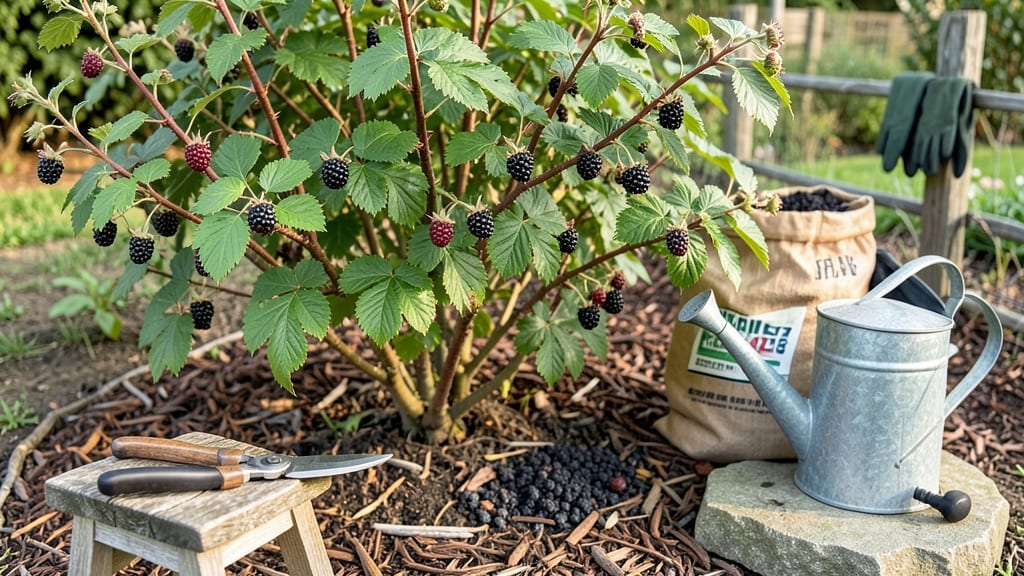
Blackberry bushes that refuse to produce fruit are often just waiting for the right pruning. 🌿 I’ve had canes that looked healthy but produced nothing until I learned these three pruning tricks that triggered a harvest of pounds of berries in just one season.
The biggest mistake? Cutting back too late or too aggressively. Blackberries bloom on new wood—last year’s growth—and pruning at the wrong time removes next year’s fruit. Timing matters: prune in late winter or early spring before buds swell, and focus on removing dead, weak, or crossing canes first.
You’ll see the difference immediately: thicker, more vigorous canes with hundreds of flower clusters by spring. The berries arrive earlier, ripen faster, and taste sweeter because the plant isn’t wasting energy on crowded, competing growth.
Works for thornless varieties too, and the same principles apply whether you’re growing in a backyard patch or a small container. Let’s get those canes producing!
📚 In This Guide
- What you need
- Instructions
- Tips and common mistakes
- Wrapping up and next steps
What you need
- ● Pruning shears or loppers: Sharp, bypass-style shears (for clean cuts) or loppers (for thicker branches). Size: 6-8" blades for shears, 8-12" for loppers.
- ● Gloves: Heavy-duty, gardening gloves (preferably with cut-resistant palms) to protect from thorns and debris.
- ● Disinfectant: Rubbing alcohol (70%+) or hydrogen peroxide (3%) to sterilize tools between cuts (prevents disease spread).
- ● Pruning saw: Folding pruning saw (for branches thicker than 1.5 inches). Teeth: Fine-toothed for clean cuts.
- ● Rake or broom: For clearing debris and fallen berries post-pruning.
- ○ Markers or flags: Plastic plant tags or brightly colored flags to label pruned sections (optional but helpful for tracking growth).
- ● Mulch: Organic mulch (e.g., straw, wood chips, or shredded leaves) to retain moisture and suppress weeds. Thickness: 2-3 inches.
- ● Hand pruners with a longer handle: For reaching high branches without straining.
- ● Knee pads or stools: For comfort during long pruning sessions.
- ● Compost or fertilizer: Balanced 10-10-10 or organic compost to replenish nutrients after pruning.
- ● Bird netting: To protect ripe berries from hungry birds (if you’re growing for harvest!).
- ● Spray bottle with water: To dampen dusty tools or rinse off sap.
How to get blackberry bushes to produce: boost berries with 3 proven pruning tricks
Blackberry bushes are stubborn fruit producers—until you learn these three pruning secrets.
✂️ Step 1: Identify and Remove Old Canes in Late Winter
Blackberries produce berries on second-year canes, so last year's fruiting canes are now spent. In late winter (just as buds swell but before leaves appear), cut these brown, dead-looking canes back to the ground. I grab each cane and look for the hollow center—if it's solid and brown, it's done fruiting. These canes won't produce again, so removing them opens space for new growth.
Use clean, sharp pruners to avoid tearing the bark. I like to make a clean cut at the base, about ¼ inch above the soil line. This prevents disease from lingering in ragged cuts. After pruning, rake up and discard the old canes—don't compost them, as they may harbor pests or diseases that could infect new growth.
🌱 Step 2: Thin New Canes to 4-6 Strong Shoots Per Bush
In early spring, focus on the new green canes that emerge from the base. These are your future fruit producers, but too many competing for space means small, poor-quality berries. Select the 4-6 thickest, straightest canes and prune the rest down to the ground. I look for canes that are at least pencil-thick and growing upright—they'll have the best structure for fruit production.
Thinning now might seem harsh, but it pays off in larger berries and fewer pests. Weak, thin canes are more prone to disease and produce smaller yields. After thinning, water deeply to help the remaining canes establish strong roots. You'll see new shoots emerge from the base later in the season—these are your primocanes, which will fruit next year if you let them grow.
☀️ Step 3: Prune for Airflow and Sun Exposure Mid-Season
As the season progresses, summer pruning keeps your bushes healthy and productive. In June or July, remove any canes that are crossing, rubbing, or growing inward. These canes create shaded areas where humidity builds, inviting fungal diseases like anthracnose. I also cut back any canes that are weak, spindly, or diseased—these won’t contribute to a good harvest and may spread problems.
Trim back any suckers growing from the roots more than 12 inches away from the main plant. These steal energy from the fruiting canes. After pruning, I give the bushes a light feeding with a balanced fertilizer (10-10-10) to encourage strong growth for next year’s crop. Watch for new primocanes forming at the base—these are your future fruiting canes, so let them grow unchecked until winter.
⏰ Step 4: Prepare for Next Year’s Harvest in Fall
In late fall or early winter, do a final check for any remaining dead or weak canes and prune them out. This keeps the bush tidy and reduces overwintering pests. I also remove any old fruit clusters that might still be clinging to the canes—these can harbor diseases. After pruning, apply a 2-3 inch layer of mulch around the base to insulate the roots and retain moisture.
This is also the time to label your bushes if you have multiple varieties. I tie a tag to one of the main canes so I don’t accidentally prune the wrong variety next year. By following these steps, your blackberry bushes will enter dormancy strong and ready to burst into fruit next season. Patience pays off—within 2-3 years, you’ll have a bush bursting with berries.
Tips & tricks for perfect blackberry bush pruning
These simple tricks will transform your blackberry bushes from underperformers to berry-producing powerhouses.
Timing is Everything: Late winter pruning (just as buds swell) is critical because it targets last year's spent canes before new growth begins. I've learned the hard way—if you prune too early, you risk cutting off next year's fruit producers. Wait until you see those first tiny buds swelling, but before leaves appear. This window is usually February to early March in most climates, but check your local frost dates to be safe.
Pruning Tool Precision: Using clean, sharp pruners isn't just about making clean cuts—it's about preventing disease spread. I always sterilize my pruners with rubbing alcohol between cuts, especially when dealing with diseased canes. The ¼ inch above soil line cut mentioned in Step 1 is perfect because it removes old cane bases where pests might hide while leaving enough root connection for new growth.
Visual Cane Identification: The hollow center test is foolproof for identifying spent canes. If you're unsure, make a small cut—if it's brown and hollow inside, it's done fruiting. I keep a small notebook by my pruners to track which canes I've cut, marking them with a pencil if needed. This helps me remember which varieties I've pruned when new growth appears.
Seasonal Maintenance Strategy: Summer pruning in June or July isn't just about removing crossing canes—it's about creating an open structure that prevents fungal diseases. I always prune on a dry morning after the dew has evaporated. This reduces the chance of spreading spores from diseased canes. The 12-inch rule for suckers is a great guideline, but I often make exceptions for vigorous plants where I want to expand the bush.
Pro Tips for Get Blackberry Bushes To Produce
- These simple tricks will transform your blackberry bushes from underperformers to berry-producing powerhouses.
- Timing is Everything: Late winter pruning (just as buds swell) is critical because it targets last year's spent canes before new growth begins.
- Pruning Tool Precision: Using clean, sharp pruners isn't just about making clean cuts—it's about preventing disease spread.
Frequently asked questions
Got questions about coaxing those luscious blackberries from your bushes? You’re not alone! Here are some of the most common concerns—and straightforward answers—to help you troubleshoot and thrive.
Why aren’t my blackberry bushes producing berries this year?
Blackberries often need two years to mature before fruiting. If they’re established but still struggling, check for pruning mistakes (like cutting back too late), poor sunlight (they need 6+ hours daily), or nutrient deficiencies. Thinning canes and fertilizing with compost can turn things around!
When is the best time to prune for maximum berry production?
Prune late winter or early spring (before buds swell) to remove dead, weak, or crossing canes. Summer pruning (after harvest) helps control growth. Pro tip: Always keep 3–5 strong canes per plant—they’ll produce the juiciest berries!
Do blackberry bushes need winter protection to fruit well?
In cold climates (Zones 5–7), mulch heavily with straw or leaves (6+ inches) to insulate roots. For everbearing varieties, protect canes with burlap or row covers in harsh winters. No winter prep? Young plants may struggle, but mature bushes often bounce back!
Can I grow blackberries in containers? Will they produce as well?
Yes! Use a large pot (15+ gallons) with well-draining soil and a trellis for support. Container-grown blackberries can fruit, but they may yield less than in-ground plants. Choose compact varieties like ‘Arapaho’ or ‘Natchez’ for better results.
What should I do if my blackberries are small or misshapen?
Small/misshapen berries often signal overcrowding (too many canes) or pests (like spider mites or birds). Thin canes aggressively, handpick damaged fruit, and use row covers if birds are the culprit. Bonus: Consistent watering (1–2 inches/week) plumps up berries too!
Wrapping up and next steps
Growing lush blackberry bushes that burst with fruit is totally within your reach! By mastering the three proven pruning tricks—summer tipping, winter renewal cuts, and cane thinning—you’ll unlock a bountiful harvest year after year.
Remember, patience and consistency are key, so don’t rush the process. Your hard work will pay off with juicy, ripe berries that’ll make your neighbors green with envy! 🍇
Ready to take the next step? Grab your pruners and schedule your first pruning session—whether it’s summer tipping or winter cleanup. And if you’re feeling ambitious, experiment with different varieties to see which thrives best in your climate. Happy pruning!