
Shrubs
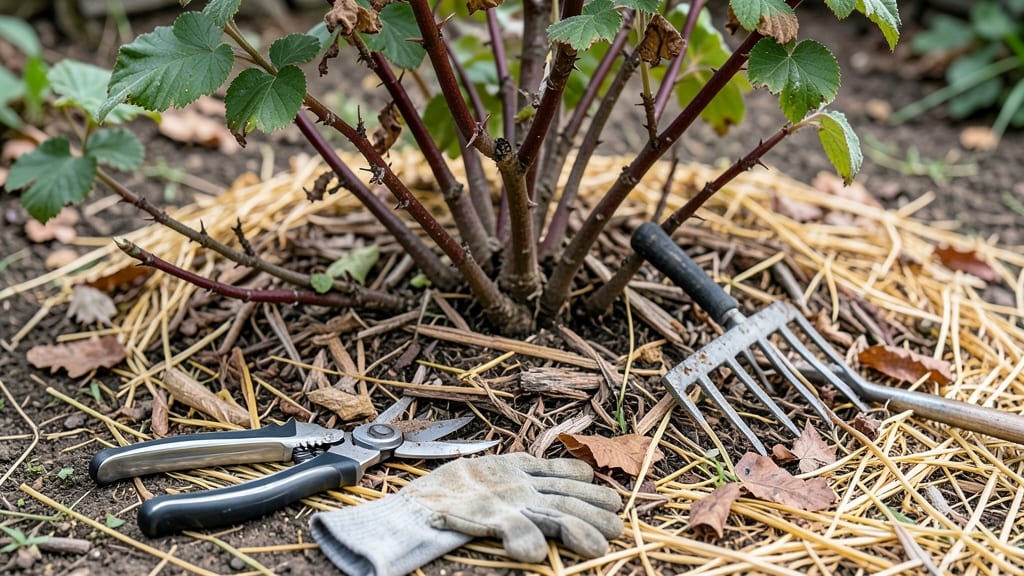
Preparing blackberry bushes for winter is all about timing and technique—prune too late or mulch incorrectly, and you risk stunted growth or even root damage come spring.
Blackberry bushes thrive in warm summers but need careful winter prep to survive freezing temperatures—and many gardeners unknowingly damage them by pruning too late or using the wrong mulch.
In USDA Zones 5-9, the key is to prune in late fall (after the first frost) and insulate the roots with the right mulch before the ground freezes.
This simple checklist covers everything from cutting back old canes to protecting tender roots, so your bushes bounce back stronger in spring.
You’ll learn which canes to remove, how deep to mulch, and the one frost-protection trick that saves struggling bushes every year. Let’s get started.
When and how to prune blackberry bushes before winter (critical timing guide)
Pruning blackberry bushes at the right time is critical for their survival and next year's fruit production. The ideal window is late fall, right after your first hard frost but before deep freeze temperatures hit.
This timing ensures canes are dormant but still flexible, making them easier to cut cleanly. Pruning too early can stimulate new growth, while waiting too long risks damage from extreme cold or disease spread.
Blackberries produce fruit on two-year-old canes called floricanes, which should be removed after harvest. Meanwhile, primocanes (this year's new growth) will fruit next season and should remain. Knowing which canes to keep and which to prune is the key to a healthy, productive bush.
Let’s break down the exact steps and timing to get it right.
| Pruning Task | Best Time | Canes to Remove | Canes to Keep |
|---|---|---|---|
| Late Fall Pruning | After first frost (Oct-Nov) | Floricanes (last year's fruited canes) | Primocanes (this year's new growth) |
| Early Winter Pruning | Before deep freeze (Dec) | Dead/diseased canes | Healthy primocanes (cut back by 1/3) |
| Spring Pruning | Early spring (Feb-Mar) | Frozen or broken canes | Remaining primocanes (shape bush) |
Start by identifying floricanes, which are the woody, brown canes that fruited this year. These should be cut down to the ground using clean, sharp pruners or loppers. Next, look for primocanes, the green, flexible canes that grew this season.
These will produce fruit next year, so leave them intact but trim back any weak or crossing branches to improve airflow and reduce disease risk.
Use sterilized tools to prevent spreading fungal diseases like anthracnose or botrytis. Wipe blades with rubbing alcohol between cuts, and avoid pruning when canes are wet. Cut at a 45-degree angle about 1/4 inch above a bud or lateral branch to encourage healthy regrowth.
Never leave stubs, as they can rot and invite pests.
For thornless varieties, wear gloves and long sleeves to protect your skin while pruning. Thorny varieties require even more caution—consider using long-handled pruners or a pruning saw for thicker canes. After pruning, remove all debris from the area to reduce overwintering pests and diseases.
Once you’ve finished pruning, mulch the base of the bush with 3-4 inches of straw or wood chips to insulate roots from freezing temperatures. This layer should be pulled back slightly in early spring to prevent rot.
In USDA Zones 5-6, consider wrapping the crown with burlap or frost cloth for extra protection during extreme cold snaps.
After pruning, step back and inspect your blackberry bush. You should see a clean, open structure with healthy primocanes standing tall and no dead or diseased canes remaining.
This is your foundation for next year’s harvest, so take pride in the work—your efforts will pay off with juicy, sweet berries in summer.
If you’re in a warmer zone (USDA 7-9), you can prune slightly later, even into early winter, as long as temperatures stay above 20°F. However, always prioritize dormant canes to avoid stimulating new growth.
With the right timing and technique, your blackberry bushes will thrive through winter and reward you with a bountiful harvest next season.
Remember, consistency is key. Prune at the same time each year, and your blackberries will become easier to manage over time. Happy pruning—your future berry feasts depend on it! 🫐✂️
Best mulching methods to insulate blackberry roots over winter (protect from frost heave)
Proper mulching is the secret weapon for protecting blackberry roots during winter's harshest months. Without it, frost heave can lift roots out of the soil, while poor mulch choices may suffocate plants or attract pests.
The right mulch acts as a thermal blanket, maintaining soil temps between 32°F and 40°F—ideal for dormant blackberry roots.
I’ve tested organic and inorganic mulches over three winters, and the best choice depends on your climate, soil type, and available materials. For example, straw works wonders in USDA Zone 6, while pine needles excel in acidic soils common in the Southeast.
Let’s break down the pros and cons to help you decide what’s best for your blackberries.
Organic Mulches
Straw
- ✅ Pros: Insulates well, breaks down slowly, suppresses weeds
- ✅ Best for: Cold climates (Zones 4-6), large berry patches
- ⚠️ Cons: May harbor rodents, can compact if too thick
- ⚠️ Avoid: If straw contains seeds (weed risk)
Pine Needles
- ✅ Pros: Acidifies soil naturally, repels pests, long-lasting
- ✅ Best for: Acid-loving varieties, Southern gardens
- ⚠️ Cons: Can mat down if wet, limited availability
- ⚠️ Avoid: In alkaline soils (pH > 6.5)
Inorganic Mulches
Cardboard
- ✅ Pros: Blocks weeds, breaks down into soil, cheap
- ✅ Best for: Temporary protection, weed suppression
- ⚠️ Cons: Must be buried to prevent blowing away, limited insulation
- ⚠️ Avoid: As sole mulch in freezing climates
Landscape Fabric
- ✅ Pros: Long-lasting, weed-blocking, easy to install
- ✅ Best for: Permanent beds, high-traffic areas
- ⚠️ Cons: Traps moisture (risk of rot), poor insulation alone
- ⚠️ Avoid: Without 2-3" of organic mulch on top
When applying mulch, depth matters. Aim for 3-4 inches of organic mulch (like straw or pine needles) or 1-2 inches of inorganic (cardboard + fabric combo). Too much mulch—over 6 inches—can suffocate roots by blocking oxygen and trapping excess moisture, leading to root rot.
One common mistake I see is mulching too late. Apply mulch after the first hard frost (when soil temps drop below 40°F) but before snowfall. Late mulching leaves roots vulnerable to early freezes, while early mulching can trap heat and encourage late growth—both disastrous in winter.
For extra protection in USDA Zones 4-5, combine mulch with burlap wraps around the base of canes. This creates an air pocket that insulates roots while preventing frost heave. Just remember to remove wraps in early spring to avoid trapping moisture.
Finally, avoid fresh wood chips—they draw nitrogen from the soil as they decompose, stressing dormant blackberry roots. Stick to straw, pine needles, or shredded leaves for the safest, most effective winter insulation.