
Shrubs
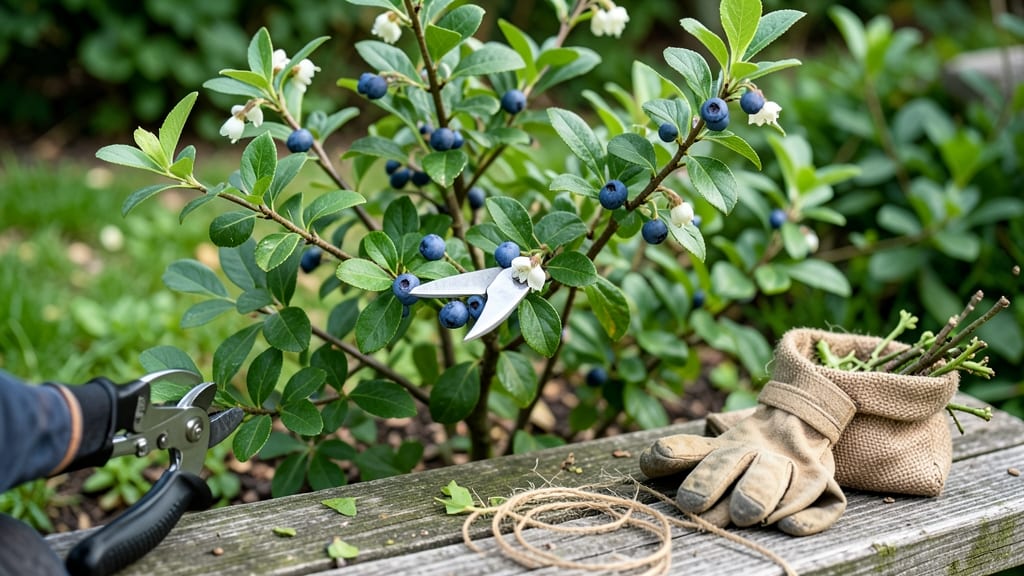
Cutting blueberry bushes the right way turns a messy tangle into a high-producing machine. 🌿 I’ve pruned mine for years, and the difference between a bush that struggles and one that bursts with fruit comes down to timing, technique, and knowing what to keep—and what to cut.
The key isn’t just trimming branches; it’s shaping the plant to focus its energy where it matters most.
You’ll need just three tools: sharp pruners (for clean cuts), gloves (to protect from thorns), and a small rake (to clear debris). The best time to prune is late winter or early spring, right before new growth starts—this gives the bush a head start on the season.
For established bushes, a light shaping in summer after harvest keeps them tidy and productive. Avoid cutting into old wood, as blueberries fruit on new growth from the previous year.
After pruning, your bush should look open in the center and full at the edges—this ensures sunlight reaches all the fruit-bearing canes. Water deeply afterward to help the cuts heal, and consider a light nitrogen-rich fertilizer to support new growth.
Within weeks, you’ll see fresh shoots pushing out, and by next season, your harvest will be bigger than ever.
This method works for both shrub and bush varieties, though dwarf types need less aggressive pruning. For advanced gardeners, layering (burying low branches to root) can expand your plant’s size over time.
The goal is always the same: more light, more air, more fruit. Let’s get those shears out!
📚 In This Guide
- What you need
- Instructions
- Tips and common mistakes
- Wrapping up and next steps
What you need
- ● Pruning shears or secateurs: Sharp, bypass-style shears (avoid anvil-type) to make clean cuts. Choose 5-inch blades for thicker branches.
- ● Loppers: For branches ½ to 1½ inches thick—look for long handles (24+ inches) for leverage.
- ● Pruning saw: A folding pruning saw with fine teeth for cutting through stubborn, woody stems (over 1½ inches thick).
- ● Gloves: Heavy-duty, gardening gloves with grip to protect against thorns and sap.
- ● Disinfectant (70% isopropyl alcohol or bleach solution): To clean tools before and after pruning to prevent disease spread.
- ● Rake or broom: For clearing debris after pruning.
- ● Watering can or hose: To hydrate plants post-pruning (especially in dry conditions).
- ● Hand pruners with a long handle: For hard-to-reach branches without a ladder.
- ● Ladder (if needed): A stable, lightweight step ladder (6+ feet tall) for taller bushes.
- ● Mulch (pine needles or wood chips): 2–3 inches thick to retain moisture and acidify soil after pruning.
- ● Plant food (acid-loving fertilizer): Like cottonseed meal or peat moss to replenish nutrients post-pruning.
- ● Safety glasses: To shield eyes from flying debris.
Step-by-step guide to pruning blueberry bushes
Blueberries thrive when pruned correctly—here’s how to keep them productive and healthy year after year.
✂️ Step 1: Prune Old Wood in Late Winter
Start your pruning in late winter (just before buds swell) when the bush is still dormant. This is the best time to remove last year’s fruiting wood—those branches that produced berries last season. These branches are typically 3-5 years old and have turned woody. Use clean, sharp pruners to cut them back to the ground or to a strong lateral branch.
Look for branches that are gray and dead-looking or have no new growth. These are the ones to remove completely. I always make my cuts at a 45-degree angle just above a bud or lateral branch to encourage better healing. This step opens up the center of the bush, allowing sunlight and air to reach the inner branches where new growth will sprout.
If your bush is older than 5 years, you might also remove some of the oldest stems at the base. These stems are often thicker than a pencil and no longer produce well. Cutting them out makes room for younger, more productive branches to take over.
🌱 Step 2: Thin Out Crowded Branches in Early Spring
Once the bush starts showing new growth in early spring (usually March or April, depending on your climate), focus on thinning out the crowded or crossing branches. These are the branches that rub against each other or grow inward, creating a tangled mess. Remove about 20-30% of the total branches to improve airflow and sunlight penetration.
I like to step back and look at the bush as a whole—this helps me spot branches that are growing in the wrong direction or blocking light from the center. Cut these back to a strong lateral branch or to the main stem. Always make your cuts just above a bud that’s facing outward. This encourages the bush to grow in a more open, productive shape.
If you see any dead, diseased, or damaged branches, remove them immediately. Look for branches with blackened tips, mold, or holes—these can spread problems to the rest of the bush. Sterilize your pruners with rubbing alcohol between cuts to prevent the spread of disease.
☀️ Step 3: Light Maintenance After Harvest
After the blueberries are harvested (typically late summer), do a quick check for any weak, spindly, or overgrown branches. These branches often grow because they didn’t get enough sunlight earlier in the season. Cut them back by one-third to encourage stronger, bushier growth next year.
This is also a good time to shape the bush for better fruit production. Look for branches that are growing too upright or too low to the ground. Trim these back to maintain a rounded, open shape that allows sunlight to reach all parts of the bush. Avoid over-pruning—you don’t want to remove more than 10-15% of the total foliage at this stage.
Finally, remove any suckers—those small, fast-growing shoots that pop up at the base of the bush. These compete with the main branches for nutrients and water. Pull them out by hand or cut them off at the base. This keeps the energy focused on the established branches where the fruit is produced.
⏰ Step 4: Monitor and Adjust Throughout the Year
Blueberries are low-maintenance once established, but a little attention goes a long way. Twice a year, give your bush a quick once-over to spot any new issues. If you notice branches growing in the wrong direction or blocking sunlight, trim them back immediately. The goal is to keep the bush open and airy—this reduces disease risk and improves fruit quality.
I always water deeply after pruning to help the bush recover. Mulch around the base with 2-3 inches of organic mulch (like wood chips) to retain moisture and keep weeds down. This also protects the roots from temperature swings, which is especially important in hot or cold climates.
Real talk: If you skip pruning, your blueberry bush will still produce fruit, but the berries will be smaller, and the bush will get crowded and disease-prone. A little effort now means bigger, sweeter berries and a healthier plant for years to come.
Tips & tricks for pruning blueberry bushes
A few simple tricks will help you avoid the most common pruning mistakes and keep your blueberry bushes thriving for years.
Timing is Everything: Late winter pruning (just before buds swell) is critical because the bush is still dormant. If you prune too early, you risk exposing fresh cuts to harsh winter winds. If you wait too long, new growth will have already started, and you'll be cutting off potential fruit-producing branches. I always check for bud swell—when you see tiny buds starting to form, it's time to prune. This timing ensures you're removing last year's fruiting wood while preserving next year's potential.
Tool Prep Makes All the Difference: Before you start cutting, sterilize your pruners with rubbing alcohol to prevent spreading disease from one branch to another. I also like to sharpen my pruners first—dull blades crush stems instead of making clean cuts, which can damage the plant. Make sure your pruners are clean and sharp for each bush you work on, especially if you're pruning multiple bushes in your garden. This simple step can prevent infections that could ruin your entire harvest.
Visual Cues for Better Cuts: When pruning, look for branches that are growing inward or crossing over others—these are the ones to remove first. I step back frequently to get the big picture, which helps me see which branches are blocking sunlight from the center. Always cut just above a bud that's facing outward—this encourages the bush to grow in a more open shape. You'll know you're making the right cuts when you see more sunlight reaching the center of the bush after pruning.
Seasonal Maintenance Matters: After harvest in late summer, focus on shaping rather than heavy pruning. Cut back weak branches by one-third to encourage bushier growth next year, but don't remove more than 10-15% of the foliage. This light maintenance helps maintain the bush's natural form while keeping it productive. I always check for suckers at the base—these fast-growing shoots steal nutrients from the main branches, so removing them keeps energy focused where it matters most.
Pro Tips for Cut Blueberry Bushes
- A few simple tricks will help you avoid the most common pruning mistakes and keep your blueberry bushes thriving for years.
- Timing is Everything: Late winter pruning (just before buds swell) is critical because the bush is still dormant.
- Tool Prep Makes All the Difference: Before you start cutting, sterilize your pruners with rubbing alcohol to prevent spreading disease from one branch to another.
Frequently asked questions
Got questions about keeping your blueberry bushes thriving? Here are answers to the most common concerns—so you can prune like a pro!
When is the best time to prune blueberry bushes?
The ideal time is late winter or early spring (before buds swell) or summer after harvest. Avoid pruning in fall—it can expose tender growth to frost damage. For established bushes, a light trim in summer (after fruiting) helps airflow and prevents disease.
How much should I cut back my blueberry bushes?
Remove about 1/3 of the oldest canes each year—they’re woody and no longer productive. Cut back to the ground if they’re dead or diseased. For younger bushes, focus on shaping and thinning crowded branches. Never remove more than 25% of the plant in one season!
Can I prune blueberry bushes in fall?
Pruning in fall is risky because it can stimulate new growth that won’t harden off before winter. If you must, do it early fall (September) and avoid heavy cuts. Most experts recommend waiting until late winter for the safest results.
What if my blueberry bush isn’t producing berries?
Poor fruiting often stems from overcrowded canes, lack of sunlight, or improper pruning. Thin out old wood, ensure 6+ hours of sun daily, and check soil pH (blueberries love acidic soil, pH 4.5–5.5). If the bush is young, be patient—it may take 2–3 years to bear fruit.
Do I need special tools to prune blueberry bushes?
You’ll need clean, sharp pruners or loppers (for thicker canes) and gloves (thorns are sharp!). Disinfect tools with rubbing alcohol between cuts to prevent disease spread. Avoid hedge trimmers—they create jagged cuts that heal poorly.
What should I do with the cuttings after pruning?
Small, healthy cuttings can be rooted for new plants (place in water or moist soil). Larger branches make great mulch or firewood. Never compost diseased wood—dispose of it in the trash instead.
Wrapping up and next steps
Cutting your blueberry bushes doesn’t have to be intimidating—with the right timing, tools, and technique, you’ll keep them thriving for years to come! 🌿 Whether you’re pruning in late winter, summer, or addressing dead wood, these three key steps will ensure a healthy harvest and lush growth.
Now that you’re armed with knowledge, grab those shears and give your bushes the care they deserve—your future blueberry pies will thank you!
Ready to take the next step? Mark your calendar for your next pruning session and watch your blueberry patch flourish! 🍇