
Size
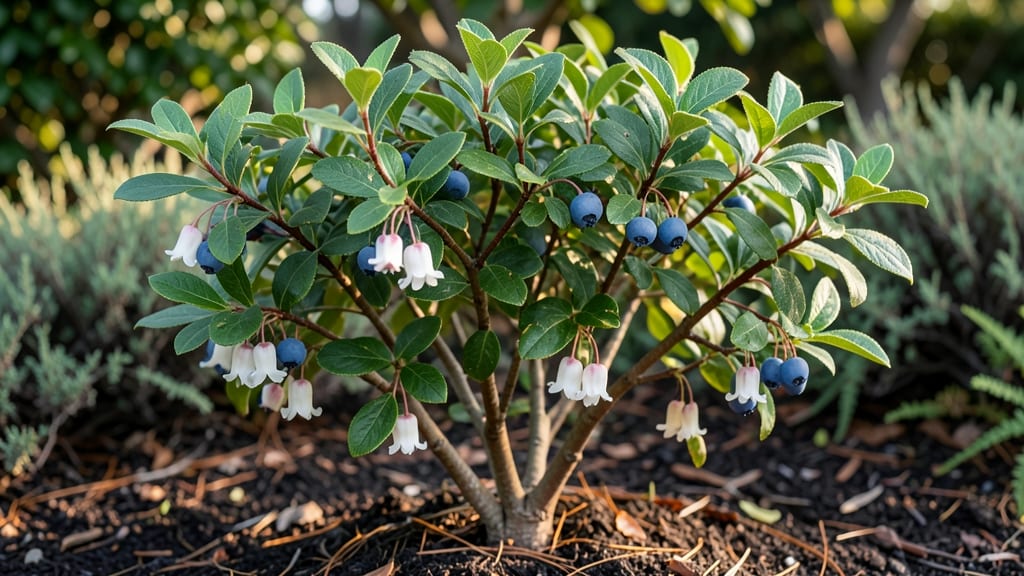
Growing a blueberry bush from seed to your first harvest takes 2 to 5 years, depending on how you start it—whether from a seed, bare-root plant, or container-grown bush.
If you’ve ever dreamed of plucking fresh, juicy blueberries straight from your backyard, patience is key—but how long will you really wait before your first harvest? The answer depends on whether you start with a seed, a bare-root plant, or a container-grown bush, and this timeline breaks it all down.
Most gardeners choose nursery-bought plants for faster results, with first fruits appearing in 2 to 3 years under ideal conditions. Starting from seed, however, can stretch that timeline to 5 years or more, since seeds need time to establish strong roots before flowering.
Below, I’ll walk you through the exact stages—from germination to full maturity—plus the critical factors that can speed up or slow down your blueberry bush’s growth, so you know exactly what to expect.

Blueberry bush growth timeline: seed vs. nursery plant vs. container-grown
Growing blueberries from scratch is rewarding, but your harvest timeline can vary dramatically based on your starting point.
Whether you're sprouting a blueberry seed, planting a bare-root nursery plant, or transplanting a container-grown bush, each method has distinct milestones that determine when you'll taste your first homegrown berries. Let's break down the growth phases and time estimates for each approach.
Blueberry bushes are perennial plants, meaning they live for years, but their fruit-bearing timeline depends heavily on how you start. A seed-grown bush might take 5-7 years to produce meaningful fruit, while a nursery plant could reward you in just 2-3 years.
Container-grown bushes often bridge this gap, offering a faster establishment but still requiring patience for full maturity.
If you're starting with a blueberry seed, the journey is long but rewarding. The first 6 months are critical for seed germination, which requires cold stratification (a process mimicking winter conditions). Once sprouted, these seedlings grow slowly, focusing on root development before producing leaves.
By year 3, you might see first flowers, but don’t expect a harvest—these early blooms often drop off as the plant prioritizes growth over fruiting.
For gardeners opting for a nursery plant, the timeline accelerates significantly. These plants are 1-2 years old when purchased, meaning they’ve already completed their vegetative growth phase. In year 1 after planting, you’ll see rapid canopy expansion and root spread.
By year 2, many bushes produce first flowers, though the harvest may be minimal. The real payoff comes in year 3, when a well-cared-for plant can yield 2-5 pounds of blueberries.
Container-grown blueberries offer a middle-ground solution, combining the convenience of a nursery plant with some of the established root system benefits. These bushes are typically 1-3 years old when sold, so they skip the seedling stage entirely.
However, transplant shock can delay growth by 2-4 weeks, and you may still wait 2-3 years for your first meaningful harvest. The advantage? Containers allow you to control soil conditions more precisely, which can speed up root establishment and flowering.
One critical factor across all methods is soil pH. Blueberries thrive in acidic soil (pH 4.5-5.5). If your soil is too alkaline, your bush will struggle to absorb nutrients, delaying growth and fruiting by 1-2 years.
Always test your soil before planting and amend it with peat moss or sulfur if needed. Another game-changer is sunlight exposure—blueberries need 6+ hours of full sun daily. Inadequate light can stretch out the vegetative phase and reduce flower production.
Pruning plays a surprisingly large role in your blueberry bush’s timeline. Proper pruning in late winter or early spring removes dead wood and encourages new growth, which can shave 6-12 months off your fruiting timeline.
Focus on open-center pruning to improve air circulation and sunlight penetration. Avoid over-pruning, though—this can stress the plant and delay
Key factors that speed up or delay blueberry bush maturity
Your blueberry bush's journey from sapling to fruit-bearing shrub isn't just about time—it's about creating the perfect growing conditions. While most nursery plants take 2-3 years to produce fruit, some gardeners see berries in just 1-2 years by optimizing key factors.
The difference often comes down to five critical elements: climate, soil pH, sunlight, watering, and pruning. Let's break down how each one directly impacts your bush's growth speed.
First, let's address the biggest maturity accelerator: soil acidity. Blueberries thrive in acidic soil (pH 4.5-5.5). If your soil tests higher than 6.0, your bush may struggle to absorb nutrients, delaying fruiting by 1-2 years.
Amending with peat moss or sulfur can restore ideal conditions in as little as 3-6 months, giving your plant the boost it needs to focus energy on fruit production instead of fighting nutrient deficiencies.
Next, sunlight exposure plays a huge role in determining how quickly your blueberry bush matures. These plants need 6+ hours of direct sunlight daily. In partial shade, growth slows significantly—sometimes by 30-50%—because the plant diverts energy to stretching toward light rather than developing flowers and fruit.
If you're growing in a container or urban garden, place your bush in the sunniest spot possible, even if it means moving it seasonally to follow the sun's arc.
How Long Does It Take a Blueberry Bush to Grow?
- 🌱 Seed to First Fruit: 4-6 years (slowest method; requires stratification and patience)
- 🌿 Bare-Root Plant to First Fruit: 2-3 years (most common; fastest with proper care)
- 🪴 Container-Grown Bush to First Fruit: 1-2 years (pre-established roots speed up maturity)
- 💧 With Ideal Conditions: 1 year (possible with dwarf varieties and perfect care)
- ☀️ Full Maturity (Peak Production): 5-7 years (varies by variety and climate)
*Timelines assume optimal care: acidic soil, full sun, consistent watering, and regular pruning.
Watering habits often get overlooked, but they can dramatically speed up or slow down your blueberry bush's maturity. These plants need consistent moisture, especially during flowering and fruiting seasons.
Deep watering 2-3 times per week in dry climates ensures roots grow deeply, while shallow watering leads to weak root systems that delay fruiting. Mulching with pine needles or wood chips helps retain moisture and acidity, creating a mini-ecosystem that encourages faster growth.
Pruning is another game-changer for accelerating maturity. Removing dead or crossing branches in late winter allows more sunlight and air circulation to reach the center of the bush. This practice can increase fruit production by 20-30% in just one season.
For young bushes, focus on shaping rather than heavy pruning—over-pruning can stress the plant and delay fruiting. Use clean, sharp shears and prune just above a bud or branch junction to encourage healthy regrowth.
Finally, your local climate sets the baseline for how quickly your blueberry bush will mature. In warmer climates (Zones 7-9), bushes often fruit earlier because they experience longer growing seasons. In cooler climates (Zones 3-6), growth slows, and bushes may take an extra year to fruit.
If you're in a shorter growing season, choose early-maturing varieties like 'Bluecrop' or 'Jersey' to maximize your harvest potential.
By focusing on these five key factors, you can turn a 3-year wait into a 1-2 year harvest. Start with a soil test, then adjust sunlight, watering, and pruning habits to create the perfect environment for your blueberry bush.
The sooner you optimize these conditions, the sooner you'll be enjoying homegrown blueberries straight from your garden! 🫐