
Shrubs
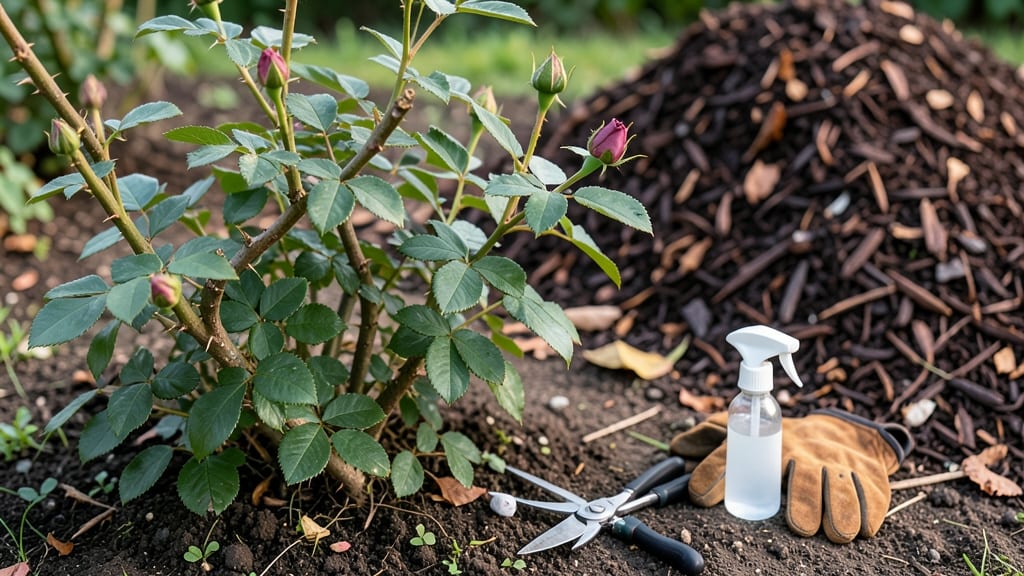
Cutting roses off a bush the right way turns a messy chore into a bloom-boosting ritual—and I’ve made every beginner mistake, from leaving stubs to cutting too late. ✂️ The secret isn’t just where you cut; it’s how you do it to spark new growth while keeping the plant healthy.
One wrong snip can mean fewer flowers next season, but the right technique guarantees thicker stems and bigger blooms.
You’ll need just three things: clean pruners, a bucket for clippings, and a sunny morning to work. Timing matters too—prune in late winter or early spring when the plant is dormant, or right after blooming to encourage another flush.
The goal? Shape the bush into an open vase shape, letting light and air reach the center where diseases lurk.
Start by removing dead or crossing branches first—they’re the easiest cuts and clear space for stronger growth. Then make your angled cuts just above an outward-facing bud, about ¼ inch above it.
This tiny detail makes all the difference: buds below the cut won’t grow, but buds above will send out new stems with flowers. Within weeks, you’ll see fresh green shoots pushing through.
Even experienced gardeners hesitate when shaping roses—will too much cutting stress the plant? Not if you remove no more than ⅓ of the bush at once. And here’s the bonus: properly pruned roses resist black spot, grow stronger stems, and produce blooms for weeks longer than unpruned bushes.
Ready to transform your roses from scraggly to spectacular?
📚 In This Guide
- What you need
- Instructions
- Tips and common mistakes
- Wrapping up and next steps
What you need
- ● Bypass pruners – Sharp, clean, and sterilized (avoid anvil pruners—they crush stems). Quantity: 1 pair (or 2 if trimming large bushes).
- ● Hand pruners (for small stems) – For precision cuts on thin branches. Quantity: 1 pair.
- ● Disinfectant (rubbing alcohol or bleach solution) – 1:10 bleach-to-water ratio to sterilize tools and prevent disease.
- ● Gloves – Thorn-proof or heavy-duty garden gloves to protect your hands.
- ● Sharpie or permanent marker – For marking cuts if needed. Quantity: 1.
- ● Buckets or bags – For collecting pruned stems and debris. Quantity: 1-2.
- ● Loppers – For thicker branches (over ½ inch).
- ● Hose or water spray bottle – To clean tools mid-trimming.
- ● Pruning saw – For stubborn, woody stems.
- ● Rose fertilizer or compost – To nourish the bush post-pruning.
- ● Sunscreen & hat – If working in direct sunlight!
Step-by-step guide for pruning roses like a pro
Here's how I trim roses for healthy growth and stunning blooms—no guesswork, just precision.
✂️ Step 1: Identify the Right Time and Canes to Cut
Prune roses in early spring (just as buds swell) or after blooming for summer varieties. Never cut into old wood—look for green, flexible canes with buds. Avoid cutting into bare, woody stems without buds, as these won’t regrow. I always start by removing dead, diseased, or crossing canes first—they compete for energy and invite pests.
Use your fingers to gently squeeze the cane. If it snaps with a clean break and shows green inside, it’s healthy. If it’s hollow or brown, it’s time to cut. For hybrid teas, aim to remove one-third of the oldest canes each year to encourage new growth. This keeps the bush compact and full of blooms.
✂️ Step 2: Use the Right Tools and Technique
Grab your sharp bypass pruners—dull blades crush stems, slowing healing. I always clean them with rubbing alcohol before and after to prevent spreading disease. Make cuts at a 45-degree angle, about ¼ inch above a healthy outward-facing bud. This angle keeps water from pooling on the cut and encourages new growth to angle away from the center.
Never leave stubs—this invites rot. If you’re cutting a long cane, make the first cut just above the target bud, then remove the remaining stem with a second cut. For thick canes, use loppers for cleaner cuts. I like to step back after each cut to visualize the bush’s shape—this helps avoid over-pruning.
✂️ Step 3: Shape the Bush for Airflow and Blooms
Step back and look at the bush from all sides. Your goal is to create an open center—this improves airflow and reduces humidity, which prevents fungal diseases like black spot. Cut back canes to just above a bud that faces outward. This ensures new growth fills in gaps and keeps the bush balanced.
For climbing roses, prune to encourage long, flexible canes. Cut back one-third of last year’s growth to a strong bud or branch. Avoid heavy pruning—climbers bloom on old wood. I always leave some canes uncut to ensure next year’s flowers. After shaping, remove any suckers (shoots growing from the base) immediately—they drain energy from the main plant.
✂️ Step 4: Clean Up and Protect the Bush
Rake up all clippings and dispose of them in the trash—never compost diseased material. I spray the cuts with fungicide (like neem oil) to prevent infections, especially if the bush was diseased. Water deeply after pruning to help the plant recover. Avoid fertilizing right away—let the cuts heal first.
Mulch around the base with 2-3 inches of organic mulch (like shredded bark) to retain moisture and regulate soil temperature. This also suppresses weeds, which compete for nutrients. I mark the pruned area with a small stake to remind me not to disturb it for a few weeks—new growth will be tender and needs time to establish.
⏰ Step 5: Monitor and Maintain Through the Season
Check the bush every 2-3 weeks for new growth. If you see shoots growing too close together, thin them out to improve airflow. Deadhead spent blooms by cutting just above the next healthy bud—this encourages more flowers. I always prune in the morning when the plant is hydrated and cuts heal faster.
Watch for signs of stress like yellowing leaves or black spots. If you see disease, act fast with copper fungicide or baking soda spray (1 tbsp baking soda + 1 quart water + a drop of dish soap). Prune again lightly in late summer to remove any weak growth before fall dormancy. This keeps the bush strong for next season’s blooms.
Tips & tricks for perfect rose trimming
These simple tricks will help you trim roses like a seasoned gardener—no more guesswork, just confident cuts.
Timing is Everything: Early spring (when buds just swell) or right after blooming are your best windows. I've learned the hard way that cutting too early can damage dormant buds, while waiting too long means missing the prime growth window. For summer varieties, prune immediately after the first flush of blooms to encourage another round of flowers.
Tool Prep Matters: Before you even touch a cane, clean your pruners with rubbing alcohol—this prevents spreading disease between cuts. I also sharpen my blades regularly; dull tools crush stems instead of making clean cuts. For thick canes, use loppers—they give you more leverage without damaging the plant. The cleaner the cut, the faster the rose recovers.
Bud Placement Strategy: Always cut just above an outward-facing bud at a 45-degree angle. This isn't just about looks—it creates a natural water runoff and positions new growth to fill in gaps. I like to visualize how each cut will affect the bush's shape before making it. For hybrid teas, this technique keeps the center open for maximum airflow.
Post-Prune Care: After trimming, water deeply but avoid fertilizing immediately—new cuts need time to heal. I always mulch with 2-3 inches of organic material to retain moisture and mark the area with a stake. This simple step prevents disturbing tender new growth while it establishes. The first few weeks after pruning are critical for setting up next season's success.
Pro Tips for Cut A Rose Off A Rose Bush
- These simple tricks will help you trim roses like a seasoned gardener—no more guesswork, just confident cuts.
- Timing is Everything: Early spring (when buds just swell) or right after blooming are your best windows.
- Tool Prep Matters: Before you even touch a cane, clean your pruners with rubbing alcohol—this prevents spreading disease between cuts.
Frequently asked questions
Got questions about pruning roses like a pro? You’re not alone! Here are the most common queries—and straightforward answers—to help you trim with confidence.
When is the best time to cut roses off a rose bush?
The ideal time depends on your goal. For spring bloomers, prune in early spring (before buds swell) to encourage new growth. Repeat-blooming roses (like hybrid teas) thrive with a light trim after each flush of flowers or a heavy prune in late winter. Avoid pruning in fall—it can stimulate tender growth that won’t survive frost.
How do I know if I’m cutting a rose stem at the right angle?
Cutting at a 45-degree angle, about ¼ inch above an outward-facing bud, is key. This angle helps water run off the cut and prevents rot. If unsure, look for leaf nodes (where leaves grow)—these are your guides. Pro tip: Use your pruners like a guillotine, slicing just above the bud to avoid damaging it. Never cut below a bud or you’ll stunt growth.
What if I accidentally cut too much off my rose bush?
Don’t panic! Roses are resilient. If you’ve over-pruned, focus on healthy stems (thick, green, and flexible) and leave the rest. Avoid cutting into old wood (woody, brown stems)—these won’t regrow. Water deeply and fertilize lightly to support recovery. In 2–3 weeks, new shoots should emerge.
Can I cut roses for bouquets without hurting the bush?
To keep your bush blooming, cut stems at the base (just above a leaf node) and never take more than ⅓ of the plant’s foliage at once. Choose fully open blooms—they’ll last longer in arrangements. For repeat bloomers, deadhead spent flowers (trim just above a set of 5 leaves) to encourage more blooms.
Should I prune roses in winter, even if it’s not freezing?
Winter pruning is a no-go unless you’re in a mild climate (Zone 8+). Cold weather stresses plants, and fresh cuts can invite disease. Instead, prune in late winter/early spring (when forsythia blooms) or right after flowering for summer-blooming varieties. If you must prune in winter, do it on a dry, above-freezing day and sterilize tools first.
What should I do if my rose bush has dead or diseased stems?
Remove dead/diseased stems immediately to prevent spread. Cut 6–12 inches below the affected area (into healthy wood) and sterilize your pruners with rubbing alcohol between cuts. For fungal issues (like black spot), apply a copper fungicide after pruning. Avoid pruning during wet weather to reduce spores.
Wrapping up and next steps
Cutting roses from your bush doesn’t have to be intimidating—with the right tools, timing, and technique, you’ll be pruning like a pro in no time! 🌹 Remember, clean cuts, sharp tools, and patience are your best friends for encouraging healthier growth and stunning blooms.
Whether you’re pruning for shape, health, or fresh-cut flowers, your efforts will pay off with a thriving rose bush.
Now that you’re armed with the know-how, grab those shears and get trimming! 🌿 For extra inspiration, check out our guide on seasonal rose care tips to keep your bush blooming beautifully year-round.