
How To
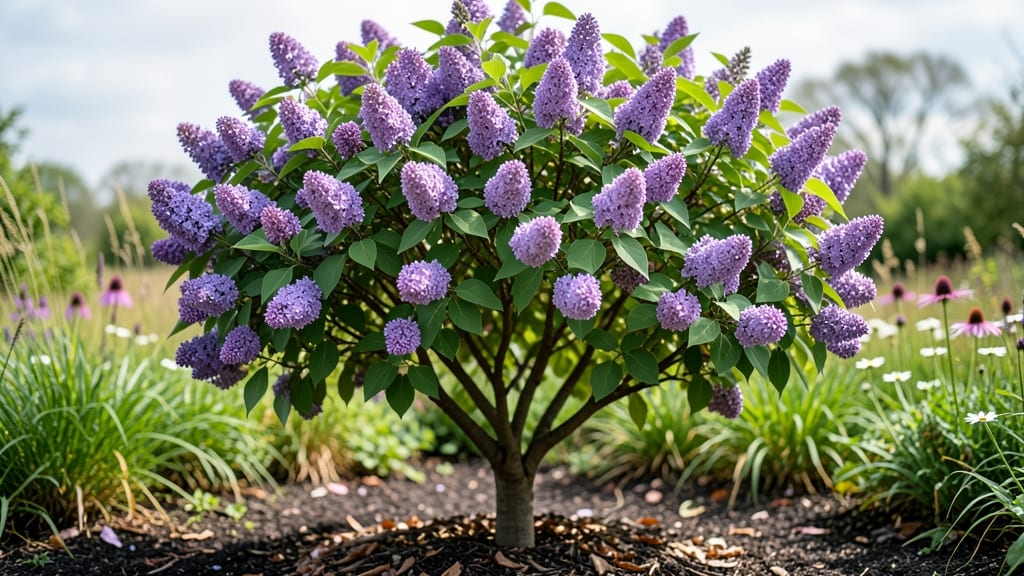
How tall do lilac bushes grow? The answer depends on the variety, with dwarf types reaching as little as 3 feet and standard types soaring over 12 feet, depending on care and growing conditions.
If you're dreaming of fragrant purple blooms but wondering whether lilacs will tower over your garden—or blend seamlessly into it—you're not alone. The height of lilac bushes varies dramatically by variety, and understanding these differences is key to planning your landscape with confidence.
Standard lilacs, like the classic Syringa vulgaris, can reach 8 to 12 feet tall, making them perfect for privacy screens or bold garden focal points. Meanwhile, dwarf varieties stay compact at 3 to 5 feet, ideal for small yards, patios, or container gardening.
In this guide, you’ll discover how to choose the right lilac for your space, learn pruning tricks to control height, and get spacing tips to ensure your 🌸 bushes thrive without overcrowding. Let’s break down the best options for your garden’s needs!

Lilac bush height by variety: a complete size guide
Choosing the right lilac bush for your garden starts with understanding their height potential. While some varieties can reach towering heights of 12+ feet, others stay compact at just 3 feet tall. This variety matters for everything from garden layout to privacy screening or patio borders.
Below, we break down the three main categories—dwarf, standard, and giant lilacs—so you can pick the perfect fit for your space.
The height of lilac bushes depends entirely on the variety you select. Some, like the Katherine Havemeyer, grow into majestic shrubs, while others, like Little League, stay petite and perfect for containers.
Knowing these differences helps you avoid overcrowding or underutilized space in your landscape design. Let’s explore the height ranges and ideal spacing for each type to help you plan with confidence.
Dwarf lilacs are the perfect choice for small gardens or container gardening. Varieties like Little League or Minnesota Snowflake stay under 5 feet tall, making them ideal for patio borders or window boxes. Their compact size also means they require less pruning and maintenance, saving you time and effort while still delivering those fragrant blooms you love.
If you’re working with a medium-sized yard, semi-dwarf lilacs strike the perfect balance. These varieties, such as President Lincoln or Dwarf Korean Lilac, typically reach 5–7 feet tall.
They’re great for foundation plantings or hedges because they provide height without overwhelming your landscape. Space them 5–6 feet apart to allow for air circulation and future growth.
Standard lilacs are the classic choice for large gardens or privacy screens. Varieties like Katherine Havemeyer or Miss Kim can grow 8–12 feet tall, creating a stunning backdrop for your outdoor space. When planting these, give them plenty of room—8–10 feet apart—to prevent overcrowding and ensure each bush has enough nutrients and sunlight to thrive.
For those with spacious properties, giant lilacs like Bloomerang or Arctic Snow can reach 12–15 feet tall or even taller. These are perfect for privacy barriers, wooded areas, or as focal points in large landscapes.
Plant them 12–15 feet apart to avoid root competition and allow their majestic canopies to shine.
Proper spacing between lilacs is crucial for healthy growth and preventing disease. Overcrowding can lead to poor airflow, which increases the risk of fungal infections like powdery mildew.
Always follow the spacing guidelines above and avoid planting lilacs too close to trees or structures, as they’ll compete for water and nutrients.
One final tip: Soil quality and sunlight exposure also influence how tall your lilac grows. Plant in
How to control lilac bush height: pruning and care tips
Lilacs are stunning shrubs, but their height can quickly become overwhelming if left unchecked. Standard varieties like Common Lilac can reach 8–15 feet tall, while dwarf types stay under 4 feet.
The good news? With the right pruning techniques and care, you can easily shape your lilacs to fit your garden's needs—whether you want a towering focal point or a compact border plant.
Pruning is the most effective way to control height, but timing and technique matter. Cutting at the wrong time can reduce next year's blooms, so knowing when and how to prune is essential.
Combine pruning with proper soil care, watering, and seasonal maintenance to keep your lilacs healthy and at your desired height.
Key factors that influence lilac height include variety selection, pruning frequency, soil fertility, and sunlight exposure. For example, dwarf lilacs like 'Little Leaf' naturally stay under 3–4 feet, while standard varieties need regular pruning to prevent them from becoming unmanageable giants.
Step-by-Step Guide to Pruning Lilacs for Height Control
- 1
- 2
- 3
- 4
- 5
- 6
For small gardens, opt for dwarf varieties like 'Katherine Havemeyer' or 'Miss Canada,' which max out at 4–5 feet. If you already have a standard lilac, prune aggressively in early summer to keep it under 6 feet.
Remember, lilacs bloom on old wood, so avoid heavy pruning in late summer or fall.
With consistent care, your lilacs will reward you with fragrant blooms every spring while staying at the perfect height for your space. Whether you're aiming for a privacy screen or a patio centerpiece, these tips will help you achieve the look you love—without sacrificing health or beauty. 🌸✂️