
Container Gardens
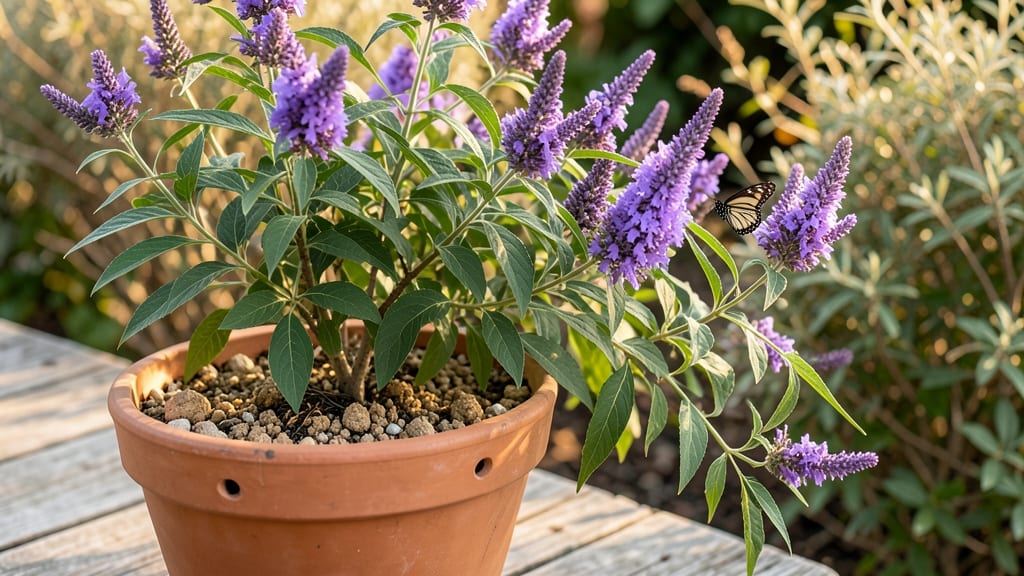
Butterfly bushes can grow in pots when given adequate container space and proper drainage, thriving in at least 15-gallon pots for mature plants, though 20+ gallon containers provide better root space for their expansive growth habits. Well-draining soil and annual pruning are essential for maintaining healthy potted plants.
These hardy shrubs actually adapt surprisingly well to container life when you account for their aggressive root systems. 🌿 The key is replicating their natural soil conditions—think loose, aerated mixes with plenty of organic matter to prevent compaction.
I've found that fabric grow bags work particularly well because they allow roots to breathe while still containing their sprawling nature. Just remember: even with pruning, you'll need to refresh the soil every few years to keep nutrients flowing.
One common mistake is underestimating how quickly these plants fill their containers. Root-bound stress shows up as yellowing leaves or stunted growth, so always choose pots with at least 12-18 inches of depth for mature specimens.
The drainage aspect can't be overstated—soggy roots lead to fungal issues, so double-check those holes in the bottom!
💡 In This Article
- Butterfly Bush Root System and Pot Size Requirements
- Best Pots and Soil Mix for Potted Butterfly Bushes
Butterfly bush root system and pot size requirements
Butterfly bushes (Buddleia spp.) develop a fibrous, shallow root system that spreads aggressively—up to 3-4 feet wide in ideal conditions. This expansive network explains why they need containers with 12-18 inches of depth and 18+ inches of diameter for mature plants.
Roots require ample oxygen and space to absorb nutrients efficiently, which is why standard 15-gallon pots (about 12" diameter) work for young plants but become restrictive as they mature. 🌱 In-ground plants spread freely, but containers force roots to compete for space, making proper sizing critical for preventing root-bound stress.
The root system's shallow nature also means butterfly bushes are sensitive to soil compaction. In pots, this leads to poor drainage and reduced oxygen flow to roots, causing yellowing leaves or stunted growth.
Fabric grow bags (like 5-gallon fabric pots) are ideal because their flexible sides allow roots to spread outward while maintaining aeration. For ceramic or plastic containers, ensure 4-6 drainage holes to prevent waterlogging, which can rot roots within 2-3 weeks of poor drainage conditions.
Urban gardeners often underestimate how quickly these plants fill containers. A 3-year-old butterfly bush can easily outgrow a 15-gallon pot, requiring 20+ gallons for optimal health. The extra space accommodates root expansion and reduces the need for frequent repotting.
Pruning isn't just for size control—it also stimulates new root growth, which helps maintain a healthy balance in containers. I've seen potted specimens thrive with annual pruning in late winter, cutting back 1/3 of the oldest stems to encourage fresh, vigorous growth.
Another key factor is the root-to-pot volume ratio. Butterfly bushes need about 1 cubic foot of soil per year of growth. A 5-gallon pot (roughly 1 cubic foot) might work for a 1-year-old plant, but a 3-year-old would need 3 cubic feet (20+ gallons)**.
This ratio ensures roots have enough space to access water and nutrients without becoming crowded. Overcrowded roots can't absorb moisture efficiently, leading to wilting even when the soil appears wet.
For space-saving techniques in urban settings, consider dwarf varieties like 'Lo and Behold' Buddleia, which stay under 3 feet tall and can thrive in 10-15 gallon pots. These varieties still require deep containers but offer a more manageable size for balconies or patios.
Always choose pots with 10-15% more volume than the plant's current root ball to allow room for growth without immediate repotting needs.
Seasonal adjustments also play a role. In summer months, roots grow more aggressively, so monitor soil moisture closely—potted plants dry out faster than in-ground ones. Mulching with 1-2 inches of organic mulch helps retain moisture and regulate soil temperature, reducing stress on the root system.
The right container and soil mix aren't just about size; they're about creating an environment that mimics the plant's natural growth conditions as closely as possible.