
Shrubs
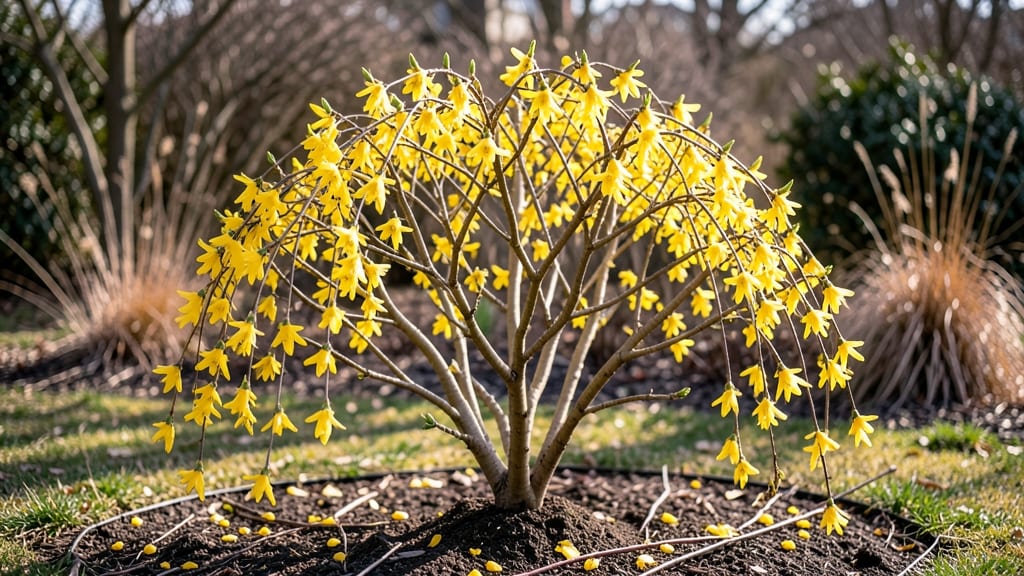
How tall do forsythia bushes get? They range from compact 3 feet to towering 12 feet, depending on the variety you choose—so picking the right one for your space is the key to happy gardening.
Picture this: a vibrant yellow 🌸 explosion of spring color that either frames your front door or sprawls over your patio fence. The difference? One variety stays compact, while another could outgrow your yard in just a few years.
I’ve seen both sides, and the height decision can make or break your garden layout.
If you’re working with limited space, dwarf varieties like ‘Little Gold’ max out at 3 feet, perfect for containers or small hedges. But if you’re going for a bold statement, ‘Northern Gold’ can reach 12 feet—ideal for tall borders or privacy screens.
Knowing the mature size helps you plan where to plant and how to prune for the look you want.
Below, I break down the height ranges by popular cultivar, share pruning tips to control growth, and highlight the best small-space options so you can choose the perfect forsythia for your garden—no surprises included.

Forsythia bush height by variety: from dwarf to giant sizes
Choosing the right forsythia variety depends heavily on your garden space and design goals. Some forsythia bushes stay under 4 feet tall, making them perfect for small yards or containers, while others grow over 10 feet tall, creating dramatic focal points.
The key is matching the mature height to your landscape vision—whether you want a low hedge or a towering springtime statement.
Forsythias are known for their vigorous growth and arching branches, but their height varies dramatically between cultivars. The growth habit—whether upright, spreading, or weeping—also affects how they fill space.
For example, 'Northern Gold' stretches skyward, while 'Little Gold' stays neatly compact. Understanding these differences helps you plan pruning, spacing, and companion plants from day one.
Here’s a quick guide to help you visualize how each variety will fit into your garden layout. Whether you’re working with a small balcony or a large backyard, the right forsythia size ensures your spring blooms shine without overwhelming your space.
| Variety | Mature Height | Growth Habit | Best For |
|---|---|---|---|
| 'Sunburst' | 3–4 ft | Compact, upright | Containers, small gardens |
| 'Little Gold' | 2–3 ft | Dwarf, rounded | Foundation plantings, borders |
| 'Show Off' | 3–4 ft | Semi-dwarf, arching | Small hedges, mixed borders |
| 'Spring Glory' | 4–5 ft | Medium, upright | Medium gardens, privacy screens |
| 'Lynwood Gold' | 6–8 ft | Tall, arching | Backyard focal points, large borders |
| 'Northern Gold' | 8–12 ft | Giant, upright | Tall hedges, woodland edges |
| 'Knit HIll' | 5–6 ft | Semi-dwarf, rounded | Small to medium gardens |
| 'Spectacular' | 4–5 ft | Medium, arching | Mixed borders, containers |
| 'Gold Tassel' | 6–8 ft | Tall, weeping | Large gardens, woodland gardens |
| 'Courtney's Gold' | 5–7 ft | Medium, upright | Medium to large gardens |
When selecting a forsythia variety, consider not just the height range but also the spread. For example, 'Northern Gold', which can reach 12 feet tall, needs plenty of space to avoid crowding other plants.
In contrast, 'Little Gold', at just 2–3 feet tall, is ideal for container gardening or as a foundation plant along walkways.
Another factor to watch is the growth rate. Most forsythias grow 2–3 feet per year when young, so a 6-foot variety could reach maturity in just 2–3 years. This rapid growth means you’ll see those bright yellow blooms sooner than you think—perfect for adding instant color to your landscape.
Plan your garden layout with this in mind to avoid overcrowding.
If you’re unsure which forsythia size suits your space, start with a dwarf variety like 'Sunburst' or 'Show Off'. These stay under 4 feet tall and are forgiving if you’re new to pruning.
For larger gardens, 'Lynwood Gold' or 'Northern Gold' create stunning vertical interest and can even serve as a privacy screen when
How to control forsythia height: pruning tips for different growth types
Forsythia bushes are famous for their cheerful spring blooms, but their height growth can quickly become unmanageable if left unchecked. The key to maintaining your desired forsythia height lies in timely pruning—especially since some varieties grow up to 12 feet tall!
Whether you have an upright or spreading variety, understanding when and how to prune will keep your shrub both bloom-heavy and size-controlled.
Most gardeners make the mistake of pruning at the wrong time, which can stunt blooms or encourage overgrowth. The best approach is to prune in late winter or early spring, just before new growth begins.
This ensures you don’t accidentally remove next year’s flower buds, which form on old wood. For spreading varieties, you’ll also need to thin out interior branches to improve air circulation and sunlight penetration.
Step-by-Step Forsythia Pruning Guide
- Step 1: Wait until late winter/early spring (just before buds swell) to prune. Avoid pruning after blooms fade, as this removes next year’s flower buds.
- Step 2: Remove dead or diseased branches first, cutting them back to healthy wood. Use clean, sharp pruners to prevent damage.
- Step 3: For upright varieties, cut back 1/3 of the oldest stems to the ground to encourage new growth and maintain shape.
- Step 4: For spreading varieties, thin out interior branches by 1/3 to improve airflow and sunlight exposure.
- Step 5: Shape the shrub by trimming overgrown branches to your desired height, but never cut more than 1/3 of the plant at once.
- Step 6: After flowering, do a light cleanup to remove spent blooms and any crossing branches, but avoid heavy pruning.
If your forsythia has become too tall, you can gradually reduce its height over 2–3 years by pruning back 1/3 of the oldest stems each year. This method prevents shock to the plant while still encouraging new growth and vibrant blooms.
For compact varieties, a little maintenance pruning in summer (after flowering) can keep them tidy without sacrificing next year’s flowers.
Seasonal maintenance is just as important as spring pruning. In summer, remove any suckers or water sprouts that appear at the base of the plant. In fall, rake up fallen leaves to prevent disease buildup over winter.
These small steps ensure your forsythia stays healthy, blooming, and within your garden’s design.
Remember, forsythia is a hardy shrub that responds well to pruning, but patience is key. If you’ve let it grow too tall, don’t panic—focus on gradual reduction and proper timing. With the right approach, you’ll enjoy years of cheerful yellow blooms without the overwhelm. 🌸