
Blooming
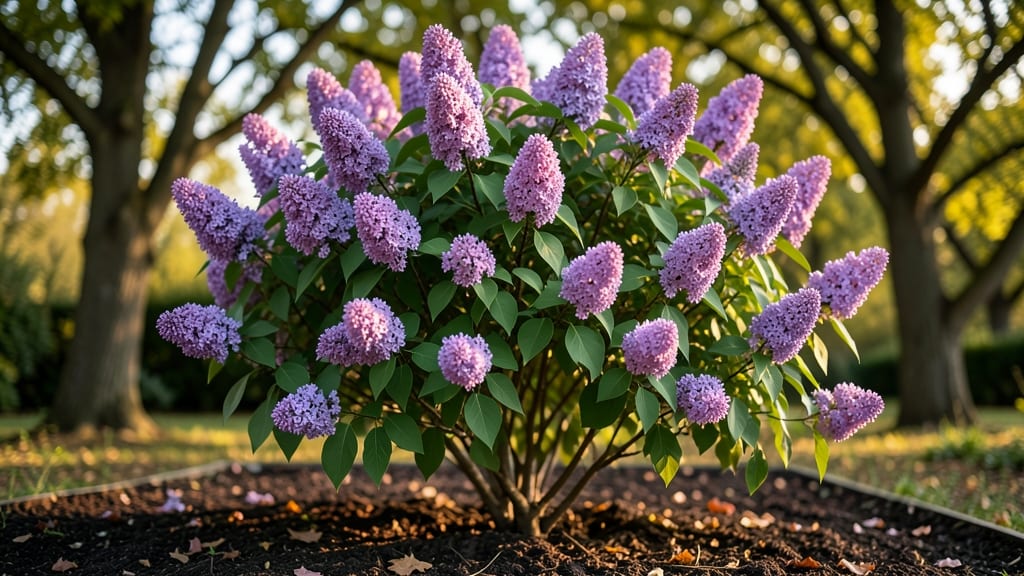
Lilac bushes bloom once a year 🌸, typically in late spring, but the timing and abundance depend on variety, care, and climate.
If you’ve ever wondered why your lilac bush seems to vanish after one spectacular spring show, you’re not alone—most gardeners struggle to understand their blooming cycles. The truth is, lilacs follow a precise seasonal rhythm, and a few simple pruning tricks can transform their performance from hit-or-miss to reliably stunning.
Understanding their natural cycle is key: most lilacs burst into fragrant blooms in May or June, but cooler climates like USDA Zone 6a may delay them until early summer. The right pruning—like cutting back after flowering—encourages stronger growth and more abundant blooms the following year.
In this guide, you’ll learn how to maximize your lilac’s blooming potential, from pruning tips to soil and sunlight secrets, so you can enjoy that sweet, intoxicating fragrance year after year.
Lilac blooming frequency: understanding their natural seasonal cycle
Lilacs are famous for their fragrant spring blooms, but many gardeners assume they flower just once. The truth? Most lilacs bloom annually, typically in late spring, with a 4-6 week flowering window depending on variety and climate.
Understanding their natural cycle helps you anticipate their stunning displays and avoid frustration when they seem to disappear after one show.
These shrubs are deciduous perennials, meaning they follow a strict seasonal rhythm. After their spring bloom, lilacs enter a dormancy period during summer and fall, storing energy in their roots.
This cycle repeats yearly, with blooming triggered by chilling hours (cold winter temperatures) and day length changes in early spring.
The flower lifespan of lilacs is short—typically 7-10 days per bloom—but their branches can produce hundreds of flowers simultaneously. This is why they create such a dramatic spring spectacle!
However, not all lilacs bloom at the same time; some varieties like 'Katherine Havemeyer' bloom early, while 'Dwarf Korean' varieties may flower slightly later.
| Factor | Details | Regional Variations |
|---|---|---|
| Blooming Frequency | Once per year (spring) | Zones 3-8: March-May Zones 9-10: February-April |
| Flower Lifespan | 7-10 days per bloom | Warmer climates: Shorter lifespan Cooler climates: Longer display |
| Dormancy Period | Summer-Fall (June-November) | Southern regions: Shorter dormancy Northern regions: Longer rest |
| Bloom Trigger | Chilling hours + day length | Mild winters delay blooms Cold winters advance timing |
| Flower Quantity | Varies by age/health | Young plants: Fewer flowers Mature plants: 1000+ blooms |
Climate plays a huge role in lilac blooming windows. In northern climates (Zones 3-5), lilacs typically bloom in late April to early May, while in southern regions (Zones 7-9), they may start as early as February or March.
The key factor is chilling hours: lilacs need 600-1,000 hours below 45°F during winter to trigger blooming. Without enough cold, they may skip flowering entirely.
Some gardeners wonder if lilacs can bloom twice a year. While rare, certain tropical or hybrid varieties (like 'Bloomerang Lilacs') may produce secondary blooms in fall.
However, traditional lilacs are spring-only bloomers. The reason? Their energy is focused on root and branch development after spring, leaving little for additional flowers.
Age and health also affect blooming frequency. Young lilacs (1-3 years old) may produce fewer flowers as they establish roots, while mature bushes (5+ years) can cover themselves in blooms.
Over-fertilizing with high-nitrogen products can actually reduce flowering by encouraging leafy growth instead. For best results, use a balanced 10-10-10 fertilizer in early spring.
Pruning timing is critical for future blooms. If you prune after blooming, you risk removing next year's flower buds, which form on old wood. Always wait until late spring or early summer (after flowers fade) to prune.
This ensures you're cutting back last year's growth while preserving this year's buds.
Light exposure directly impacts blooming quality. Lilacs need full sun (6+ hours daily) to produce their best displays. In shady conditions, they may bloom sparingly or not at all.
If your lilac is in partial shade, consider transplanting it to a sunnier location. Even a few extra hours of sunlight can dramatically improve next year's blooms.
Soil quality matters too. Lilacs thrive in well-draining, slightly alkaline soil (pH 6.5-7.5). Heavy clay or waterlogged soil can stress the plant, leading to fewer flowers.
If your soil is too dense, amend it with compost or sand to improve drainage. A mulch layer (2-3 inches) also helps retain moisture and regulate soil temperature.
With proper care, your lilac can become a reliable spring star for decades. The secret is understanding their natural cycle—one spectacular bloom per year—and giving them the right conditions to shine. Next spring, you'll be the first on your block to enjoy that intoxicating fragrance! 🌸
How pruning affects lilac blooming: best practices for year-round health
Pruning is the secret weapon for coaxing your lilac bushes into producing more abundant blooms. Most gardeners make one critical mistake: pruning at the wrong time or too aggressively, which can actually reduce flowering instead of enhancing it.
Lilacs bloom on old wood, meaning last year’s growth holds next year’s flower buds. Understanding this blooming cycle is key to encouraging healthier, more frequent blooms.
When done correctly, pruning can rejuvenate older bushes, improve air circulation, and create a fuller, bushier shape. But timing matters—prune too early or too late, and you risk removing next year’s flower buds before they’ve formed.
The goal is to balance growth and preserve blooms while keeping your lilac looking its best year-round.
⚠️ Warning: Common Pruning Mistakes That Kill Blooms
Lilacs typically bloom once per year in late spring, but over-pruning can delay or even prevent blooming for 2+ years. Here’s what to avoid:
- ✂️ Pruning after mid-summer removes next year’s buds before they form.
- 🌱 Cutting back more than 1/3 of the bush stresses the plant and reduces flowering.
- 🌿 Removing old wood entirely eliminates future blooms since lilacs flower on 2-year-old wood.
Start by pruning your lilac right after blooming, typically in June or early July. This timing allows the plant to set new buds for next year’s flowers while giving you control over the bush’s shape.
Use clean, sharp pruners to make cuts just above a bud or leaf node, angled slightly away from the bud to prevent water pooling.
For older lilac bushes that seem sparse, rejuvenation pruning is your best friend. In late winter or early spring (before buds swell), remove 1/3 of the oldest stems at the base.
This encourages new growth and denser blooming in subsequent years. Pair this with a balanced fertilizer (10-10-10) in early spring to support recovery.
Don’t forget to sanitize your tools with rubbing alcohol between cuts to prevent disease spread. Lilacs are prone to powdery mildew and borer infestations, so keeping cuts clean and removing diseased branches immediately is crucial.
After pruning, apply a 2-inch layer of mulch around the base to retain moisture and regulate soil temperature.
With the right pruning strategy, your lilac can bloom more vigorously for years to come. The key is patience and consistency—avoid drastic cuts, and your bush will reward you with fragrant, abundant blooms season after season. Happy pruning! ✂️🌸