
Pruning
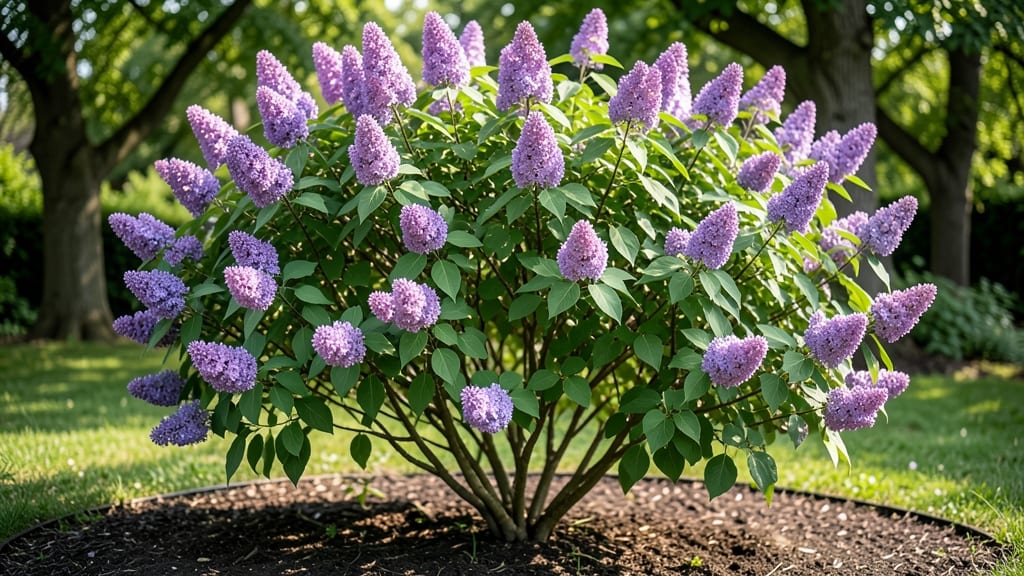
Your fragrant lilac bush can bloom twice yearly with just three seasonal cuts—no fancy tools or horticultural degree required. ✨ I’ve pruned mine for over a decade, and the secret isn’t complicated: timing, technique, and a little patience.
What starts as a handful of leggy branches becomes a fragrant cloud of purple perfection by summer, and with the right approach, you’ll get a second flush of blooms in fall too.
The key is working with nature, not against it. Lilacs bloom on last year’s growth, so you never cut back more than one-third of the plant at once.
Spring is the busiest season—clean up winter damage, shape the bush, and remove old wood—but summer and fall cuts keep it compact and encourage those extra blooms. Most people over-prune in spring and end up with no flowers, but this method guarantees vibrant blooms year after year.
By late summer, you’ll notice new growth forming at the base of your lilac—this is your signal to make the second cut of the year. A light trim here keeps the bush tidy and sets the stage for fall blooms.
The fragrance alone makes it worth the effort: nothing beats walking past a lilac in full bloom, especially when you’re the one who nurtured it.
This approach works for common lilac varieties like ‘Katherine Havemeyer’ or ‘Mme. Lemoine,’ and even container-grown lilacs respond well. The only real mistake is waiting too long—so grab those shears in early spring and get started. Your garden will thank you with months of intoxicating scent and stunning color.
📚 In This Guide
- What you need
- Instructions
- Tips and common mistakes
- Wrapping up and next steps
What you need
- ● Pruning shears: Sharp, bypass-style shears (for clean cuts) – 1 pair (or 2 pairs if you have a large bush).
- ● Loppers: For thicker branches (1–2 inches in diameter) – 1 pair.
- ● Gloves: Heavy-duty, cut-resistant gloves (to protect from thorns and sap) – 1 pair.
- ● Disinfectant: 70% isopropyl alcohol or rubbing alcohol (to sterilize tools between cuts).
- ○ Pruning saw: Optional for stubborn, thick stems (if your bush has woody branches).
- ○ Garden twine or ties: Optional (for supporting young branches post-prune).
- ○ Rake: Optional (to clear fallen leaves/debris after pruning).
- ● Weather check: Prune on a dry, overcast day (avoid wet or windy conditions).
- ● Safety gear: Sunglasses (if working in bright sunlight) and long sleeves (to avoid scratches).
- ○ Compost bin: Optional (to collect pruned branches for mulch or compost).
- ● Lilac fertilizer: Balanced, slow-release fertilizer (10-10-10 or similar) – apply after pruning.
- ● Watering can/hose: For post-pruning hydration (especially in dry seasons).
Step-by-step guide to pruning your fragrant lilac bush
Here's the simple, seasonal approach I use to keep my lilacs blooming beautifully year after year.
✂️ Step 1: Early Spring Cleanup (Before Bud Break)
Start pruning in late winter or early spring, just as buds begin to swell but before any leaves appear. This is your first chance to shape the bush and remove any dead or diseased wood. I always grab my pruning shears and gloves first thing on a dry morning—wet wood splinters and invites disease.
Look for branches that are completely brown and brittle or have no signs of life. Cut these back to the main stem or to a healthy bud. You'll also want to remove any crossing branches that rub against each other, as these will eventually create wounds that can rot. Make your cuts at a 45-degree angle, about ¼ inch above a healthy bud facing outward. This encourages new growth in the right direction.
✂️ Step 2: Summer Pruning (After Blooming)
Once your lilac has finished blooming—usually in late spring or early summer—it's time for the second pruning. This is when you'll shape the bush and encourage next year's flowers. I wait until after all blooms have faded and the foliage has fully developed. This ensures you don't accidentally cut off next year's flower buds, which form on last year's growth.
Focus on thinning out the center of the bush to improve airflow and light penetration. Remove about one-third of the oldest stems at the base, cutting them back to the ground. This rejuvenates the plant and keeps it from becoming too woody. For the remaining branches, trim back the current season's growth by about one-third to encourage bushier growth. Always cut just above a leaf bud or side branch to promote healthy regrowth.
✂️ Step 3: Late Summer to Early Fall Maintenance
In late summer or early fall, give your lilac a light trim to remove any dead, diseased, or weak growth. This is also the time to shape the bush for winter. I avoid heavy pruning now because it can stimulate new growth that won't have time to harden off before winter. Instead, I focus on tidying up the edges and removing any suckers or water sprouts that have appeared.
Look for branches that are growing inward or crossing over others. These can create a tangled mess and reduce airflow. Cut these back to a healthy bud or branch. You can also lightly trim any branches that are growing too long or leggy. This keeps the bush compact and encourages a fuller shape. Avoid pruning too close to winter, as new growth won't have time to mature and may be damaged by cold.
⏰ Step 4: Winter Inspection and Preparation
While you won't be pruning heavily in winter, it's a good time to inspect your lilac bush and plan for the coming year. I take a walk around the bush in late winter, just before bud break, to check for any dead or damaged branches that might have been missed earlier. If you find any, remove them immediately to keep the plant healthy.
This is also the time to plan your pruning strategy for the next season. Consider the shape you want your lilac to take and mark any branches that need to be removed or trimmed. If your lilac is particularly large or overgrown, you might need to spread the pruning out over a few seasons to avoid shocking the plant. Always make sure your tools are clean and sharp before you start pruning to prevent the spread of disease.
Tips & tricks for perfect fragrant lilac pruning
These simple tricks will help you keep your lilac bush thriving and blooming beautifully with minimal effort.
Timing is Everything: The early spring cleanup in late winter or early spring is critical because it targets dormant, dead branches before new growth begins. I always check the buds—if they're still tight and haven't begun to swell, it's safe to prune. This timing prevents accidental removal of next year's flower buds, which form on last year's growth. Watch for that subtle swelling, and you'll know you're ready.
Tool Prep Matters: Before you start cutting, take 5 minutes to sharpen your pruning shears and disinfect them with rubbing alcohol. Dull blades crush stems instead of cleanly cutting them, which can damage the plant. I also like to wear gloves—lilac branches can be thorny, and the sap isn't exactly pleasant to handle. A small investment in quality tools makes all the difference in how your bush responds.
Shape with Purpose: When you're thinning the center in Step 2, imagine sunlight filtering through the branches. The goal is to create an open, airy structure that lets light reach the inner stems. I like to step back every few cuts to visualize the shape—this helps me avoid over-pruning one area while leaving another too dense. Think of it like sculpting: you're shaping the bush's natural form, not hacking it into submission.
Seasonal Mindset: Remember that late summer to early fall is for maintenance, not major restructuring. This is when I do my light tidying—removing those pesky suckers and water sprouts that pop up unexpectedly. The key here is patience: avoid heavy pruning now, as new growth won't have time to harden off before winter. A little attention now prevents big problems later when winter winds come calling.
Pro Tips for Fragrant Lilac Bush
- These simple tricks will help you keep your lilac bush thriving and blooming beautifully with minimal effort.
- Timing is Everything: The early spring cleanup in late winter or early spring is critical because it targets dormant, dead branches before new growth begins.
- Tool Prep Matters: Before you start cutting, take 5 minutes to sharpen your pruning shears and disinfect them with rubbing alcohol.
Frequently asked questions
Got questions about keeping your fragrant lilac bush in top shape? Here are some of the most common ones—plus expert answers to help you prune like a pro!
When is the best time to prune lilacs for maximum blooms?
The ideal timing is right after flowering (late spring) to remove dead wood and shape the bush. A second light trim in early summer encourages denser growth, while a harder prune in late fall or winter (if needed) helps rejuvenate older bushes. Never prune in late summer—it cuts off next year’s buds!
Can I prune my lilac bush too much? What are the signs?
Over-pruning shows up as fewer or no flowers, sparse foliage, or leggy stems. Stick to removing no more than 1/3 of the bush per year, and avoid cutting into old wood (brown stems). If you’ve gone overboard, don’t panic—just stop pruning for a year and focus on watering and fertilizing to recover.
Why aren’t my lilacs blooming after pruning?
Lilacs bloom on old wood, so aggressive summer or fall pruning can stunt flowers. Double-check your timing (post-bloom is key!) and ensure you’re not cutting back more than 1/3 of the plant. If buds form but don’t open, it could be poor sunlight, drought, or nutrient deficiency—try moving to a sunnier spot or adding balanced fertilizer in early spring.
What if my lilac bush looks dead after pruning?
Don’t worry—lilacs are tough! If the stems look bare but the base is still green, it’s likely dormant (common in winter). Wait until spring to assess. If the entire bush is brown and brittle, it may be dead—dig near the roots to check for green pith. If alive, prune back further next year; if not, replace it!
Are there fragrant alternatives to lilacs for low-maintenance gardens?
If lilacs seem high-maintenance, try these fragrant, low-fuss options:
- Mock Orange (Philadelphus) – Blooms in summer, thrives in partial shade.
- Daphne – Early spring flowers, loves shade and minimal pruning.
- Abelia – Fragrant blooms + evergreen foliage; prune lightly after flowering.
- Weigela – Hardy, fast-growing, and blooms repeatedly with minimal care.
Wrapping up and next steps
A fragrant lilac bush isn’t just a garden centerpiece—it’s a year-round promise of blooms, as long as you prune it with care.
By mastering the three seasonal cuts (late winter, post-bloom, and light summer shaping), you’ll encourage lush growth, vibrant flowers, and that intoxicating scent for seasons to come. 🌸
Ready to transform your lilac into a thriving, fragrant star? Grab your pruners and start planning your next cut! Whether it’s late winter prep or a summer trim, every snip brings you closer to a garden that’s bursting with life—and memories.