
Light Requirements
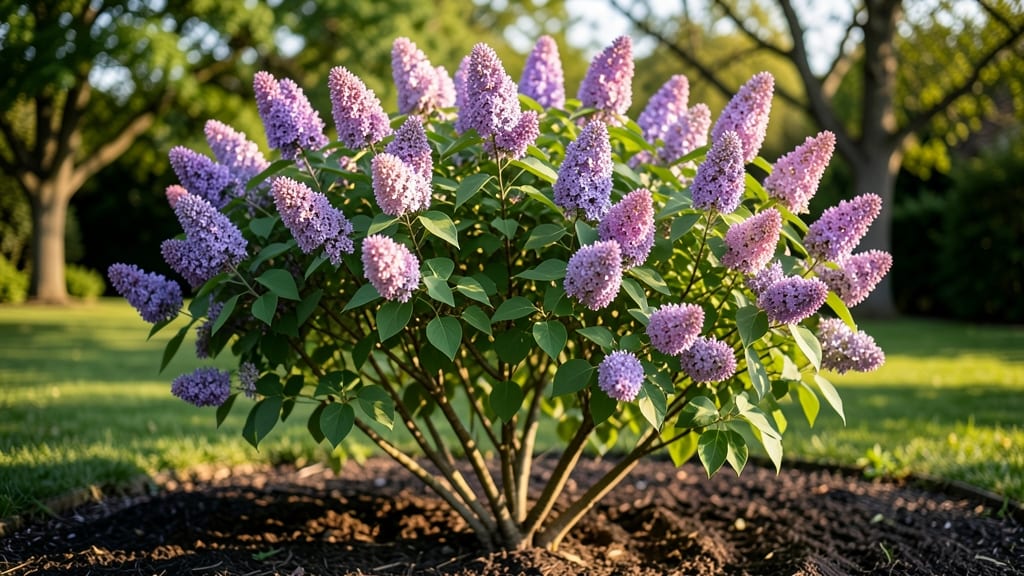
A lilac bush needs how much sun does a lilac bush need—at least 6 hours of sunlight daily 🌸—to thrive and burst into those fragrant blooms you love.
Struggling to keep your lilac bush blooming beautifully? The secret might be hiding in plain sight—sunlight exposure plays a far bigger role in lilac health than most gardeners realize.
Too little sun, and you’ll end up with sparse, weak flowers. Too much, especially in hot climates, can stress the plant and even scorch the leaves. Finding the perfect balance is the key to maximizing those show-stopping purple, pink, or white blooms every spring.
In this guide, I’ll break down exactly how much sun your lilac bush needs, how to spot signs of sunlight problems, and practical tips to position it for success—whether you’re in a sunny backyard or a shadier urban garden.

Ideal sunlight requirements for lilac bushes: finding the perfect balance
Lilac bushes (Syringa spp.) thrive when they receive the right amount of sunlight, but many gardeners struggle to strike the perfect balance.
While 6 to 8 hours of full sun is ideal for most varieties, too much or too little light can dramatically affect blooming, growth, and overall health. Understanding how sunlight impacts photosynthesis in lilacs helps you create the perfect growing conditions for vibrant, fragrant blooms every spring.
Lilacs are native to temperate regions of Europe and Asia, where they evolved to handle moderate sunlight exposure. In their natural habitats, they often grow under open woodlands or meadow edges, receiving dappled sunlight rather than harsh, direct rays.
This adaptability means they can tolerate partial shade, but their blooms will be far more abundant—and their growth stronger—when planted in full sun conditions.
Here’s the key difference: Full sun (6+ hours/day) maximizes photosynthesis, leading to larger, more fragrant blooms and denser foliage. However, in hot, dry climates, too much intense sunlight can cause leaf scorch or stress the plant.
Meanwhile, partial shade (3-6 hours/day) reduces bloom quantity and may result in leggy, weak stems. The goal is to mimic their natural light environment while optimizing for your local climate.
The photosynthesis efficiency of lilac leaves peaks when they receive morning sunlight combined with afternoon shade, especially in hot climates like the Southwest or Southeast. This balance prevents leaf scorch while still providing enough energy for robust blooming.
For example, in Phoenix or Miami, lilacs planted under partial shade from a deciduous tree (like oak or maple) thrive better than those in full, unfiltered sun.
Not all lilac varieties have the same sunlight tolerance. Dwarf lilacs (e.g., 'Little Johnny' or 'Bloomerang') adapt well to partial shade, making them ideal for urban gardens or shaded patios.
In contrast, standard varieties like 'Katherine Havemeyer' or 'President Lincoln' demand full sun to reach their full potential. Always check the specific variety’s care guidelines when selecting lilacs for your garden.
If you’re unsure about your garden’s sunlight conditions, observe the area where you plan to plant. Use a sunlight tracker app or mark the spot with a stake for a week to measure actual sun exposure.
Lilacs in containers need even more sunlight—rotate pots weekly to ensure even growth. In shady gardens, consider placing lilacs near a south-facing wall or fence to reflect additional light onto the foliage.
Over time, you’ll notice how your lilac responds to its sunlight environment. Healthy lilacs have dark green leaves, sturdy stems, and profuse blooms in spring. If you see yellowing leaves or sparse flowers, it’s a sign of insufficient light.
Conversely, brown leaf edges or wilting indicates too much harsh sunlight. Adjusting their position can make all the difference in their long-term health and beauty.
For gardeners in cooler climates (Zones 3–5), full sun is ideal year-round, as lilacs can handle intense winter sunlight without stress. However, in warmer zones (6–9), providing afternoon shade during peak summer months (June–August) can prevent heat damage while still allowing enough light for blooming.
Mulching around the base with organic matter also helps regulate soil temperature and retain moisture.
Remember, lilacs are perennials, meaning they’ll live for decades if given the right care. Investing time in finding the perfect sunlight balance now will reward you with show-stopping blooms and minimal maintenance for years to come.
Start by planting your lilac in the sunniest spot available, then monitor its growth to fine-tune its environment as needed.
Signs your lilac bush isn’t getting the right sunlight (and how to fix it)
Your lilac bush might be silently screaming for help if it’s not getting the right amount of sunlight. One year, my Syringa vulgaris produced only a handful of blooms despite my best care efforts—until I realized it was tucked behind a tall oak tree.
The lesson? Sunlight exposure directly impacts everything from flower production to stem strength. Even subtle shifts in light can trigger noticeable changes in your plant’s health.
Lilacs thrive in full sun (6+ hours daily), but too much or too little can cause problems. In my Zone 6 garden, southern exposures work perfectly, while northern spots require extra attention.
The key is watching for visual cues—your lilac will tell you exactly what it needs if you know what to look for. Let’s decode these signals so you can restore your bush to its fragrant, blooming glory.
⚠️ How Much Sun Does a Lilac Bush Need?
Lilacs require 6-8 hours of direct sunlight daily for optimal growth and blooming. Too little sun (under 4 hours) leads to sparse flowers and weak stems, while too much intense sun (especially in hot climates) can scorch leaves. Partial shade (4-6 hours) is tolerable but reduces flowering by 30-50%. Adjust based on your USDA zone—northern regions need more southern exposure, while southern climates may require afternoon shade.
First, check for leaf scorch—crispy, brown edges on leaves are a classic sign of over-exposure, especially in hot afternoons. This happened to my lilac bushes last summer when I planted them too close to a west-facing wall.
The solution? Move them to a spot with morning sun only or provide afternoon shade with a lightweight shade cloth. Even established lilacs can recover with proper care—just trim the damaged leaves and monitor progress.
On the opposite end, under-exposed lilacs show their distress through sparse blooms and elongated, weak stems reaching toward light sources. My neighbor’s lilac in a shady corner looked like a sad, leggy shadow of its potential. The fix? Prune back competing trees or relocate the bush to a sunnier spot.
If moving isn’t possible, consider a reflective surface (like white gravel) to bounce extra light onto the plant. Even 2-3 extra hours of sunlight can double your blooms next season!
Seasonal sunlight changes also play a role—spring and summer require more attention than winter. In my Zone 5 garden, lilacs get full sun from May to September, but shorter winter days mean less light.
If your bush looks stunted in early spring, it might be recovering from winter light deprivation. Boost growth by placing a grow light nearby for 4-6 hours daily until natural light increases. This simple trick helped my dwarf lilacs bounce back faster after dormancy.
Don’t forget to consider your regional climate. In hot, dry southern states, lilacs need afternoon shade to prevent heat stress, while cooler northern climates can handle full sun year-round.
My friend in Minnesota grows lilacs in full sun with no issues, but her cousin in Arizona must provide afternoon shade. The solution? Observe your local microclimate—if your lilac’s leaves look wilting by midday, it’s begging for relief from intense rays.
Ready to revive your lilac? Start by assessing its current light conditions, then adjust with these fixes: prune nearby obstructions, relocate if needed, or supplement with shade/cloth. Your fragrant blooms will thank you—just remember, lilacs are resilient, and even neglected bushes can rebound with the right care. Happy gardening! 🌸☀️✂️