
How To
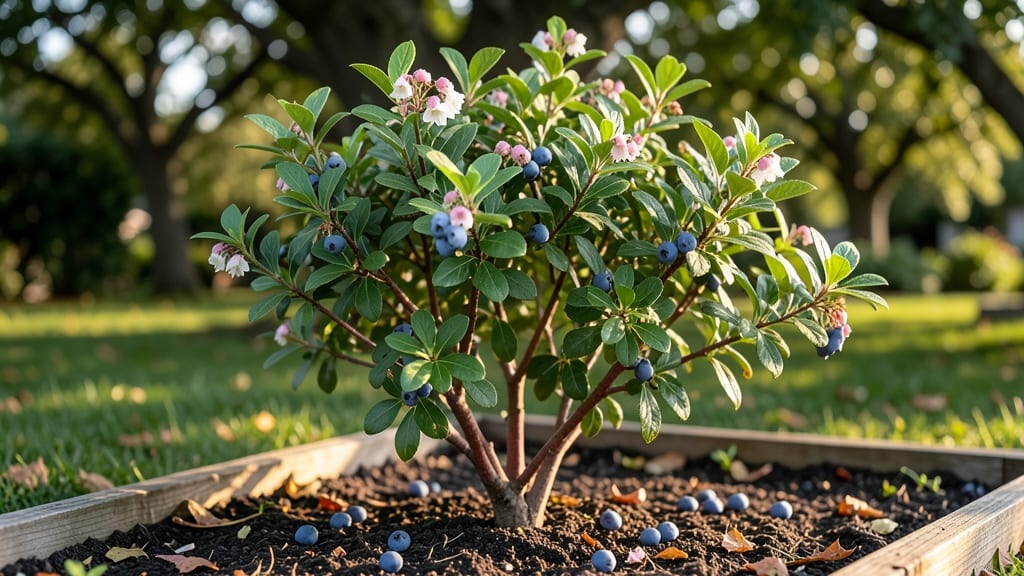
How large do blueberry bushes get? They can grow anywhere from 3 feet to over 12 feet tall, depending on the variety—so if you’re eyeing a backyard (or even a balcony) for these sweet treats, size matters more than you’d think.
Picture this: you’ve spent months nurturing your 🫐 blueberry bush, only to realize it’s sprawling into the neighbor’s yard—or worse, crowding out your prized tomatoes. The good news?
Dwarf varieties stay under 5 feet, while standard types can reach basketball-hoop height. Knowing the difference upfront saves headaches (and pruning wars) later.
In this guide, I’ll break down the height and spread of popular blueberry types, from space-saving dwarfs to sun-loving standards, plus how to keep them in check with pruning. Whether you’re working with a 6a zone garden or a container on your patio, you’ll find the perfect fit.
You’ll also discover which compact varieties thrive in small spaces, how to maximize berries without sacrificing size, and why some gardeners swear by espalier training. Let’s get growing!
Blueberry bush size breakdown: from dwarf to standard varieties
Choosing the right blueberry bush size depends entirely on your available space and gardening goals. While some varieties can tower over 8 feet tall, others remain perfectly manageable at just 3 feet.
Understanding these differences helps you select a variety that thrives in your yard, patio, or even containers. The key factors influencing size include rootstock type, pruning habits, and whether you're growing lowbush (wild-type) or highbush (cultivated) varieties.
Most gardeners focus on mature size when selecting blueberries, but growth habits matter just as much. Some varieties grow upright and compact, while others spread wider than they grow tall.
For example, a standard highbush might reach 10 feet but only spread 6 feet, while a spreading dwarf could stay under 3 feet tall but sprawl 4-5 feet wide. Knowing these distinctions helps you plan spacing and support structures from day one.
| Variety Type | Mature Height | Mature Spread | Growth Habit | Ideal Spacing |
|---|---|---|---|---|
| Dwarf Highbush | 3-5 ft | 3-4 ft | Compact, upright | 3-4 ft apart |
| Semi-Dwarf Highbush | 5-7 ft | 4-6 ft | Upright, slightly spreading | 5-6 ft apart |
| Standard Highbush | 8-12 ft | 6-8 ft | Tall, spreading | 8-10 ft apart |
| Lowbush (Wild) | 1-3 ft | 2-3 ft | Low, spreading | 2-3 ft apart |
Dwarf varieties are bred on stunted rootstock, which naturally limits their growth. For example, the popular 'Top Hat' blueberry stays under 3 feet tall and produces abundant fruit despite its small stature. These varieties are ideal for containers, raised beds, or small urban gardens where space is limited.
According to a 2022 University of Maine study, dwarf bushes yield 70-80% of standard varieties when properly cared for, making them surprisingly productive for their size.
Pruning plays a crucial role in managing blueberry bush size. Regular pruning—especially in late winter—encourages bushier growth and prevents overcrowding. If you skip pruning, even dwarf varieties can outgrow their intended space.
For standard highbush varieties, aggressive pruning can reduce their height by 20-30% over time. Always prune to an open-center shape to maximize airflow and fruit production.
Rootstock type also affects size. Most commercial dwarf blueberries are grafted onto low-chill rootstock, which keeps the top growth compact while the roots remain vigorous. This allows them to thrive in USDA Zones 5-9, even in containers.
If you're growing from bare-root plants, check the label for rootstock details—some nurseries sell "semi-dwarf" bushes that may still reach 6 feet if not pruned regularly.
For small-space gardening, consider trailing varieties like 'Peach Sorbet', which grows 2-3 feet tall but spreads 4 feet wide. These work beautifully in hanging baskets or along fences. Meanwhile, standard varieties like 'Bluecrop' need ample space and may require staking or trellising to prevent sprawling.
Always check the mature spread when selecting varieties—this often determines how much room you'll need around the bush.
One common misconception is that smaller bushes produce fewer berries. In reality, dwarf varieties often yield more per square foot because their compact size allows for tighter planting. For instance, you can fit 9 dwarf bushes in the same space as just 3 standard bushes.
Just ensure each plant gets proper sunlight and acidic soil (pH 4.5-5.5) to maximize fruit production.
If you're growing blueberries in containers, choose a pot at least 18-24 inches wide to accommodate dwarf varieties. Larger containers (up to 30 inches) work better for semi-dwarf bushes. Always use a well-draining potting mix
Top 5 space-saving blueberry varieties under 3 feet tall
If you love blueberries but lack space, you’ll be thrilled to know that some varieties stay under 3 feet tall while still producing abundant fruit. These compact bushes are perfect for containers, raised beds, or small gardens, making them ideal for urban gardeners or those with limited yard space.
The key is choosing the right cultivar—some stay as short as 2 feet while delivering high yields per square foot. Let’s explore the top 5 space-saving varieties that pack a punch in tiny footprints.
When selecting compact blueberries, consider both mature height and spread. Some varieties like 'Top Hat' grow upright, while others like 'Peach Sorbet' have a slightly wider spread but still fit in tight spaces.
All of these varieties thrive in acidic, well-draining soil with full sun exposure, but their compact sizes make them far more adaptable to containers or small garden plots. Let’s dive into the specifics of each variety to help you choose the best fit for your space.
| Variety | Mature Height | Spread | Yield Potential | Best For |
|---|---|---|---|---|
| Top Hat | 2-3 ft | 2-3 ft | High (1-2 lbs/plant) | Containers, small gardens |
| Peach Sorbet | 2-3 ft | 3-4 ft | Moderate (0.5-1 lb/plant) | Raised beds, patio gardens |
| Sunshine Blue | 2-3 ft | 2-3 ft | High (1-2 lbs/plant) | Containers, balconies |
| Pink Lemonade | 2-3 ft | 3-4 ft | Moderate (0.5-1 lb/plant) | Small gardens, urban plots |
| Jellybean | 2-3 ft | 2-3 ft | High (1-2 lbs/plant) | Containers, small spaces |
Among these varieties, 'Top Hat' and 'Sunshine Blue' stand out for their exceptional productivity in small