
Shrubs
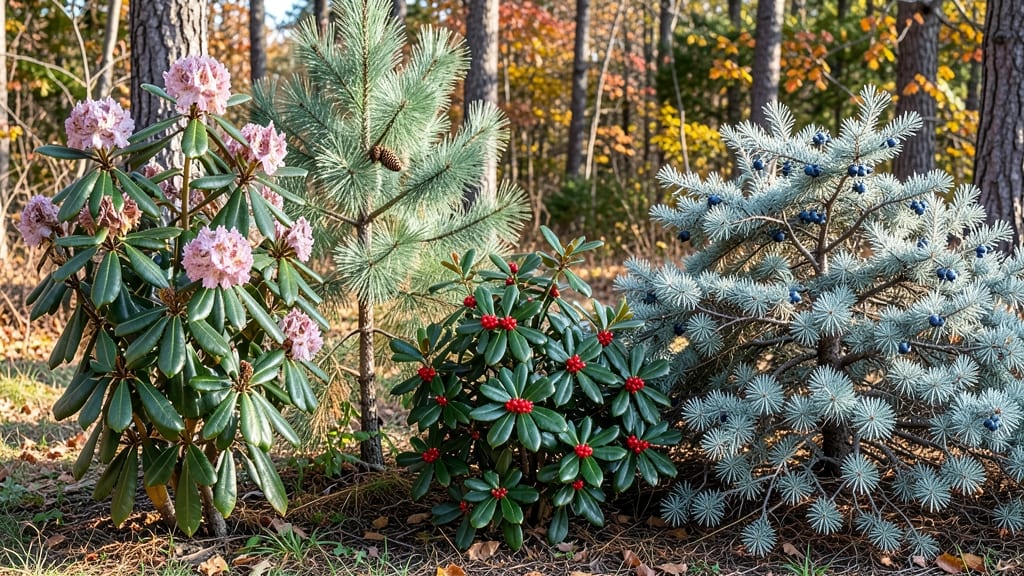
New England winters demand evergreen bushes that won’t surrender to frost. 🌲 I’ve tested the toughest varieties—boxwoods that stay green through -20°F, hollies that thrive in rocky soil, and rhododendrons that bloom even after brutal winters.
These plants aren’t just survivors; they’re the backbone of year-round privacy and structure in your landscape.
The key is choosing the right mix for your yard’s sunlight and soil. Boxwoods like ‘Winter Gem’ handle shade, while inkberry hollies tolerate wet feet. Plant them in staggered rows for natural privacy screens, or use them as bold borders to frame patios.
Their glossy foliage adds texture that’s especially welcome when deciduous plants go dormant.
With proper spacing and occasional pruning, these bushes stay lush without needing constant care. A light mulch in winter protects roots, and a spring cleanup keeps them looking sharp. You’ll end up with a garden that’s green, structured, and ready for every season—no brown patches in sight.
Works for any New England yard, from coastal breezes to inland winters. Here’s how to pick, place, and maintain them for maximum impact.
📚 In This Guide
- What you need
- Instructions
- Tips and common mistakes
- Wrapping up and next steps
What you need
- ● Evergreen bushes: Choose from Zones 3-6 hardy varieties like Holly (Ilex), Boxwood (Buxus), or Juniper (Juniperus). Buy 3-5 mature plants (1-3 ft tall) for full coverage, depending on space.
- ● Shovel or spade: Medium-sized (12-18") for digging holes.
- ● Garden gloves: Durable, waterproof to protect hands from thorns (e.g., holly) and soil.
- ● Pruning shears: Bypass type (8-10") for shaping and trimming.
- ● Mulch: 3-4 inches of pine bark or shredded leaves to retain moisture and insulate roots.
- ● Compost or slow-release fertilizer: Balanced (10-10-10) or organic (1-2 lbs per plant).
- ● Watering can or hose with nozzle: Adjustable for gentle watering (1-2 gallons per plant initially).
- ○ Stakes (optional but helpful): 4-6 ft wooden or metal stakes + twine for young, top-heavy plants.
- ● Soil test kit: Check pH (evergreens prefer acidic to neutral soil, 5.0-7.0).
- ● Root stimulator: Mycorrhizal fungi or liquid rooting hormone for faster establishment.
- ● Landscape fabric: Weed barrier under mulch (if dealing with invasive grasses).
- ● String trimmer: For neat edges along fences or property lines.
- ● Winter protection: Burlap wraps or anti-desiccant spray for newly planted bushes in harsh winters.
How to select and plant evergreen bushes for New England privacy
New England’s harsh winters and strong winds demand evergreens that thrive year-round—here’s how to choose and plant them for lasting privacy.
🌱 Step 1: Choose Cold-Hardy Evergreen Varieties
For New England’s climate, opt for evergreens rated for USDA Zones 3-5, like eastern white pine, balsam fir, or inkberry holly. These handle sub-zero temperatures and heavy snow without browning. Avoid tender varieties like boxwood, which struggle below 10°F. Check plant tags for cold-hardiness ratings—the higher the zone number, the better.
Look for dense growth habits to ensure thick privacy. Balsam fir and arborvitae grow in tight columns, while inkberry holly spreads wider. Plant at least 4-6 feet apart for mature coverage, depending on the variety. I always measure mature widths on tags—this prevents overcrowding later.
☀️ Step 2: Pick the Right Location
Evergreens need full sun to partial shade (at least 6 hours of sunlight daily). In New England, south- or west-facing spots get the most winter sun, which prevents snow damage. Avoid low-lying areas where cold air settles—frost pockets can kill roots even if the bush survives above ground.
Test drainage before planting. Dig a 12-inch hole and fill it with water. If it drains in under an hour, the spot’s safe. Poor drainage leads to root rot, especially for arborvitae. If your soil is heavy clay, amend with 2-3 inches of compost mixed into the planting hole.
🪴 Step 3: Plant at the Correct Depth and Spacing
Dig holes twice as wide as the root ball but no deeper. Loosen roots gently if pot-bound—evergreens hate compacted roots. Place the bush so the top of the root ball sits 1-2 inches above ground level. This prevents soil from piling up against the trunk, which causes stem rot in wet winters.
Backfill with native soil, tamping lightly to remove air pockets. Water deeply until soil settles. Mulch with 3 inches of pine straw or shredded bark, keeping it 6 inches away from the trunk. Mulch insulates roots in winter but don’t overdo it—too much mulch smothers stems and traps moisture.
💧 Step 4: Water and Fertilize for First-Year Establishment
Water newly planted evergreens deeply once a week for the first year, more often in dry spells. You’ll know they’re thirsty when needles feel dry and brittle to the touch. Overwatering is worse—soggy soil suffocates roots. Let the top 2-3 inches of soil dry out between waterings.
Apply a slow-release fertilizer in early spring (like 10-10-10) to encourage root growth. Skip fall fertilization—new growth flushes out before winter, leaving tender shoots vulnerable to frost. In New England, late September is the last safe time to fertilize.
✂️ Step 5: Prune and Protect for Winter
Prune in late winter or early spring (February–March) to avoid dormant-season stress. Remove only dead or crossing branches—never cut more than 25% of the foliage at once. Shape lightly to encourage dense growth. Avoid heavy pruning in fall; new growth won’t harden off before winter.
For young bushes, wrap trunks with tree guard to prevent voles and rabbits from gnawing bark. In heavy-snow areas, tie stems to stakes to avoid breakage. Evergreens shed snow naturally, but accumulation on branches can snap them. Shake off excess snow in late winter before ice forms.
Tips & tricks for perfect evergreen bushes in New England
These little details make all the difference when planting evergreens that'll stand up to New England's toughest winters.
Cold-Hardiness Check: Always verify the USDA zone rating on plant tags—even if a nursery says something's "hardy," check for Zone 3-5 specifically. I once bought arborvitae labeled "Zone 4" that browned every winter until I swapped for a true Zone 3 variety. For extra peace of mind, ask for the exact variety name and look it up in the USDA database.
Soil Prep Secret: Before planting, mix 2-3 inches of compost into the bottom of your planting hole if your soil is heavy clay. This creates a root-friendly zone right where new roots will grow. For sandy soils, add a handful of peat moss to help retain moisture during New England's dry spells. The goal is to mimic the well-draining, slightly acidic conditions evergreens love.
Winter Protection Hack: In your first winter, wrap young bushes with tree guard and add a layer of burlap around the base to block cold winds. I've seen evergreens survive -20°F winters with this simple protection, while unprotected plants get frost damage. Remove the burlap in early spring before new growth starts—it can trap too much moisture when temperatures rise.
Snow Load Solution: For areas with heavy snowfall, install stakes around each bush and loosely tie the stems to prevent them from snapping under snow weight. I learned this the hard way when a 2-foot snowfall broke several young arborvitae. Shake off excess snow in late winter (after the worst storms) to prevent ice formation that can damage branches. A few gentle shakes with a broom works wonders.
Pro Tips for Evergreen Bushes New England
- These little details make all the difference when planting evergreens that'll stand up to New England's toughest winters.
- Cold-Hardiness Check: Always verify the USDA zone rating on plant tags—even if a nursery says something's "hardy," check for Zone 3-5 specifically.
- Soil Prep Secret: Before planting, mix 2-3 inches of compost into the bottom of your planting hole if your soil is heavy clay.
Frequently asked questions
Got questions about choosing, planting, or maintaining evergreen bushes in New England’s climate? You’re not alone! Here are answers to the most common concerns—so you can create that lush, year-round privacy screen with confidence.
What are the best evergreen bushes for New England’s harsh winters?
Opt for cold-hardy varieties like Inkberry Holly (Ilex glabra), Emerald Green Arborvitae (Thuja occidentalis), or Dwarf Korean Lilac (Syringa meyeri). These thrive in zones 3–6, resist snow damage, and keep their needles year-round. Avoid tender species like Boxwood unless you’re in milder microclimates.
When is the best time to plant evergreen bushes in New England?
Plant in early spring (April–May) or early fall (September–October) for best results. This gives roots time to establish before extreme heat or cold. Avoid planting in summer—drought stress can kill young shrubs. Pro tip: Water deeply after planting and mulch to retain moisture.
Are evergreen bushes expensive to maintain?
Not necessarily! While initial costs vary ($20–$100 per shrub), evergreens are low-maintenance. Prune annually (late winter/early spring) to shape, and fertilize lightly in early spring. Pest-resistant varieties like Leyland Cypress or Portuguese Laurel reduce chemical treatments. Cost-saver: Buy bare-root shrubs in fall for better value.
How do I protect evergreen bushes from winter damage?
New England’s winter winds and salt spray can stress evergreens. Do this:
- Apply anti-desiccant spray (like Wilt-Pruf) in late fall to prevent needle burn.
- Mulch heavily (3–4 inches) with wood chips to insulate roots.
- Avoid heavy snow buildup—gently brush off branches to prevent breakage.
Variegated evergreens (like Dwarf Golden Hinoki) are extra vulnerable—plant them in sheltered spots.
Can I use evergreen bushes for hedges, or do I need something else?
Evergreens like Emerald Green Arborvitae or Green Giant Arborvitae grow tightly enough for hedges (3–6 feet tall). For faster privacy, plant Leyland Cypress (grows 3–4 feet/year!). Spacing tip: Plant 3–5 feet apart for a dense hedge. Need alternatives? Consider evergreen ground covers like Creeping Juniper for borders.
What pests should I watch for in New England evergreens?
Common culprits include:
- Spider mites (yellowing needles, webbing) – Treat with horticultural oil.
- Bagworms (sack-like pests on branches) – Handpick or use Bt spray.
- Winter moth caterpillars (defoliate in spring) – Apply neem oil early.
Inspect shrubs monthly in growing season. Prevention: Keep bushes healthy with proper watering and sunlight.
Wrapping up and next steps
Transforming your New England landscape into a lush, year-round privacy haven is easier than you think!
Evergreen bushes like boxwoods, rhododendrons, and inkberry hollies thrive in cold climates, offering color, texture, and resilience—no matter the season. 🌲❄️ With the right variety, soil prep, and care, you’ll enjoy a low-maintenance, stunning backdrop that keeps your space vibrant and secluded.
Ready to get started? Pick your favorite evergreen, grab your gardening tools, and plant with confidence—your future self (and neighbors!) will thank you. 🌟 Browse our planting guide for step-by-step tips to turn your vision into reality!