
Size
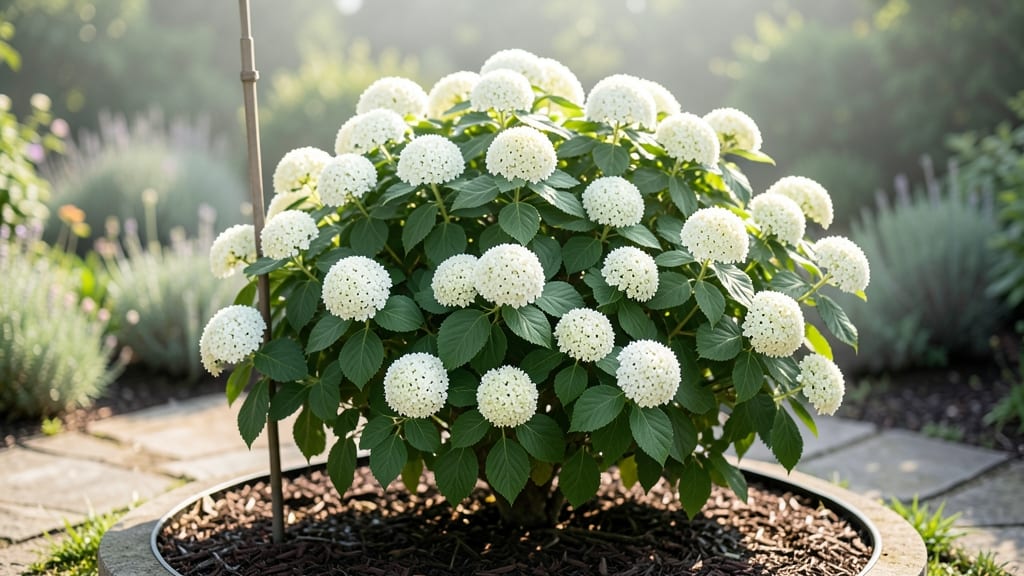
Snowball bushes grow between 6 and 12 feet tall, but their final size depends entirely on the cultivar you choose.
Picture this: one variety stays neatly at 3 feet—perfect for small gardens—while another stretches to 10 feet, making it a statement piece in larger landscapes.
The difference comes down to whether you pick a dwarf or standard type, and knowing which fits your space is the first step to happy planting.
Most snowball bushes (like the classic Viburnum opulus) reach their mature height in just 3 to 5 years, so planning ahead is key. Whether you're designing a privacy screen or a focal point, spacing these shrubs 8 to 15 feet apart ensures they thrive without crowding each other.
In this guide, I’ll break down the exact heights of popular varieties, spacing rules by type, and how pruning can keep them at your ideal size—so you can stop guessing and start designing with confidence.
Snowball bush size by variety: height and spread measurements
If you're planning to add snowball bushes (Viburnum opulus) to your landscape, knowing their mature size is essential for proper spacing and garden design. These stunning shrubs come in a range of sizes—from compact varieties perfect for small gardens to tall specimens that make bold focal points.
Let’s break down the exact dimensions for the most popular cultivars so you can choose the perfect fit for your space.
The classic 'Snowball' variety is one of the most recognizable snowball bushes, but its size can vary significantly depending on growing conditions. Most varieties reach their mature height within 3-5 years, though some may take longer.
Understanding these dimensions helps you avoid overcrowding and ensures your shrubs thrive with proper airflow and sunlight exposure.
| Variety | Mature Height (ft) | Mature Spread (ft) | Growth Rate | Best For |
|---|---|---|---|---|
| 'Snowball' | 8-12 ft | 8-12 ft | Moderate | Large gardens, hedges |
| 'Compacta' | 3-5 ft | 3-5 ft | Slow | Small gardens, containers |
| 'Roseum' | 6-10 ft | 6-10 ft | Moderate | Privacy screens, borders |
| 'Withella' | 5-8 ft | 5-8 ft | Slow-Moderate | Foundation planting |
| 'Aurora' | 4-6 ft | 4-6 ft | Slow | Small spaces, borders |
| 'Bailey Compact' | 3-4 ft | 3-4 ft | Slow | Containers, urban gardens |
| 'Crimson Snow' | 6-8 ft | 6-8 ft | Moderate | Color contrast, mixed borders |
| 'Luteum' | 8-10 ft | 8-10 ft | Moderate | Wildlife gardens, large landscapes |
| 'Pink Beauty' | 5-7 ft | 5-7 ft | Slow-Moderate | Cottage gardens, pollinator gardens |
| 'Sterile' (non-fruiting) | 6-10 ft | 6-10 ft | Moderate | Neat hedges, formal gardens |
For small gardens, varieties like 'Compacta' or 'Bailey Compact' are ideal—they stay under 5 feet tall and wide, making them perfect for containers or tight spaces.
Proper spacing and planting rules for snowball bushes
When planting snowball bushes (Viburnum opulus), proper spacing is crucial to prevent overcrowding and ensure healthy growth. These shrubs develop strong root systems, so giving them room to spread reduces competition for nutrients and sunlight.
The spacing requirements vary dramatically by variety, with some reaching 15 feet wide while others stay compact at just 3 feet.
Most snowball bushes thrive in full sun to partial shade, with at least 6 hours of direct sunlight daily. Planting in well-draining soil enriched with organic matter helps them establish strong roots.
The ideal planting depth is critical—place the root ball no deeper than it was in the nursery container to avoid suffocation.
Snowball Bush Spacing Guide
For standard varieties like 'Snowball', maintain 8-10 feet between plants to allow full growth potential. Dwarf varieties such as 'Compacta' only need 3-5 feet of space, making them perfect for small gardens or container planting.
Always measure the mature spread of your chosen variety before planting to avoid future crowding issues.
Planting in early spring or fall gives snowball bushes time to establish roots before extreme weather. Dig a hole twice as wide as the root ball but only as deep.
Backfill with native soil mixed with compost or peat moss to improve fertility. Water thoroughly after planting to eliminate air pockets and encourage root contact with the soil.
After planting, mulch around the base with 2-3 inches of organic mulch to retain moisture and suppress weeds. Avoid piling mulch against the stem, as this can cause rot. Regular watering—1-2 gallons per week—helps young plants establish roots, especially during the first growing season.
Remember that proper spacing isn't just about aesthetics—it directly impacts air circulation, reducing the risk of fungal diseases like powdery mildew. By following these guidelines, your snowball bushes will thrive for decades, providing stunning spring blooms and seasonal interest. 🌿