
Shrubs
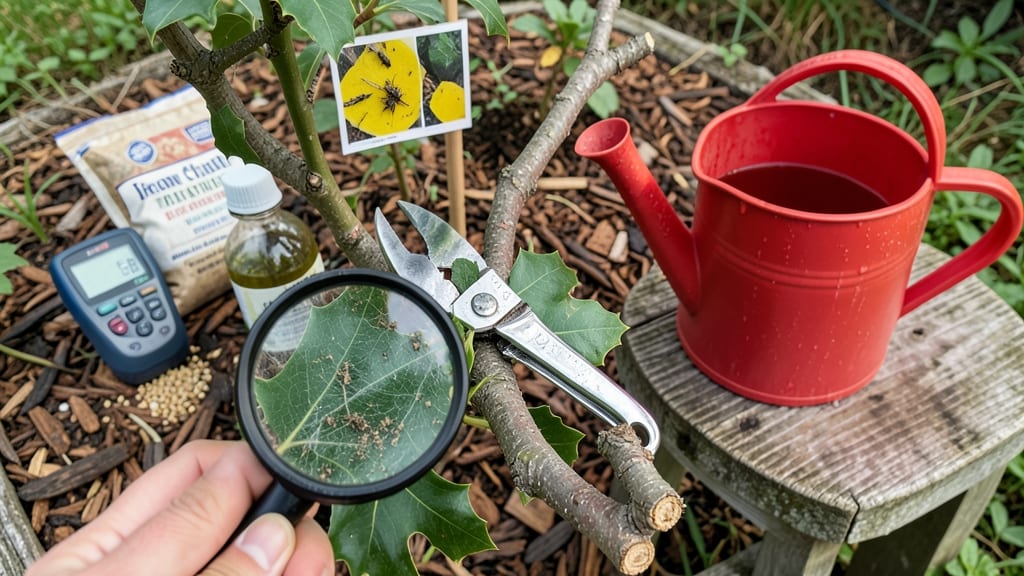
Your holly bushes are dying—and it’s usually one of three fixable problems. 🌿 I’ve nursed back more than a dozen struggling hollies, and the solutions are simpler than you’d think, from soil that’s too wet to pests hiding in plain sight.
The first clue is often in the leaves: yellowing means overwatering or poor drainage, while brown patches signal drought or fungal issues. Holly bushes also wilt when roots get crowded or they’re planted too deep—both easy to correct with proper spacing and soil adjustments.
By the time you’re done, your shrubs will bounce back with vibrant green foliage and those signature red berries. The key is acting fast—most holly bushes recover fully within 4-6 weeks once the right care kicks in.
Works for English holly, American holly, or any variety—just match the fix to the symptoms. Let’s get them thriving again.
Root causes behind holly decline
When your holly bushes start looking less than lush, it’s usually a sign that something’s gone awry beneath the surface—or even in the air around them. Holly shrubs (Ilex spp.) are tough, but they’re not invincible.
Understanding the real reasons behind their decline is the first step to bringing them back to life. Let’s break down the most common culprits, backed by science, so you can diagnose—and fix—the problem with precision.
Holly bushes thrive in USDA Hardiness Zones 5–9, but when temperatures dip too low or spike too high, their delicate systems can shut down. Here’s how it happens:
- Cold Damage:
If your holly is on the cooler end of its zone (e.g., Zone 5), sudden freezes—especially below 10°F (-12°C)—can cause cold injury. Symptoms include:
- Brown, crispy leaves (often starting at branch tips)
- Blackened stems or bark splitting
- Slow recovery in spring, even after frost lifts
Why it happens: Ice crystals form in plant cells, rupturing them. Evergreens like holly lose moisture faster in winter, making them especially vulnerable.
- Heat & Drought Stress:
In hotter zones (Zone 8+), holly bushes can wilts or scorch if temperatures exceed 95°F (35°C) for prolonged periods. Look for:
- Yellowing leaves with brown edges (like a "fried" look)
- Premature leaf drop
- Stems that feel dry or brittle when touched
Why it happens: High heat increases transpiration (water loss through leaves) faster than roots can absorb water. Without deep watering, cells dehydrate and die.
💡 Pro Tip: Mulch with 3–4 inches of organic matter (like wood chips) to insulate roots in winter and retain moisture in summer. Water deeply once a week during droughts—holly roots need 1–1.5 inches of water per week.
Holly bushes are not drought-tolerant once established—but they also hate soggy feet. Watering mistakes are a top reason for decline, and the symptoms can look eerily similar to other problems.
| Issue | Symptoms | Scientific Cause |
|---|---|---|
| Underwatering |
|
Roots shrink and lose turgor pressure (the "plumpness" that keeps cells hydrated). Without water, photosynthesis grinds to a halt, and leaves turn brown as chlorophyll breaks down. |
| Overwatering |
|
Excess water displaces oxygen in the soil, leading to root asphyxiation. Anaerobic conditions trigger ethylene gas production, which signals the plant to abscise (drop) leaves. Over time, roots rot from Phytophthora or Pythium fungi. |
🎯 Fix It: Check soil moisture 1 inch below the surface—if it’s dry, water; if it’s soggy, hold off. Holly prefers well-draining soil with a pH of 5.0–6.0. Amend clay soil with compost or sand to improve aeration.
Holly bushes are susceptible to pathogens that thrive in moist, stressful conditions. If your shrub is looking sickly but not necessarily dead, fungi or bacteria might be the culprits.
- Root Rot (Phytophthora, Pythium)
Symptoms: Wilting despite wet soil, blackened roots, stunted growth.
Why it happens: Waterlogged soil creates the perfect breeding ground for these water-mold fungi. They block nutrient uptake and clog root tissues, cutting off the plant’s lifeline.
- Leaf Spot (Septoria, Cercospora)
Symptoms: Dark, circular spots with yellow halos; leaves may drop prematurely.
Why it happens: Fungal spores spread in humid conditions (like morning dew or overhead watering). The fungus feeds on leaf tissue, disrupting photosynthesis and weakening the plant.
- Bacterial Leaf Scorch (Xylella fastidiosa)
Symptoms: Scorched leaf edges, wilting in late summer, vascular discoloration (brown streaks in stems when cut open).
Why it happens: Bacteria clog the xylem (water-transporting vessels), causing hydraulic failure. Once infected, there’s no cure—only removal.
🔥 Prevention: Avoid overhead watering (use drip irrigation), space plants for airflow, and sterilize pruners with rubbing alcohol between cuts. For fungal issues, apply copper fungicide in early spring.
Some pests suck the life out of holly bushes without you even noticing—until it’s too late. Here’s what to watch for:
- Holly Leaf Miner (Phytomyza ilicicola)
Symptoms: Serpentine blotches on leaves (larvae feeding inside), premature leaf drop.
Why it happens: Adult flies lay eggs on leaves; larvae burrow into leaf tissue, disrupting chlorophyll production and causing cell death.
- Scale Insects
Symptoms: Sticky residue ("honeydew") on leaves, black sooty mold growth, yellow
Revive Your Holly Shrubs Fast
Now that you’ve pinpointed the issue, it’s time to roll up your sleeves and bring your holly bushes back to life! 🌿💪 Each problem requires a targeted approach, so let’s tackle them one by one with clear, actionable steps.
Whether it’s a thirsty root system, a fungal feast, or winter’s harsh touch, these fixes will get your shrubs thriving again—plus, we’ll share pro tips to keep them healthy long-term.
Holly bushes hate soggy feet. If your soil is waterlogged or compacted, roots suffocate and rot, leading to yellowing leaves and wilting.
Step-by-Step Fix:
- 🔪 Dig Out the Problem Gently loosen the soil around the base of the bush (6–12 inches deep) to inspect roots. Snip off any mushy, black, or foul-smelling roots with sterilized pruners—these are rotten and need to go.
- 🌱 Improve Drainage Mix coarse sand or perlite into the soil (about 20% of the amended area) to break up clay or heavy soil. For container holly bushes, ensure pots have drainage holes and use a well-draining potting mix.
- 💧 Adjust Watering Habits - Water deeply but infrequently: Aim for 1–1.5 inches per week (including rain).
Let the top 2–3 inches of soil dry out between waterings. - Avoid overhead watering: Use a soaker hose or drip irrigation to deliver water at the base. - Mulch properly: Apply 2–3 inches of mulch (like pine bark or shredded leaves) around the base, but keep it 6 inches away from the trunk to prevent rot.
- 🌡️ Fungicide Boost (If Needed) If rot is severe, spray the soil with a copper-based fungicide or hydrogen peroxide (3%) to kill fungal spores. Reapply every 2–3 weeks until new growth appears.
💡 Pro Tip: If your yard has poor drainage overall, consider raising beds or installing French drains to redirect excess water away from holly bushes.
Powdery mildew, leaf spot, or root rot can turn your holly’s leaves into a fungal buffet. The good news? Fungi respond well to prevention and quick action.
Step-by-Step Fix:
- 🍂 Prune the Damage Remove all infected leaves and stems (even if they’re only slightly spotted). Dispose of them in the trash (not compost)—fungi spread easily!
- 🧼 Clean Up the Area Sweep away fallen leaves and debris under the bush. Fungi love hiding in old plant matter.
- 🛡️ Apply Fungicide - For powdery mildew or leaf spot: Spray with a neem oil solution (1 tsp neem oil + 1 tsp mild soap per quart of water) or a baking soda mix (1 tbsp baking soda + 1 tsp soap + 1 gallon water).
Reapply every 7–10 days. - For root rot: Use a systemic fungicide like Mycorrhizal fungi or Benomyl (follow label instructions).
- 🌿 Improve Airflow Thin out crowded branches to let sunlight and air circulate. Space holly bushes 3–6 feet apart to prevent future outbreaks.
- 🌡️ Prevent Recurrence
- Water in the morning so foliage dries quickly.
- Avoid overhead sprinklers—they spread fungal spores.
- Plant resistant varieties like ‘Sky Pencil’ holly if fungi are a recurring issue.
✨ Bonus: For organic control, companion plant with garlic or chives—their scent deters fungi!
Cold snaps, salt spray (if near roads), or drying winds can crisp up holly leaves, leaving them brown and brittle. Don’t panic—many bushes bounce back with a little TLC.
Step-by-Step Fix:
- 🌿 Trim the Dead Cut back all brown, crispy leaves and stems in early spring (March or April). This encourages fresh growth and prevents pests from hiding in dead foliage.
- 💧 Hydrate Deeply Winter-damaged roots struggle to absorb water. Give your holly a deep soak once the soil thaws, then water weekly until new growth appears.
- 🌱 Fertilize Gently Apply a balanced, slow-release fertilizer (10-10-10 or 20-20-20) in early spring. Avoid high-nitrogen fertilizers—they can stress recovering plants.
- 🛡️ Protect Next Winter
- Mulch heavily (4–6 inches of straw or wood chips) to insulate roots.
- Wrap young bushes in burlap if your winters are brutal (below 10°F).
- Avoid salty soils: If your holly is near a road, rinse the soil with water in early spring to remove salt buildup.
💡 Pro Tip: If your holly loses all its leaves, it might still be alive! Check for green buds at the stem tips—if they’re there, the bush is just dormant and will regrow.
Once you’ve revived your holly, lock in its health with these year-round habits:
| Task | When to Do It | How to Do It |
|---|---|---|
| Watering | Spring–Fall | 1–1.5 inches per week; deep and infrequent |
| Fertilizing | Early spring & mid-summer | Slow-release granular or organic fertilizer |
| Pruning | Late winter/early spring | Remove dead wood; shape in summer if needed |
| Pest Control | Spring & fall | Inspect for spider mites, scale; spray with horticultural oil if needed |
| Soil Check | Every spring | Test pH (ideal: 5.0–6.0); amend if acidic |
🎯 Final Thought: Holly bushes are tough once they’re established—most issues are fixable with proactive care. Keep an eye on your shrubs, and they’ll reward you with glossy leaves and vibrant berries for years!
Frequently asked questions
Why are my holly leaves turning yellow?
Yellowing holly leaves usually signal overwatering or poor drainage. When soil stays soggy, roots suffocate from lack of oxygen, causing chlorosis (yellowing). Check soil moisture—if the top 2 inches are damp, hold off on watering. Holly prefers well-draining soil with a pH of 5.0–6.0. Amend clay soil with compost or sand to improve aeration.
Can I save a holly bush with brown, crispy leaves?
Yes! Brown, crispy leaves often mean drought stress or cold damage. Prune back all dead foliage in early spring, then water deeply once a week until new growth appears. For winter damage, apply 4–6 inches of mulch around the base to insulate roots. If buds are still green at the stem tips, the bush will regrow.
How do I know if my holly has root rot?
Root rot shows as wilting despite wet soil, blackened or mushy roots, and stunted growth. Gently dig around the base—healthy roots are firm and white, while rotten roots smell foul and crumble. If confirmed, trim away infected roots, improve drainage, and treat with a copper-based fungicide to kill spores.
Will my holly recover if I prune too much?
Holly bushes are resilient but avoid over-pruning—never remove more than 25% of the foliage at once. Prune in late winter/early spring to encourage new growth. If you’ve already pruned too aggressively, focus on watering deeply and fertilizing lightly (10-10-10) to support recovery. Healthy holly can regrow from dormant buds on stems.
Are there holly varieties that resist pests/diseases?
Yes! ‘Sky Pencil’ holly is a narrow, disease-resistant variety, while ‘Dwarf Burford’ tolerates poor soil better than others. For fungal resistance, choose ‘Blue Prince’ or ‘Nellie R. Stevens’. Always plant in full sun to partial shade and ensure 3–6 feet of spacing between bushes to improve airflow and reduce pest risks.