
Pests
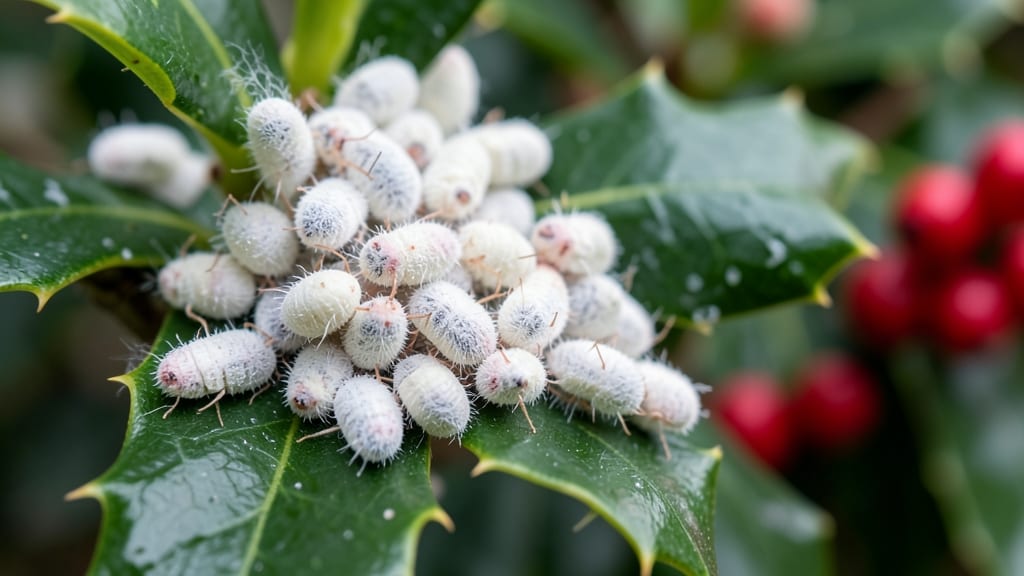
Mealybugs on holly bushes turn those glossy leaves into sticky, white-crusted messes—fast. 🌿 I’ve watched my prized holly bushes go from lush and vibrant to sad and sluggish in just a few weeks, all because of these tiny pests. The good news?
You can fight back without harsh chemicals and restore your holly’s natural shine in no time. These pests thrive in dry, sheltered spots, so they love holly’s dense foliage. You’ll spot them as cottony white clusters on stems, undersides of leaves, or even along the berries.
The damage isn’t just cosmetic—mealybugs drain the plant’s energy, leaving leaves yellowing and growth stunted. But with the right approach, you can kick them out for good.
The secret is a layered defense: start by wiping down leaves with soapy water, then introduce beneficial insects like ladybugs, and finish with a natural oil spray.
Within a few weeks, your holly will bounce back with fresh, healthy growth—and those berries will stay bright and intact for the birds (and your holiday decor). This method works for holly bushes of all sizes, from dwarf varieties to towering hedges.
The key is consistency—check your plants weekly during warm months, and you’ll keep these pests from ever taking over again.
Root Causes of Mealybug Infestations
Mealybugs don’t just randomly appear on your holly bushes—they’re drawn to specific conditions that make your plants a perfect buffet. Understanding why these sap-sucking pests target holly bushes is half the battle in stopping them.
Below, we break down the key factors that turn your glossy-leaved holly into a mealybug magnet.
Mealybugs are opportunistic pests, and stressed or weakened holly bushes emit chemical signals (called volatile organic compounds, or VOCs) that attract them. When your holly is under duress, it becomes an easy target.
- Drought stress: Holly bushes thrive in consistently moist but well-drained soil. When soil dries out, roots struggle to absorb water, and the plant’s defenses weaken. Mealybugs detect this stress and move in to exploit the plant’s vulnerability.
- Nutrient deficiencies: A lack of essential nutrients (like nitrogen, phosphorus, or potassium) stunts growth and reduces the plant’s ability to produce protective resins. Yellowing leaves or stunted new growth are red flags that your holly is nutrient-deprived—and mealybugs will notice.
- Poor air circulation: Dense foliage or overcrowded holly bushes trap humidity, creating a microclimate that mealybugs love. Stagnant air also prevents beneficial predators (like ladybugs or parasitic wasps) from patrolling your plant.
Actionable fix: Keep soil evenly moist (but not soggy), mulch to retain moisture, and prune for airflow. A balanced organic fertilizer (like compost tea or fish emulsion) can also boost your holly’s resilience.
Mealybugs are sap-sucking insects, and holly bushes produce a sweet, nutrient-rich sap that’s like a five-star restaurant to them. The stickier the sap, the more appealing it becomes to these pests.
- High sugar content: Holly bushes naturally produce sap with high sugar levels, especially when growing vigorously. Mealybugs insert their stylets (mouthparts) into the plant to extract this sugary liquid, leaving behind a honeydew residue that further attracts ants and fungi.
- New growth attraction: Young, tender leaves and stems have thinner cell walls, making them easier for mealybugs to penetrate. If your holly is producing lots of new growth (due to pruning or fertilizing), it becomes a prime mealybug hotspot.
- Honeydew feedback loop: As mealybugs feed, they excrete honeydew, a sticky substance that ferments into a sugary film on leaves. This not only attracts more mealybugs but also promotes sooty mold, a black fungal growth that further stresses the plant.
Actionable fix: Reduce excessive fertilizing (especially high-nitrogen formulas) to limit rapid growth. If you notice honeydew, wipe leaves with a damp cloth to disrupt the cycle, and encourage natural predators like ladybugs or lacewings.
Mealybugs hitchhike on plants, tools, and even clothing, making them one of the most human-transported pests in gardens. Unintentional actions can introduce them to your holly bushes.
- Infested plant transfers: Bringing home a new holly bush, ornamental plant, or even a gift plant from a nursery or friend’s garden can introduce mealybugs. These pests often hide in leaf axils, undersides of leaves, or stems, making them hard to spot until it’s too late.
- Poor garden hygiene: Leaving fallen leaves, pruning debris, or mulch near your holly creates hiding spots for mealybugs. These pests thrive in dark, sheltered areas and can survive for months in organic matter.
- Tool contamination: Pruners, shears, and even gloves can transfer mealybugs from one plant to another. If you’ve worked on an infested plant and then move to your holly without cleaning your tools, you’re basically giving mealybugs a free ride.
Actionable fix: Always inspect new plants under leaves and stems before bringing them home. Disinfect tools with rubbing alcohol between uses, and remove debris from around your holly regularly. Quarantine new plants for 2-4 weeks to monitor for pests.
Mealybugs love warmth, humidity, and shelter. If your holly bush’s environment mimics a tropical greenhouse, you’ve created the perfect mealybug paradise.
- High humidity: Mealybugs thrive in 60-80% humidity. If your holly is planted in a shady, damp area or under a dense canopy, moisture lingers, creating ideal conditions for these pests.
- Poor sunlight exposure: While holly bushes tolerate shade, low-light conditions slow growth and weaken the plant’s natural defenses. Sluggish holly = easier mealybug access.
- Sheltered growing spots: Mealybugs hide in crevices, under bark, or in dense foliage. If your holly has thick, tangled branches or is planted near walls/fences, it provides protected nooks for infestations to take hold.
Actionable fix: Ensure your holly gets 4-6 hours of sunlight daily to boost its vigor. Thin out dense branches to improve airflow, and avoid overwatering. If humidity is an issue, prune for sunlight exposure or use a fan to circulate air.
Quick Fixes for Mealybug Menaces
Mealybugs may seem like a stubborn foe, but with the right approach, you can reclaim your holly bushes—without resorting to harsh chemicals. Below are targeted solutions based on the root cause of your infestation, from early-stage prevention to heavy-duty rescue missions.
Each method is designed to be effective, organic, and easy to execute, even for gardening beginners.
Cause: Small clusters, sticky residue (honeydew), or early signs of wilting leaves. Fix: Act fast with these low-effort, high-impact tactics.
🍳 Manual Removal (Best for Small Clusters)
- Gear up: Grab a pair of tweezers or a soft-bristled toothbrush (yes, really!).
- Dip & scrub: Lightly dampen the tool with soapy water (1 tsp mild soap per quart of water).
- Attack the bugs: Gently pry off mealybugs from leaves and stems. Don’t rush—focus on every visible cottony lump.
- Dispose properly: Drop them into soapy water (not the trash—they’ll crawl out!).
✨ Pro Tip: Do this early in the morning when bugs are sluggish and least likely to scatter.
🌿 Neem Oil Spray (Natural Deterrent)
Neem oil disrupts mealybugs’ life cycle while being safe for plants (and pets). Recipe:
- 1 tbsp neem oil
- 1 tsp mild liquid soap (as an emulsifier)
- 1 quart water
- Optional: 1 tsp honey or sugar (to attract beneficial insects later)
How to apply:
- Shake well before spraying (neem oil separates).
- Coat undersides of leaves (mealybugs love hiding there!).
- Reapply every 7–10 days until no new bugs appear.
💡 Why it works: Neem oil smothers eggs and adults, plus it has a bitter taste that repels future invaders.
Cause: Widespread sticky leaves, yellowing foliage, or ants (which love mealybug honeydew). Fix: Combine multiple methods for a knockout punch.
🥘 DIY Soap Spray (Fast-Kill Solution)
Why it’s brutal (but effective): Soap dissolves their waxy coating, dehydrating them instantly. Recipe:
- 1 tbsp castile soap or insecticidal soap
- 1 quart water
- 1 tsp rubbing alcohol (helps it cling to leaves)
Application:
- Spray thoroughly (top and bottom of leaves).
- Wait 2–3 hours, then rinse with water to avoid leaf burn.
- Repeat every 5–7 days for 2–3 weeks.
⚠️ Warning: Test on a small leaf first—some holly varieties are sensitive to soap.
🔪 Introduce Beneficial Insects (Long-Term Defense)
Ladybugs, lacewings, and parasitic wasps (like Aphytis melinus) devour mealybugs like all-you-can-eat buffets. How to attract them:
- Plant companion flowers: Marigolds, dill, or fennel near your holly.
- Avoid pesticides (even organic ones can harm these helpers).
- Buy them online: Websites like Gardeners.com sell ladybug larvae or lacewing eggs.
🎯 Best for: Prevention + ongoing control—once established, these insects will patrol your garden for you.
Cause: Severe damage, ants present, or repeated failures with other methods. Fix: Combine chemical-free heavy hitters for a last-ditch effort.
🍎 Horticultural Oil (Smother & Suffocate)
Works like neem oil but sticks longer—great for hidden eggs. How to use:
- Apply in cool weather (below 85°F) to avoid leaf burn.
- Reapply every 5–7 days for 3–4 weeks.
- Best brands: JMS Stylet Oil or Safer Brand 3-in-1 Oil.
🚫 Cut & Burn (Nuclear Option)
If 50%+ of the bush is infested: 1. Prune heavily: Cut off severely damaged branches (sterilize shears with rubbing alcohol).
- Bag & trash: Do NOT compost—mealybugs will survive.
- Treat remaining plant with soap spray or neem oil.
- Monitor closely—new growth is vulnerable!
Once you’ve won the battle, lock in victory with these maintenance habits:
| Prevention Tip | How to Do It |
|---|---|
| 🌱 Healthy Soil | Amend soil with compost—stressed plants attract pests. |
| 💦 Water Wisely | Water at the base, not leaves (mealybugs love damp foliage). |
| 🕵️♂️ Regular Inspections | Check undersides of leaves every 2 weeks (early detection = easy fixes). |
| 🌿 Mulch Properly | Use wood chips or straw—keeps soil moist but reduces ant highways. |
| 🚫 Ant Barriers | Ants farm mealybugs—spray diatomaceous earth around the base to block them. |
| Infestation Level | Best Solution | Frequency |
|---|---|---|
| Early (few bugs) | Manual removal + neem oil | Daily (removal), weekly (oil) |
| Moderate | Soap spray + beneficial insects | Every 5–7 days |
| Severe | Horticultural oil + pruning | Every 5–7 days for 3 weeks |
| Prevention | Inspections + ant control + healthy soil | Monthly |
Frequently asked questions about mealybugs on holly bushes
How do I know if my holly bush has mealybugs?
Look for white, cottony clusters on stems, leaf undersides, or berries. You might also spot sticky residue (honeydew) on leaves or ants crawling up the plant—mealybugs attract them. Check new growth areas first, as they love tender spots.
Can I use vinegar to kill mealybugs on holly bushes?
Not directly—vinegar can burn holly leaves when sprayed. Instead, mix 1 part white vinegar with 3 parts water and use it to wipe down infested areas with a cloth. For spraying, opt for neem oil or insecticidal soap instead.
Will mealybugs kill my holly bush?
While they won’t kill a healthy holly bush, severe infestations can weaken growth, cause yellowing leaves, and attract sooty mold. The real danger is stress from honeydew buildup—act fast with manual removal or neem oil to prevent long-term damage.
How often should I check my holly for mealybugs?
Inspect your holly every 2 weeks during growing season (spring-fall). Focus on leaf undersides, stems, and berries. In winter, check monthly—mealybugs hide in protected spots. Early detection makes treatment much easier!
Are there any chemical-free ways to prevent mealybugs?
Yes! Encourage natural predators like ladybugs by planting marigolds or dill nearby. Keep your holly healthy with balanced fertilizer and prune for airflow. Diatomaceous earth around the base also blocks ants that "farm" mealybugs.